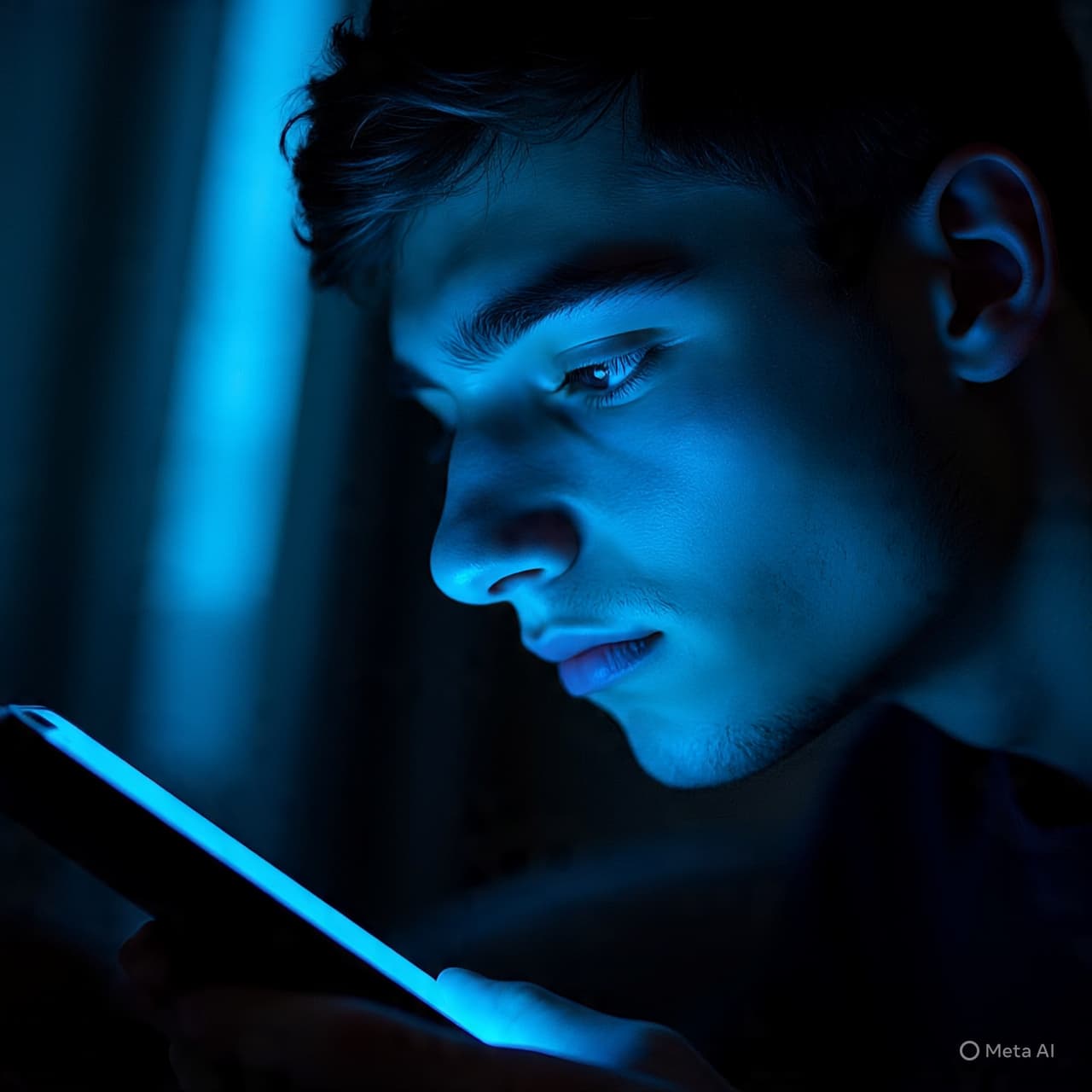
In the quiet glow of a phone screen, long after the day has settled, a different kind of mirror begins to form. It is not made of glass, but of images, comparisons, and small, repeated suggestions—faces aligned, angles adjusted, measurements noted with a precision that feels almost clinical. For many young men moving through digital spaces, this mirror does not simply reflect. It evaluates.
What has come to be known as “looksmaxxing” unfolds within these spaces, a loosely defined online trend that encourages men to optimize their physical appearance in pursuit of confidence, attraction, and self-worth. At first glance, its language echoes familiar ideas—self-improvement, discipline, care. Advice circulates on grooming, fitness, posture, even lighting and photography. In isolation, much of it appears ordinary, even constructive.
But the tone shifts as one looks closer.
Across platforms like TikTok and Reddit, communities have formed where appearance is broken down into scores, ratios, and perceived hierarchies. Jawlines are measured, eye spacing analyzed, skin assessed against increasingly narrow standards. Terms emerge that carry their own internal logic—“maxing” not just effort, but identity itself. Within these conversations, self-worth can become tethered to an evolving checklist, one that is rarely complete.
Experts in youth psychology and digital culture have begun to express concern not with the idea of self-care, but with the framework that surrounds it. The emphasis on constant comparison, they note, can create a quiet but persistent pressure—one that shifts focus from well-being to evaluation. In some cases, this pressure is accompanied by a language of deficiency, where perceived imperfections are framed not as variation, but as failure.
The result, according to emerging observations, is a dynamic that can foster both shame and secrecy. Young men may engage deeply with these communities while remaining outwardly silent, carrying internalized standards that are difficult to articulate in everyday life. Unlike more visible trends, looksmaxxing often operates in private—within saved posts, bookmarked forums, and late-night searches.
There are also intersections with more insular online subcultures, where discussions about appearance blend with broader narratives about status, belonging, and rejection. While not inherent to the trend itself, these overlaps can deepen its impact, reinforcing cycles of comparison that extend beyond the physical into the social and emotional.
At the same time, the appeal remains understandable. In a world where images circulate constantly and visibility feels tied to value, the promise of control—of being able to refine, improve, and optimize—holds a certain gravity. It offers a sense of direction, a framework for action, even if that framework becomes increasingly demanding.
Health professionals emphasize that appearance-based self-improvement, when balanced, is not inherently harmful. Grooming, exercise, and personal style can all contribute positively to confidence. The concern lies in the narrowing of perspective, where one dimension of identity begins to overshadow others, and where improvement becomes less about care and more about correction.
There is, too, a broader cultural context. Conversations around body image have long focused on women, but recent years have seen a growing recognition that young men navigate similar pressures, often with fewer established avenues for discussion. Trends like looksmaxxing bring that reality into sharper focus, even as they complicate it.
For now, the phenomenon continues to expand, shaped by algorithms, peer influence, and the quiet persistence of self-scrutiny. It does not announce itself loudly; it accumulates, post by post, thought by thought, forming a landscape that is at once communal and deeply personal.
And so the digital mirror remains—flickering, responsive, endlessly adjustable. The question it leaves behind is not simply how one looks into it, but how long one stays, and what begins to fade from view in the process.
Published by Banx Network. This article is part of the Banx decentralized media programme, powered by the BXE token on the XRP Ledger.