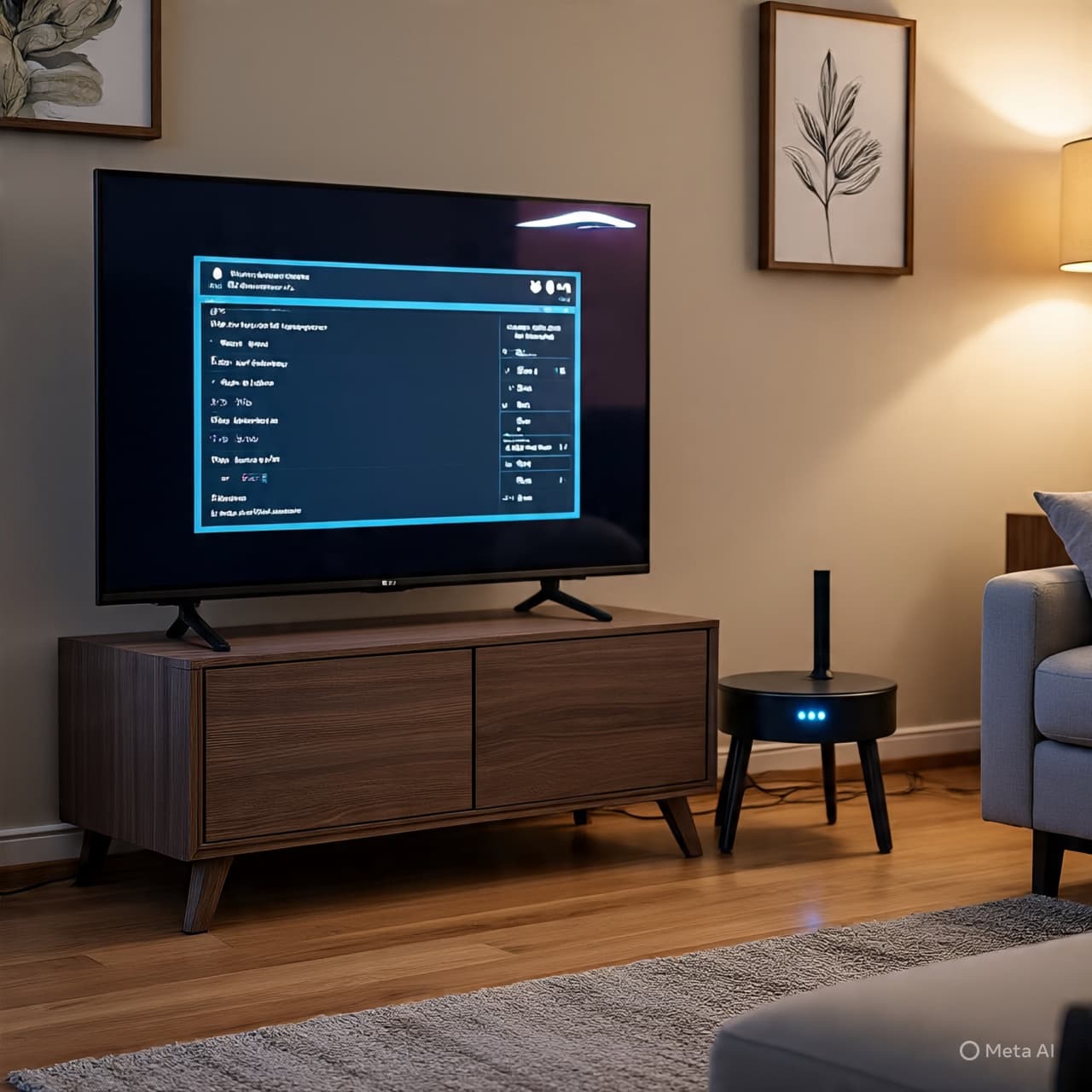
Evening settles gently in the living room, and the television wakes before anyone speaks. Its light reaches the walls first, then the furniture, then the quiet faces gathered in its orbit. For generations, the TV was a one-way window — stories came through, and nothing traveled back. Now, in the age of smart screens and connected homes, the glass sometimes listens as well as shines, and the room holds more than moving images.
Modern smart televisions, including many models produced by Samsung Electronics, are built less like passive receivers and more like small networked computers. They recommend, measure, suggest, and learn. To do this, they often collect usage data: what is watched, how long it plays, which apps are opened, which buttons are pressed. Voice features, when enabled, may process spoken commands. Automatic content recognition systems can sample what appears on screen to refine advertising and recommendations. All of this usually sits inside long privacy policies, agreed to in a moment with a quick click of “accept.”
The practice is neither hidden nor unusual across the smart device landscape, yet it often remains unnoticed. Televisions now join phones and laptops in the quiet economy of behavioral data — patterns turned into personalization, personalization turned into value. The exchange is framed as convenience: better suggestions, smoother interfaces, faster discovery of something worth watching on a slow night. Still, for some households, the idea that a television participates in measurement rather than simple display invites a pause.
Privacy researchers and consumer advocates have for several years pointed out that many smart TV platforms include data collection features that can be limited or disabled through settings menus. On Samsung sets, these controls are typically found under privacy, terms, or viewing information services sections. Options often include turning off interest-based advertising, disabling viewing data services, limiting voice data processing, and withdrawing consent from certain recommendation engines. Menu names vary by model year and software version, but the pathway is usually present for those who go looking.
There is something almost symbolic in the act of opening these menus. It feels like stepping backstage at a theater — cables instead of curtains, toggles instead of scripts. One discovers that convenience is adjustable, that intelligence can be softened, that the flow of information is not only inward but negotiable. The television still plays films and games and late-night news, but with fewer notes taken behind the scenes.
None of this requires abandoning smart features entirely. Streaming apps, game consoles, and broadcast channels continue to function when many data-sharing options are reduced. The experience may grow slightly less tailored, a bit more general, like a bookstore without a clerk’s whispered recommendations. For some viewers, that trade feels comfortable — a small return to anonymity in a room already meant for rest.
According to long-standing coverage from technology and consumer media outlets, smart TV data collection practices have been widely documented, and major manufacturers provide built-in controls to manage or disable many of these features. Users who prefer greater privacy can adjust settings directly on their devices without additional hardware.
AI Image Disclaimer Visuals are AI-generated and serve as conceptual representations.
Sources (Media Names Only) Consumer Reports Wired The Verge CNET TechRadar
Published by Banx Network. This article is part of the Banx decentralized media programme, powered by the BXE token on the XRP Ledger.