
Key Highlights
- Iran is adapting drone tactics from the Ukraine conflict.
- Military analysts note a shift in Iranian military operations.
- Drones are reshaping the dynamics of conflict in the Persian Gulf.
In the early hours before sunrise over the Persian Gulf, the water lies still, reflecting the clouds that drift lazily across the sky. Fishing boats sway gently at their moorings, and the horizon hints at the awakening of a new day. This tranquil scene belies the underlying tensions and conflicts that shape the region, where military strategies and technologies evolve rapidly, influenced by lessons learned from recent wars.
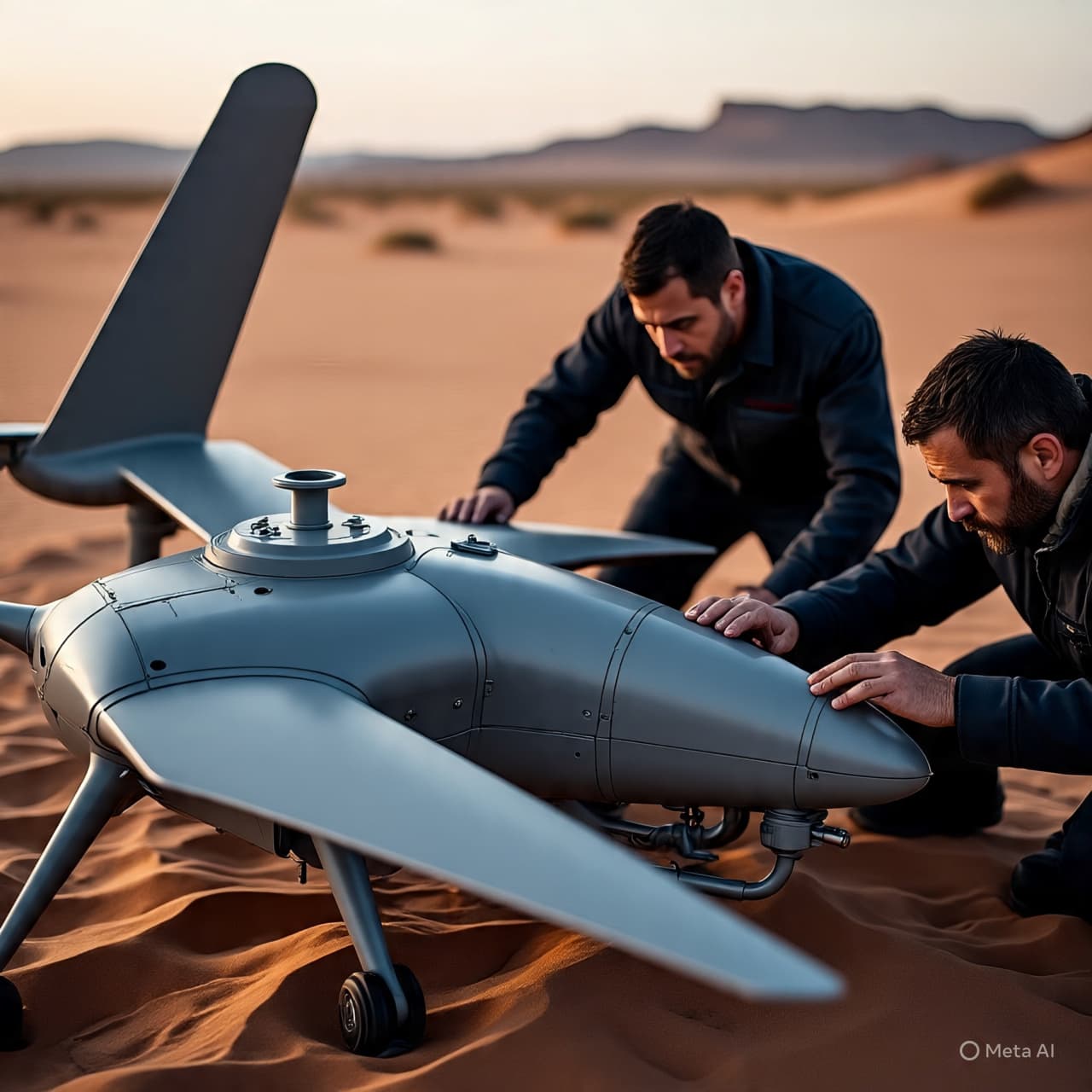
Recent developments have highlighted a significant shift in military tactics in the Middle East, particularly involving Iran. Analysts have observed that Tehran is increasingly applying lessons from Russia's extensive use of drones in the ongoing conflict in Ukraine. This adaptation marks a notable evolution in Iranian military operations, as the country integrates drone warfare into its strategies against American forces and regional partners.
The Russo-Ukrainian conflict has demonstrated the effectiveness of inexpensive attack drones, such as the Shahed series, which have overwhelmed defenses through sheer numbers and saturation tactics. Russian forces have utilized these low-cost platforms extensively, prompting Ukraine and its allies to develop countermeasures and adapt their air defenses. This body of experience is now influencing Iranian military doctrine, as Tehran's proxies and allied units begin to deploy similar systems against various targets in the Gulf region.
The transfer of tactics from one conflict to another is not merely a case of imitation; it represents a complex process of adaptation. Reports indicate that Iranian forces are now utilizing advanced first-person-view drones equipped with fiber-optic guidance systems that are resistant to conventional jamming. This technological refinement is a direct result of battlefield experience and cross-border cooperation, sometimes involving the very actors who pioneered these innovations.
For American service members stationed in the region, the presence of these drones has transformed from a theoretical concern into a tangible threat. They have tested existing air defense systems, necessitated changes in patrol patterns, and influenced tactical decisions that impact both military operations and the lives of soldiers. This evolution serves as a reminder that the nature of conflict is fluid; technologies and tactics do not remain confined to a single front but spread like seeds, ready to take root wherever conditions permit.
In towns and cities along the vital trade routes near the Strait of Hormuz, the presence of drones has become a part of daily life, blending anxiety with curiosity. Young soldiers are adjusting their tactics to account for the new aerial threats, while others remain vigilant, aware that the drones overhead may be descendants of those first seen in Ukraine.
As the sun rises over the Gulf, casting a warm glow on the water, life continues amidst the backdrop of conflict. Fishermen cast their nets, markets open, and children greet the day with laughter. While the lessons of war and the shadow of drones loom large, they do not define the entirety of life in this region. The morning unfolds with a quiet grace, a testament to the resilience of the people who inhabit these shores.
As discussions unfold in distant capitals and analysts trace the paths of drones from Europe to the Middle East, the Gulf's morning light serves as a reminder of the complex interplay between tradition and innovation, risk and routine, conflict and calm.
Published by Banx Network. This article is part of the Banx decentralized media programme, powered by the BXE token on the XRP Ledger.



