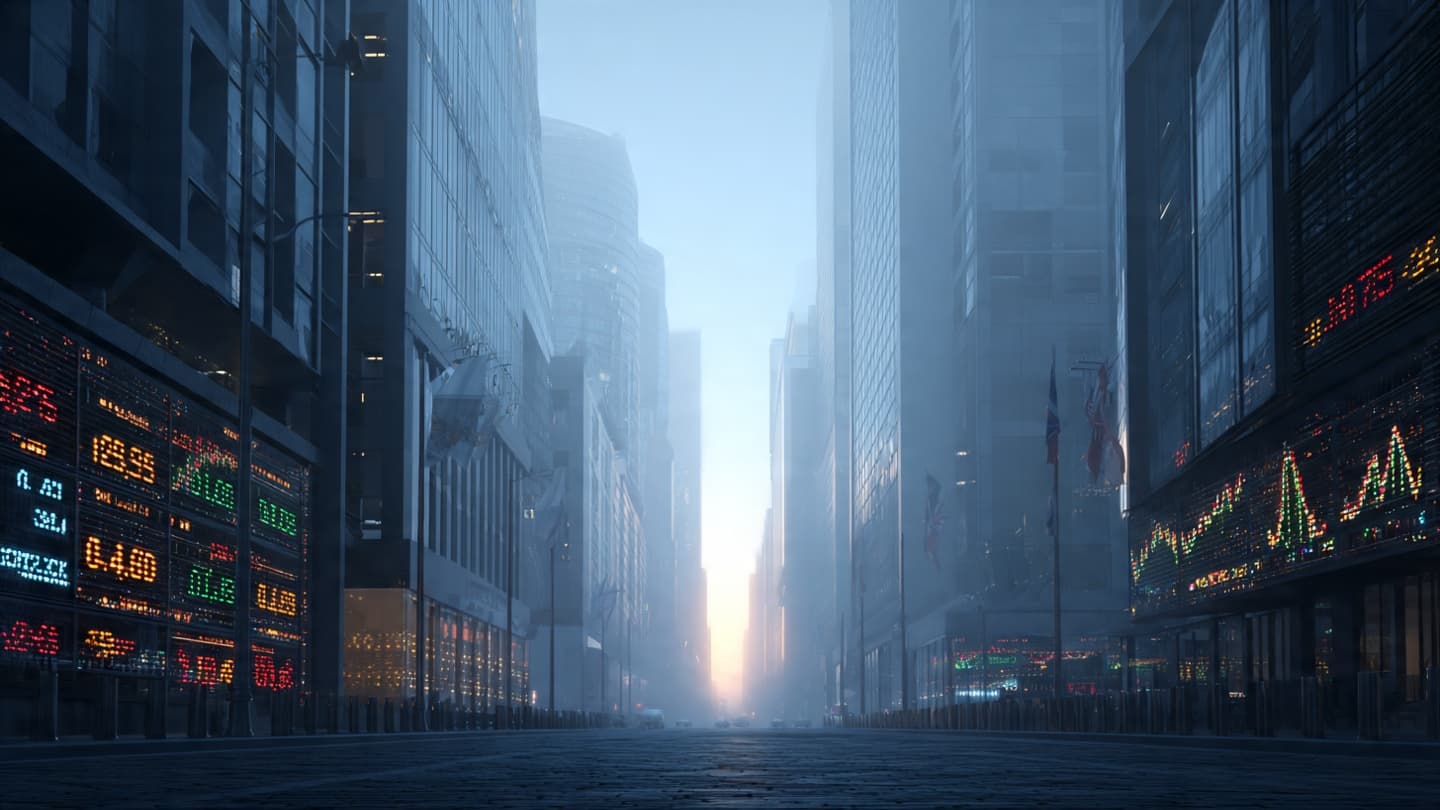
In the quiet pause between one market cycle’s close and the next’s beginning, there is often a soft, almost imperceptible shift—like the stillness before a tide changes direction. Investors watch, sometimes without speaking, sensing that the familiar landmarks of prosperity are retreating just enough to reveal a new horizon. In early 2026, that sense of a shifting tide has touched the world of finance, most notably in how Big Tech stocks—once the undisputed engines of market growth—are being viewed by traders and strategists alike.
For years, the giants of Silicon Valley carried broad indexes aloft, their innovation and scale propelling share prices skyward. The group affectionately dubbed the Magnificent Seven had a rhythm all its own, and many portfolios were built on that cadence. But recently, that once-steady beat has altered; price momentum has softened among some of these flagship names, and investors appear to be listening for new beats in the market’s unfolding score.
This change does not arrive with a thunderclap. Rather, it feels like a long-watched flower opening to a new day: subtle, contemplative, and deliberate. In the past weeks, many of the usual tech favorites have shown comparatively weaker performance, while other corners of the market—materials, industrials, consumer staples, even small-cap equities—have seen renewed interest and relative strength. Such rotation speaks to broader engagement with the market’s breadth, a slow widening of participation beyond the tech behemoths that once dominated the narrative.
To those who watch technical charts and sector flows, this shift is familiar in theory: markets are cyclical, and as one sector cools, another heats. This “sector rotation” is akin to watching the seasons change; the warmth of spring gives way to the fullness of summer, and each brings its own harvest. In 2026, value-oriented sectors and cyclical stocks are harvesting attention after years in the shade of tech megacaps.
Part of this evolution reflects investor psychology as much as financial fundamentals. Elevated valuations in some large tech names have encouraged profit-taking, while a broader rise in interest rates and geopolitical factors have prompted caution and diversification. The resulting pattern of flows has taken on a quiet momentum of its own—one that is less about abandoning innovation and more about balancing optimism with pragmatism.
It is important to remember that this is not a story of collapse, but of calibration. Some tech giants remain influential and robust, continuing to innovate and grow. Others are simply no longer the sole rulers of the market landscape. Momentum, like wind in the sails of a ship, can change direction and bring different shores into view.
For observers and participants alike, the unfolding picture suggests both challenge and opportunity. In the interplay of decline and ascent, in the ebb of one trend and the flow of another, markets reaffirm a timeless lesson: economic life pulses in rhythms that neither begin nor end with any single stock, sector, or narrative, but rather with the collective choices of those who watch, wait, and act.
AI Image Disclaimer (Rotated Wording)
“Illustrations were produced with AI and serve as conceptual depictions.”
---
Sources
MarketWatch Reuters Wall Street Journal Nasdaq commentary FinancialContent / MarketMinute
Published by Banx Network. This article is part of the Banx decentralized media programme, powered by the BXE token on the XRP Ledger.

.jpeg&w=3840&q=75 "Evernorth Goes Public: Could XRPN Change the Way Wall Street Invests in XRP?")