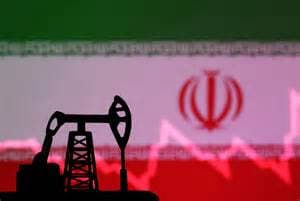
In the pale quiet before morning traffic begins its familiar pattern, there is a distinct hush at many gas station forecourts across the United States—an observable stillness that evokes not calm, but a moment of transition. The blinking numbers above fuel pumps reflect a currency of expectation and concern, as drivers witness a price at the nozzle markedly higher than it was a week before. Unlike the routine ebb and flow of seasonal costs, this surge carries an unusual weight: it is tied to conflict half a world away, to straits and routes that previously belonged only to mariners and diplomats.
Amid this backdrop, one voice has risen above the hum of everyday commerce to offer a particular kind of reassurance—tempered, curious, and tethered to the broader narrative of war and markets.
John Catsimatidis, an American billionaire known for his extensive ownership of regional gas stations and refining assets, spoke candidly this week about the recent jump in gasoline prices. With control over hundreds of fueling locations and a network stretching across several states, Catsimatidis finds himself in a rare position: both observer and participant in the unfolding drama at the pumps. He described the recent price uptick, driven in part by tensions arising from military operations involving Iran, as a temporary fluctuation, suggesting that the market may return to more familiar levels in a matter of weeks. In his words, consumers may need to “suffer for one month” as geopolitical strains settle and supply lines adjust.
The words of a seasoned industry figure carry the texture of experience. Catsimatidis, whose business extends into refining and regional fuel distribution, framed his outlook in terms that blend economic logic with a sense of urgency tied to global events. He acknowledged that the price of oil could approach elevated levels in the short term but urged patience, pointing to the natural dynamics of supply chains and marketplaces as conditions shift.
Underlying this forecast, however, is a backdrop of broader market volatility. Gasoline prices at the pump have climbed noticeably in recent days, with many regions reporting significant increases that motorists feel directly in their wallets. Analysts tracking the impacts of the Middle Eastern conflict note that disruptions to key shipping routes and wider concerns about energy supplies have added premium to crude benchmarks, which in turn filter down through refining margins and distribution networks before appearing at retail stations.
While Catsimatidis’s remark about a near‑month episode of elevated costs may feel immediate to commuters lining up for fuel, it also resonates with public comments from policymakers and analysts who stress the temporary nature of the current energy shock. Government officials have pointed to strong overall global supplies and efforts to keep key transport channels open, framing recent price movements as short‑lived rather than structural.
For everyday drivers, the current moment may be colored by a mix of patience and anticipation: the patience to endure higher prices as they unfold and the anticipation that, should broader geopolitical pressures ease, those costs will ease in turn. In this, the voice of an industry insider becomes part of a collective hope—that this surge, unlike those of decades past, remains a transient pulse in the long arc of energy markets.
Catsimatidis said the recent jump in gasoline prices amid the Iran conflict reflects a short‑term market response, and he predicts consumers will likely see prices return lower within about a month if tensions subside. He positioned this view within the broader context of global crude supply dynamics and geopolitical disruptions but emphasized that the fluctuation is temporary rather than permanent.
AI Image Disclaimer Illustrations were created using AI tools and are not real photographs.
Sources (Media Names Only) Forbes Reuters Bloomberg News The Associated Press The Guardian
Published by Banx Network. This article is part of the Banx decentralized media programme, powered by the BXE token on the XRP Ledger.