
Key Highlights
- U.S. Deploys Firefighting Resources to Canada: The U.S. has sent specialized crews and equipment to assist Canada during a severe wildfire season.
- Ongoing Wildfire Challenges:Canadian authorities face numerous large fires exacerbated by extreme weather and dry conditions.
- Importance of Cross-Border Cooperation: Established mutual assistance agreements facilitate resource sharing between the two nations.
[International Cooperation in Wildfire Response]
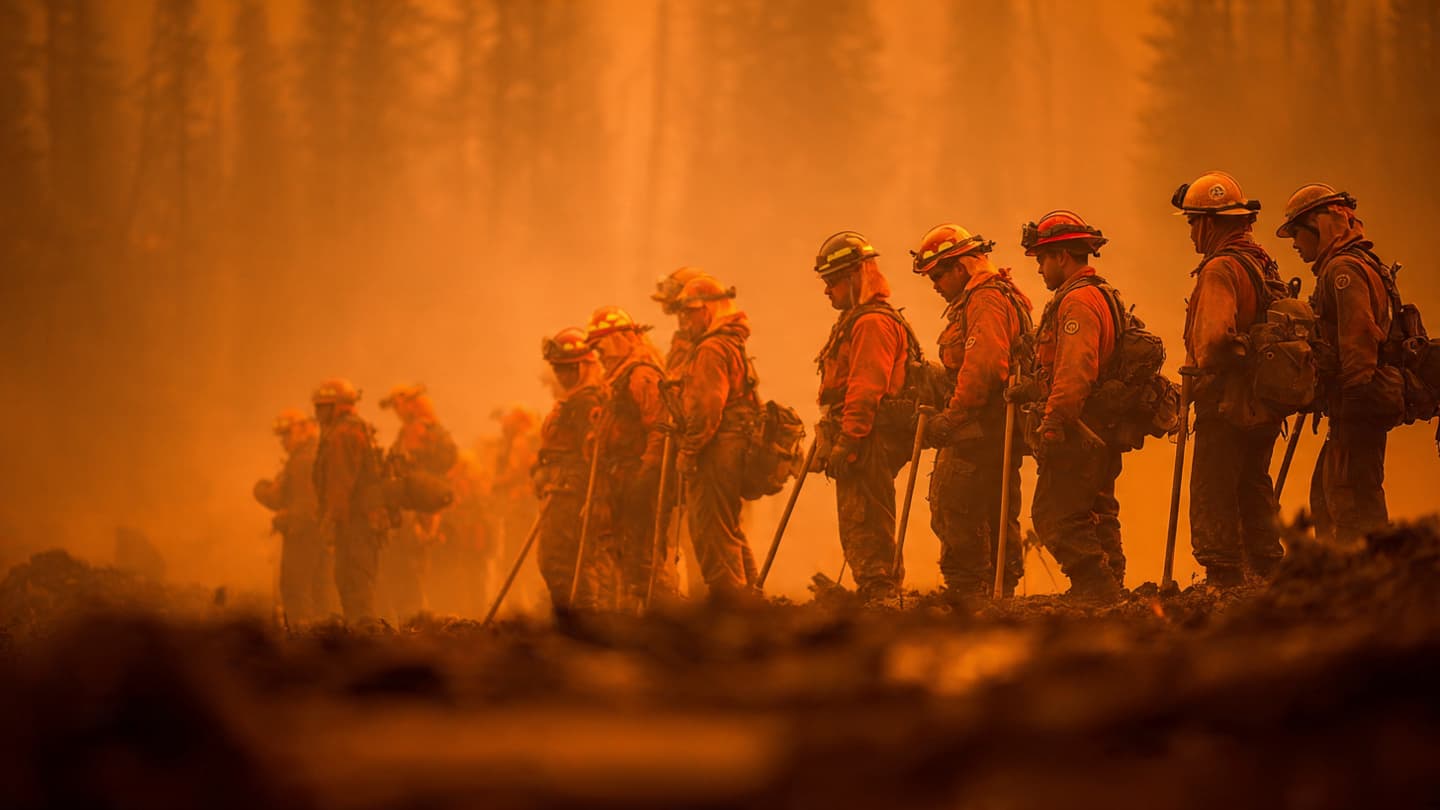
Natural disasters often reveal a quieter dimension of international relations. Beyond negotiations and policy debates, moments of crisis frequently encourage cooperation, reminding nations that shared challenges can inspire collective action. This is particularly evident as the United States has deployed firefighting personnel and equipment to assist Canada in confronting another severe wildfire season. The support includes specialized crews, aircraft, and operational resources aimed at strengthening ongoing suppression efforts.
Canadian authorities are currently battling numerous large fires across western and central provinces. In several regions, extreme weather conditions and dry vegetation have complicated containment operations, making the situation increasingly dire. The collaboration between the U.S. and Canada underscores the importance of international partnerships in addressing such crises.
[Established Cross-Border Firefighting Cooperation]
Cross-border firefighting cooperation between Canada and the United States is well established. During particularly demanding wildfire seasons, both countries regularly exchange personnel and equipment through mutual assistance agreements. This collaboration has proven vital in enhancing the effectiveness of emergency responses. Officials from both governments have emphasized the importance of this cooperation in responding to increasingly complex wildfire emergencies, as resource sharing allows emergency agencies to respond more effectively when fire activity intensifies.
Fire management specialists note that modern wildfire seasons often require extensive coordination among local, national, and international partners. Large-scale incidents can quickly overwhelm available resources in individual jurisdictions, necessitating a united front in firefighting efforts. The exchange of resources and expertise between the U.S. and Canada exemplifies how nations can come together in times of crisis.
[The Role of Aircraft in Wildfire Suppression]
Aircraft capable of delivering water and fire retardant continue to play a vital role in wildfire suppression efforts, particularly in remote areas where ground access may be limited. These aerial resources are crucial for quickly addressing fires before they spread uncontrollably. As the situation evolves, the need for such capabilities becomes increasingly apparent, highlighting the importance of technological advancements in firefighting.
[Climate Change and Future Fire Seasons]
Scientists have warned that climate-related factors, including higher temperatures and prolonged dry periods, may contribute to more challenging fire seasons across North America. As the climate continues to change, the frequency and intensity of wildfires are expected to increase, necessitating ongoing international cooperation and preparedness. As firefighters continue their work on the front lines, officials say international cooperation remains essential in protecting communities and reducing wildfire impacts throughout the region.
Published by Banx Network. This article is part of the Banx decentralized media programme, powered by the BXE token on the XRP Ledger.



