
Key Highlights
- Ukrainian officials report at least 10 civilian deaths from Russian strikes.
- President Zelensky confirms operations targeting Russian oil infrastructure.
- International observers stress the importance of protecting civilian lives amid ongoing conflict.
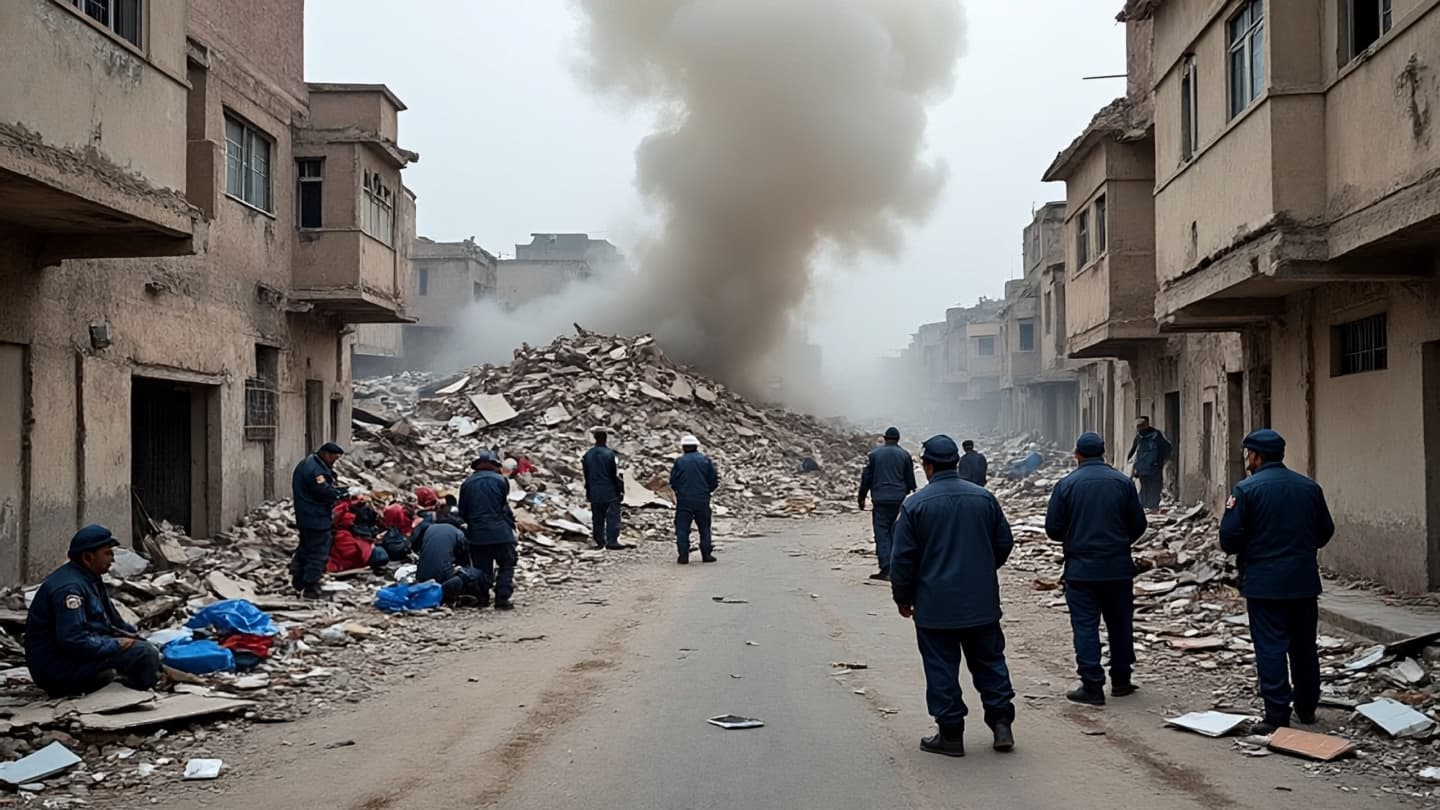
The conflict in Ukraine remains a complex and evolving situation, characterized by a continuous cycle of military actions and responses. Recent reports indicate that Russian strikes have resulted in the deaths of at least 10 civilians, underscoring the severe human cost of the ongoing war. These attacks have primarily targeted areas with significant civilian presence, highlighting the persistent vulnerability of communities caught in the crossfire.
In response to these attacks, Ukrainian President Volodymyr Zelensky announced that Ukrainian forces have conducted operations against Russian oil tankers and a terminal. These military actions are part of a broader strategy aimed at disrupting logistical and energy-related infrastructure that supports Russian military operations. The targeting of energy assets reflects their strategic importance in the conflict, as disruptions in this sector can have far-reaching consequences, impacting not only military objectives but also supply chains and economic stability in the region.
The ongoing exchanges of strikes and counterstrikes illustrate the adaptive nature of warfare, where both sides continuously modify their tactics in response to changing battlefield conditions. This dynamic has contributed to a prolonged and complex environment, making it increasingly challenging for either side to achieve a decisive victory. As the conflict drags on, the implications for civilians living in affected areas become more dire, with each new development carrying immediate consequences for their daily lives.
International observers are closely monitoring the situation, with many emphasizing the urgent need for restraint and the protection of civilian lives. Humanitarian concerns remain at the forefront, particularly in regions that have experienced repeated attacks. The ongoing violence serves as a stark reminder of the challenges faced in moving from confrontation toward a peaceful resolution.
Despite ongoing diplomatic efforts to address the conflict, progress has been limited. The latest reports reflect not only the intensity of the conflict but also the enduring urgency of initiatives aimed at reducing its human toll. For those living in the affected areas, the reality of war continues to shape their lives in profound and often tragic ways.
As the situation develops, it is crucial for the international community to remain engaged and advocate for the protection of civilians, ensuring that humanitarian considerations are prioritized amid the chaos of war.
Published by Banx Network. This article is part of the Banx decentralized media programme, powered by the BXE token on the XRP Ledger.



