Before the first hint of dawn, as the sky’s ink slowly lightens toward day, there comes a moment when celestial rhythms seem to slow and deepen. The full Moon, usually a pale companion through the night, adopts a different hue — richer, warmer, as though brushed by earthbound firelight. This Tuesday, that transformation will not be an accident of weather or imagination but the quiet consequence of cosmic geometry: Earth standing between the sun and its satellite, casting a shadow that the Moon will pass through, phase by phase, until its full face glows a deep shade of red.
In the early morning hours of March 3, 2026, spectators from large swaths of the globe will have the chance to witness this rare spectacle — a total lunar eclipse sometimes called a Blood Moon because of the copper‑red coloration that can wash over the lunar surface during full shadow. The event unfolds over several hours, beginning with the Moon’s entrance into Earth’s outer, penumbral shadow and culminating in a period of totality when it sits entirely within the Earth’s darkest shade and takes on that memorable glow.
From portions of North America through Central and western South America, the red phase will be most dramatic just before sunrise, when the Moon is highest in the sky and the deep reds and oranges seem to pulse gently against the horizon. Observers across the Pacific and in parts of East Asia and Australia will see the spectacle later in the evening as the Moon rises already partway into eclipse. Meanwhile, areas such as Africa and much of Europe will see only partial phases or miss the event entirely as daylight or moonset intervenes.
For more than half an hour — close to an hour, in fact — the Moon will remain wholly within Earth’s shadow, its familiar grey transformed by the filtered light that bends through our planet’s atmosphere and scatters shorter wavelengths, letting the reds and oranges carry through to the lunar face. This coloration is not merely dramatic imagery but the poetic result of atmospheric physics: much like the glow of a sunrise or sunset on Earth, it’s sunlight brushed and diffused by air and particles before it arrives at that distant surface.
The exact moments vary by region and local time, but for parts of the United States on March 3, totality — the deep red phase — is expected in the early morning hours, nestled between the rise of dawn and the end of the night’s dark. In California and other West Coast locales, the most vivid coloration will be around 3 a.m. to 4 a.m. Pacific Time, while farther east each phase shifts slightly later as the Earth turns beneath the eclipse path.
This celestial event carries a quiet promise. It is one of those rhythms that belongs simultaneously to the immutable clockwork of the solar system and to our fleeting terrestrial experience. Whether you watch from a light‑scattered city street or a quiet rural field, the sequence — from the Moon’s gradual darkening to its complete immersion in Earth’s shadow — unfolds with a gentle cadence, a reminder that even the heavens partake in cycles of shadow and revelation.
As Tuesday unfolds, the total lunar eclipse will offer skywatchers across the Americas, the Pacific, and parts of Asia and Australia an opportunity to see the Moon bathed in rich, rust‑toned hue. The phenomenon is safe to observe with the naked eye, though binoculars or a telescope can enhance the view of lunar features as they emerge in partial and total phases. While this is the only total lunar eclipse visible in many regions until late 2028, its slow, assured sweep across the sky invites a kind of quiet wonder that transcends calendars and time zones.
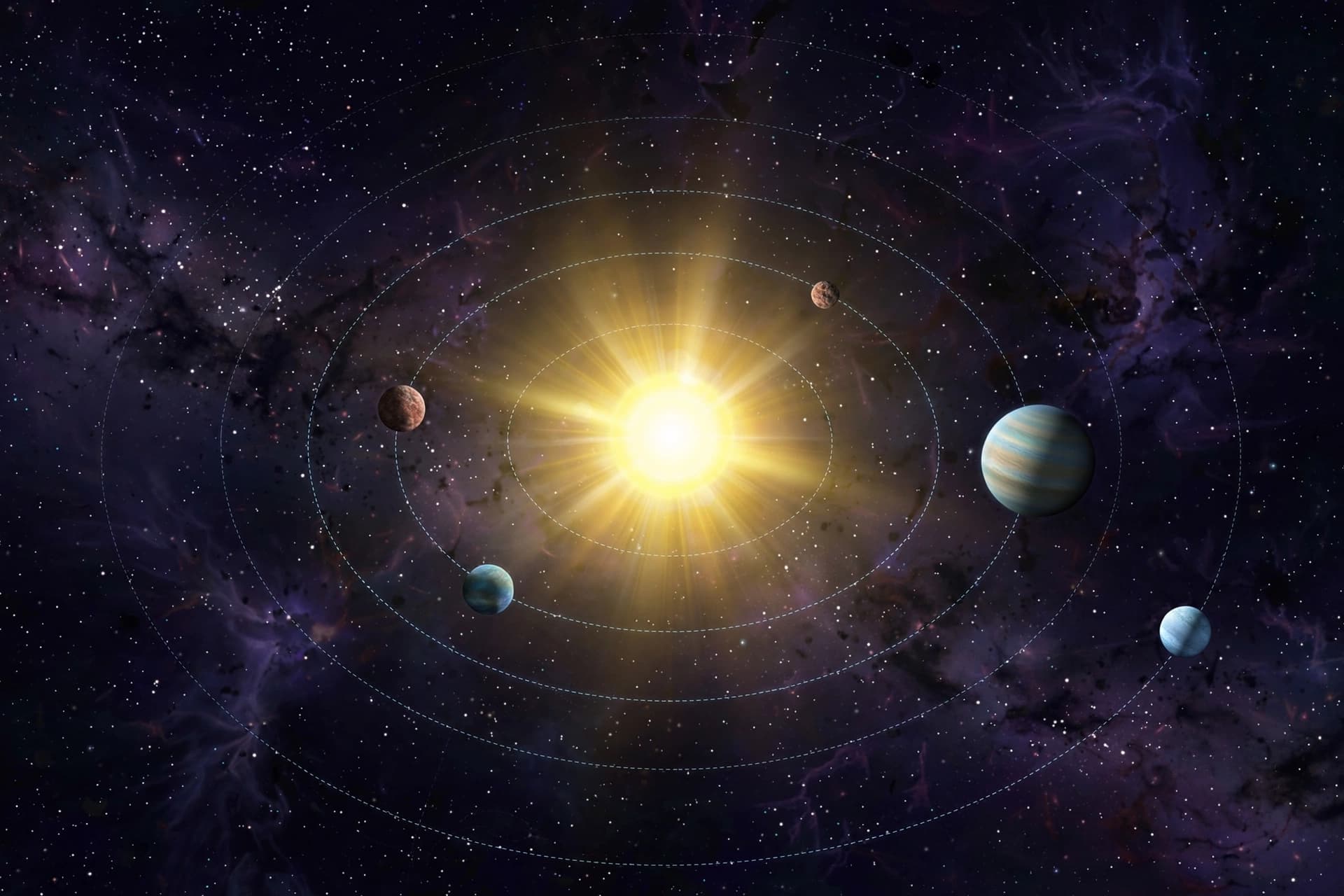
Illustrations were created using AI tools and are not real photographs.
Sources (Media Names Only)
Associated Press PBS NewsHour Weather.com KristV News San Francisco Chronicle
Published by Banx Network. This article is part of the Banx decentralized media programme, powered by the BXE token on the XRP Ledger.