
Key Highlights
- Prolonged power outages have become a daily reality in Cuba, affecting millions.
- The aging power infrastructure struggles due to underinvestment and U.S. sanctions.
- Citizens adapt to blackouts, but frustration and protests are rising.
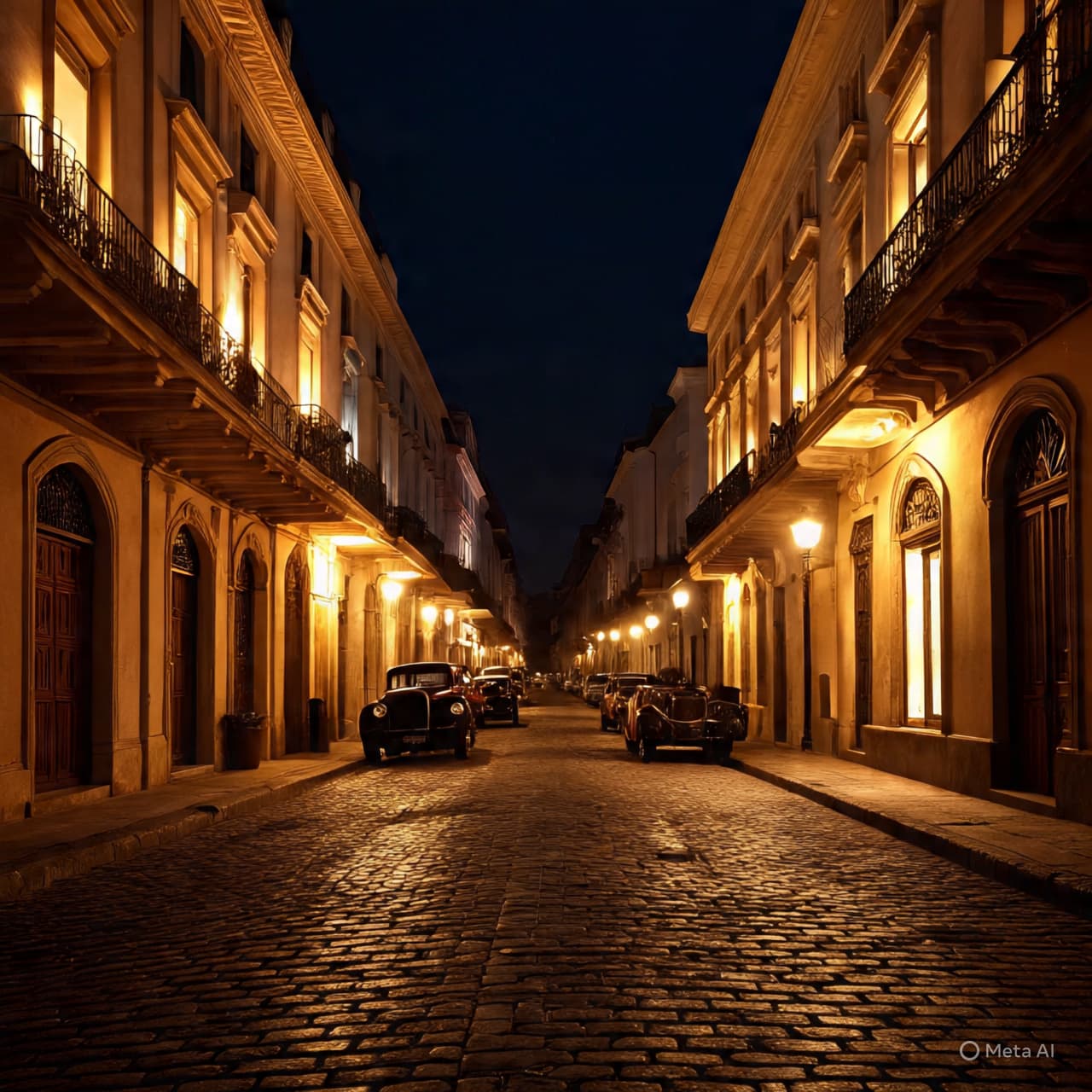
Cuba is currently grappling with a severe energy crisis, as power outages have become a routine part of life for millions of its citizens. As evening descends upon Havana, the city often finds itself enveloped in darkness, with residents anxiously awaiting the return of electricity. The situation has escalated to the point where entire neighborhoods can be plunged into blackness for hours, leaving families to navigate their daily routines in uncertainty.
The root of the crisis lies in Cuba's aging power infrastructure, which has suffered from decades of neglect and limited access to necessary spare parts. Major thermal plants have experienced breakdowns, compounded by fuel shortages and technical failures, leading to a system that operates perilously close to its limits. Officials have acknowledged the gravity of the situation, describing a fragile grid burdened by outdated equipment and economic constraints that hinder the import of essential fuel and components.
In the face of these challenges, the Cuban government has made efforts to repair existing facilities and invest in renewable energy sources. However, progress has been slow and uneven, leaving many citizens to cope with the immediate impacts of the outages. In homes across the island, families have adapted by planning meals around cooking times, relying on generators in hospitals, and conserving battery life on mobile devices as if they were precious lifelines.
The ongoing power crisis unfolds against a backdrop of heightened tensions between Havana and Washington. Cuban authorities argue that long-standing U.S. sanctions have severely limited the country's ability to procure fuel and access international financing. In contrast, U.S. officials maintain that the sanctions are aimed at government entities and human rights issues, not humanitarian needs. This complex dynamic leaves ordinary Cubans caught in the crossfire, facing the consequences of policies that seem far removed from their daily struggles.
As the situation continues to deteriorate, public frustration has boiled over into scattered protests in some communities. Citizens express their discontent over the prolonged outages, which have exacerbated already challenging living conditions. In response, authorities have issued appeals for patience while simultaneously warning against disorder, highlighting the delicate balance they must maintain.
Cuba has faced energy crises in the past, notably during the “Special Period” in the 1990s, following the collapse of the Soviet Union. The memories of that time, characterized by blackouts and scarcity, still resonate with many Cubans today. The current outages evoke those memories, as citizens find themselves once again improvising and adapting to a life without reliable electricity.
Despite the fatigue that accompanies these ongoing challenges, the resilience of the Cuban people shines through. Neighbors share extension cords, families pool resources for ice, and radios powered by batteries provide a semblance of normalcy. Yet, the emotional toll of the situation cannot be overlooked; the longer the darkness persists, the heavier it weighs on the collective spirit of the nation.
Officials have indicated that incremental improvements are on the horizon as repairs are completed and fuel deliveries resume. However, they caution that stability will remain elusive in the near term. There is no single solution that will restore reliable power overnight, and as night falls once more, candles flicker in windows, and phones emit faint glows in the hands of those waiting for a return to normalcy.
Cuba waits — for electricity, for relief, and for a light that symbolizes hope amid the darkness.
Published by Banx Network. This article is part of the Banx decentralized media programme, powered by the BXE token on the XRP Ledger.



