He writes in shadows, yet his words illuminate. In the tremors of chaos, in the hush after despair, there emerges a voice that insists on seeing, on feeling, on speaking. László Krasznahorkai is that voice — born in 1954 in Gyula, Hungary — who has long dwelt among the apocalyptic horizons of literature, drawing maps of human alienation, spiritual ending, and melancholic dread. Now the Nobel Prize in Literature looks in his direction, and the world turns to listen.
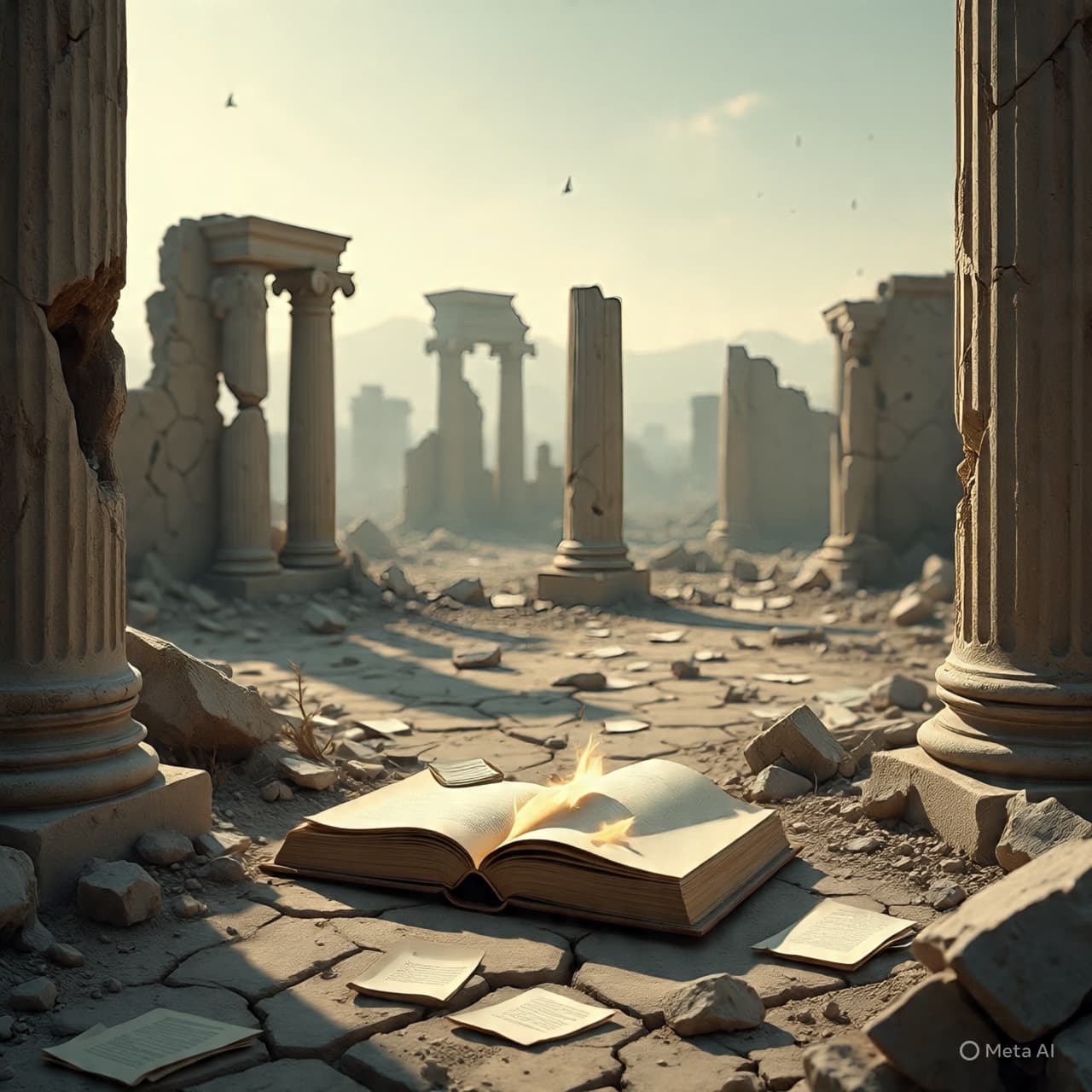
For decades, Krasznahorkai has built novels not merely as stories, but as pressure chambers of thought. His works such as Satantango and The Melancholy of Resistance unfold in long, winding sentences, in landscapes decayed or collapsing, populated by people who move through ruin with desperate dignity. His prose speaks of systems crumbling, of isolation deepened by society’s alignments, yet also of the stubborn belief that art — in its most visionary form — can hold against the weight of existential terror. Critics have called him a “master of apocalypse,” and comparisons ripple toward Kafka, Bernhard, Beckett for both the absurd and the sublime in his vision.
The Swedish Academy awarded him the Nobel “for his compelling and visionary oeuvre that, in the midst of apocalyptic terror, reaffirms the power of art.” It is praise given to an oeuvre that doesn’t flinch from bleakness. It turns its gaze downward into suffering and upward toward meaning. It does not promise resolution, but asks us to bear reflection — to see the fragility of social order, to resist the silence that despair invites. Krasznahorkai also carries influences beyond Europe: the tone in some works is contemplative, finely calibrated, drawing from perspectives observed in travels East, layering the fierce with the quiet, the grotesque with the poetic.
He is the second Hungarian writer to win Literature’s highest honor after Imre Kertész in 2002. At 71, the timing seems both late and inevitable. His stories adapt also to film through collaboration with Béla Tarr, extending their life beyond just pages. More than recognition, the Nobel signals an embrace of literature’s capacity: to conjure dread, to carry weight, and still insist on art as resistance.
The Swedish Academy has formally announced that László Krasznahorkai is the 2025 laureate of the Nobel Prize in Literature. The award is bestowed for his visionary and powerful body of work amid themes of apocalyptic terror, reaffirming the enduring power of art.
AI Image Disclaimer: “Graphics are AI-generated and intended for representation, not reality.”
Sources: Reuters, The Guardian, Euronews, AP News, Times of India
Published by Banx Network. This article is part of the Banx decentralized media programme, powered by the BXE token on the XRP Ledger.