
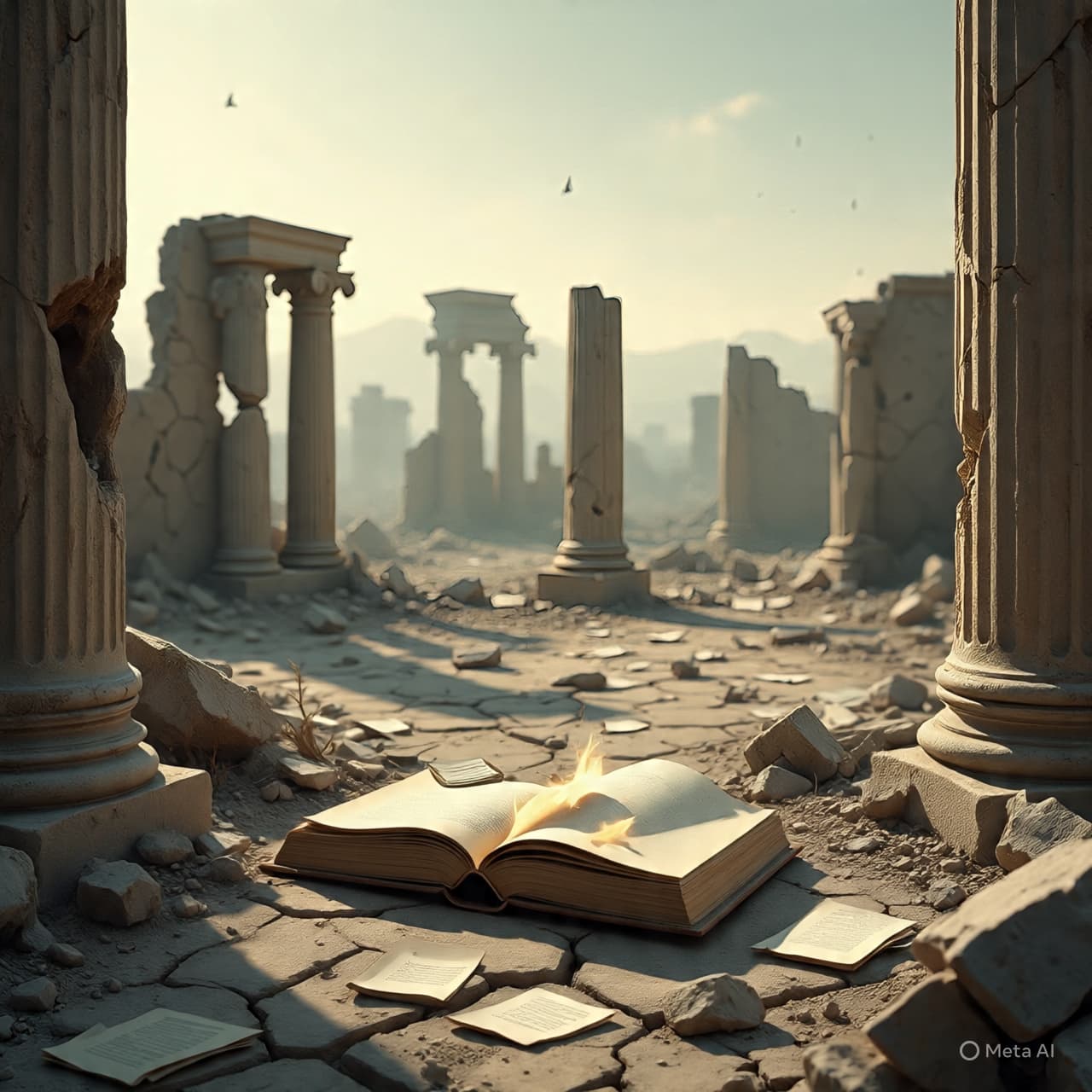
Key Highlights
- Award:László Krasznahorkai wins the 2025 Nobel Prize in Literature.
- Recognition:Celebrated for his exploration of apocalyptic themes and the power of art.
- Legacy:Second Hungarian laureate after Imre Kertész in 2002.
László Krasznahorkai, a prominent Hungarian author, has been awarded the 2025 Nobel Prize in Literature, marking a significant recognition of his profound contributions to contemporary literature. Born in 1954 in Gyula, Hungary, Krasznahorkai has spent decades crafting narratives that delve into the depths of human experience, often reflecting themes of alienation, despair, and the resilience of art in the face of chaos. His works, including the acclaimed novels "Satantango" and "The Melancholy of Resistance," are characterized by their intricate, winding prose and a focus on the human condition amidst societal decay.
The Swedish Academy awarded Krasznahorkai the Nobel Prize for his "compelling and visionary oeuvre that, in the midst of apocalyptic terror, reaffirms the power of art." This accolade not only highlights his literary genius but also underscores the importance of art as a means of resistance against despair. Critics have lauded him as a "master of apocalypse," drawing parallels between his work and that of literary giants such as Franz Kafka, Thomas Bernhard, and Samuel Beckett. His narratives often challenge readers to confront uncomfortable truths about society and the fragility of human existence.
Krasznahorkai's writing is notable for its ability to evoke a sense of urgency and contemplation. His characters navigate landscapes of ruin and isolation, embodying a struggle against the overwhelming weight of existential dread. Yet, within this bleakness, there exists a stubborn belief in the transformative power of art. His prose invites readers to reflect on the complexities of life, urging them to find meaning amidst chaos.
At 71 years old, Krasznahorkai becomes the second Hungarian writer to receive the Nobel Prize in Literature, following Imre Kertész's win in 2002. This recognition comes at a time when his works are gaining renewed attention, particularly through adaptations into film in collaboration with renowned director Béla Tarr. These adaptations have helped extend the reach of his narratives beyond the written word, allowing a broader audience to engage with his themes.
The announcement of Krasznahorkai's Nobel Prize is a testament to the enduring relevance of literature in addressing the human experience. As the world grapples with its own apocalyptic narratives, his work serves as a reminder of the power of storytelling to illuminate the darkest corners of existence. The Nobel Prize not only honors Krasznahorkai's literary achievements but also reaffirms the vital role of art in fostering resilience and hope in challenging times.
As the literary community celebrates this significant achievement, readers and critics alike are encouraged to explore Krasznahorkai's body of work, which continues to resonate with audiences around the globe. His unique voice and perspective offer a profound commentary on the human condition, making him a deserving recipient of this prestigious honor.
Published by Banx Network. This article is part of the Banx decentralized media programme, powered by the BXE token on the XRP Ledger.



