A single candle flame in the deep dusk can shift how we see the night’s contours. In much the same way, IonQ’s recent quantum chemistry achievement may cast a new glow upon the scientific horizon — hinting at tools that could help slow the drifting of carbon into our sky.
IonQ has demonstrated improved accuracy in simulating complex chemical systems by using a hybrid quantum-classical algorithm — specifically, the quantum-classical auxiliary-field quantum Monte Carlo (QC-AFQMC) method. This advance allowed the precise computation of atomic-level nuclear forces at critical reaction points in molecular interactions. Unlike past efforts that mainly calculated energy values, this new method actually simulates force vectors — how atoms pull, push, and shift in reaction landscapes. Those details matter when we try to design materials that capture carbon more efficiently.
One collaboration behind this result involved a major global automaker. Through that partnership, IonQ showed that this quantum-assisted approach outperforms some classical computations in predicting atomic forces. The more precise the prediction, the better scientists can model reaction pathways, molecular stability, and ultimately design materials for carbon capture or cleaner chemical processes.
In practical terms, this is not yet a finished tool but a promising bridge. Quantum methods like QC-AFQMC may feed their outputs into classical molecular dynamics workflows, enhancing their insight rather than replacing them outright. The synergy is delicate: errors, coherence limits, and scaling remain challenges.
Still, the demonstration suggests that quantum computing could move from academic benchmarks into industrially relevant chemistry tasks — from drug discovery to batteries to decarbonization. For climate change, the stakes are high: capturing carbon atoms more efficiently, designing catalysts, or simulating new materials faster could shave years off the path to scalable climate tech.
Quantum computing is often spoken of in grand terms — religious faith in qubits, error correction, fault tolerance. Yet breakthroughs like this bring it back to atoms and molecules, to forces we can measure and use. The journey is long, but the incremental gains matter — each step of precision is a plank in the bridge to real-world application.
In closing, IonQ’s announcement of enhanced accuracy in quantum-assisted chemical simulation marks a meaningful advance in the quest for tools that can aid climate mitigation. While classical methods still dominate many workflows, the integration of quantum insights into molecular modeling may unlock new paths for materials science and carbon capture. The road ahead is technical and uncertain, but this outcome invites us to watch quantum computing not just as promise, but as a collaborator in addressing climate challenges.
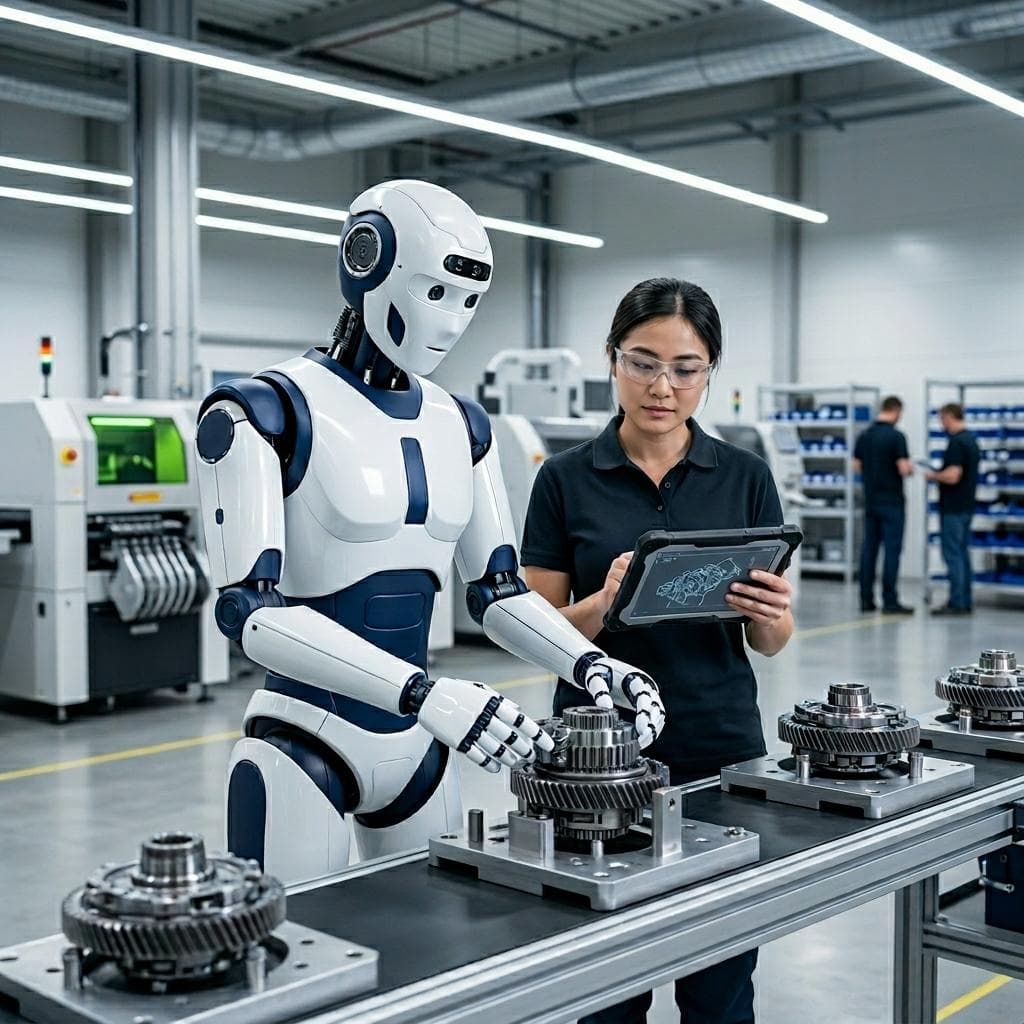
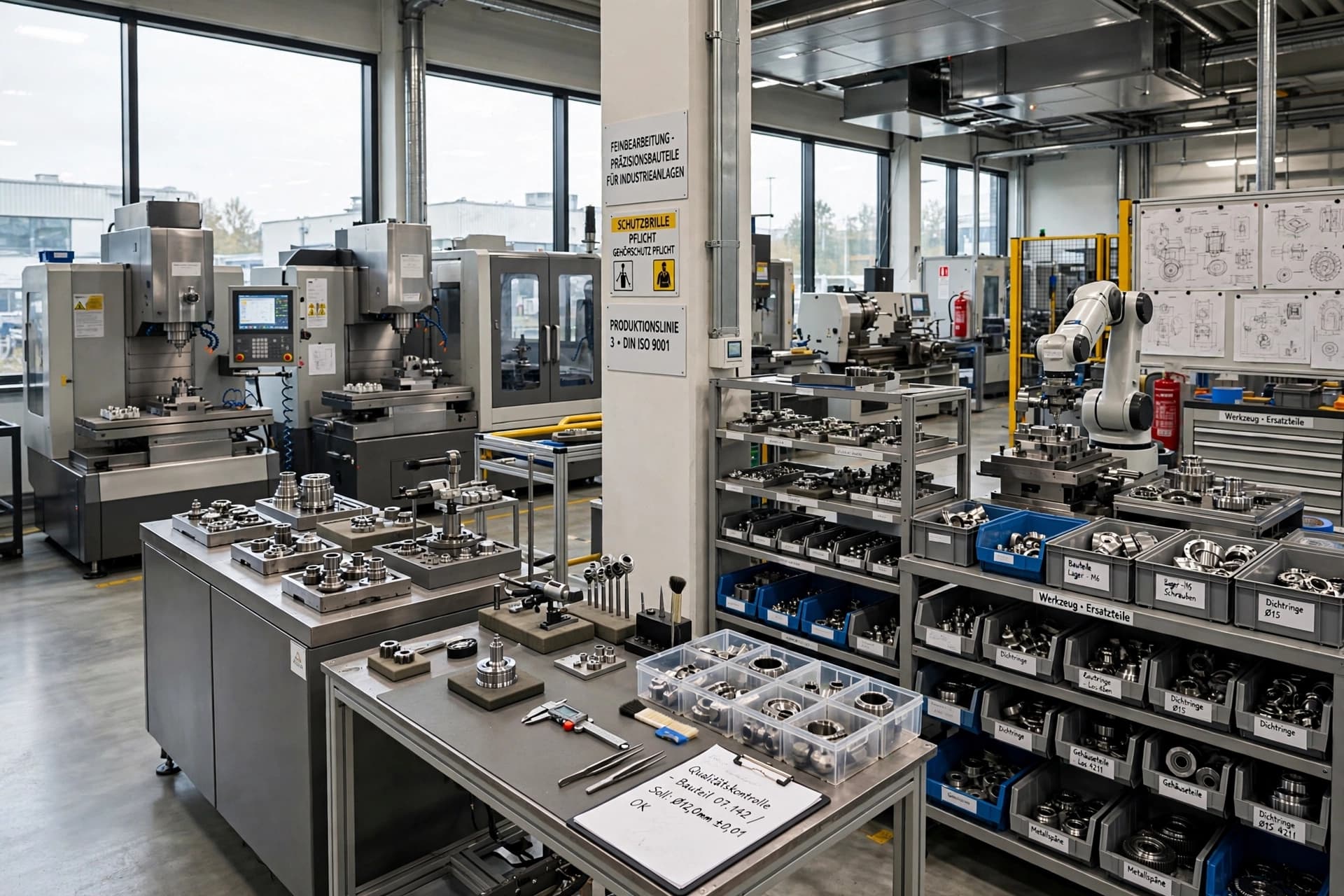
AI Image Disclaimer: Graphics are AI-generated and intended for representation, not reality.
Sources: IonQ official / Business Wire, HPCWire, Investing.com, GuruFocus, StreetInsider
Published by Banx Network. This article is part of the Banx decentralized media programme, powered by the BXE token on the XRP Ledger.

.jpg&w=3840&q=75 "The Artemis Revolution: How NASA Plans to Build Humanity's Future on the Moon")