There is a kind of quiet awe that comes with watching a tiny life take its first steps — a moment of wonder that can feel almost poetic, as if a new page has been turned in the long story of human resilience. For parents of a child diagnosed in the womb with myelomeningocele, the most severe form of spina bifida, those early steps might once have seemed impossible. In the world of congenital medicine, challenges of the spine and nervous system have often been viewed with solemn caution, because the very architecture of movement is involved.
Yet, in a breakthrough that bridges hope and science, a young boy who doctors believed could be paralyzed due to a severe spinal abnormality — diagnosed during pregnancy — is now walking, running and exploring with the energy of a child unburdened by the grim expectations once placed upon him. His name is Tobi Maginnis, and he is among the first children to benefit from an innovative prenatal surgical procedure that included stem cells applied to his developing spinal cord while still in the womb. ([turn0news0]
At about 20 weeks’ gestation, an ultrasound scan revealed that Tobi had spina bifida, a condition in which the spinal column does not close properly during early development, leaving part of the spinal cord exposed. Untreated, this condition can lead to significant disability, including paralysis of the legs and problems with bladder and bowel control. Traditional approaches to care have included prenatal surgery to repair the defect, which can improve outcomes, but even that doesn’t always guarantee the ability to walk independently after birth. ([turn0news0]
In a world‑first clinical trial led by the University of California Davis Children’s Hospital, surgeons took the step of including stem cells taken from the placenta during the fetal surgery. Around 25 weeks into pregnancy, they made a small opening in the mother’s abdomen and womb, placed a patch of stem cells over the exposed spinal cord of the fetus, and then closed the incision to allow tissue to regenerate. This added layer of regenerative support is part of ongoing research that aims to improve neurological outcomes by encouraging healing at a stage when the nervous system is still developing. ([turn0news0]
Tobi’s parents have shared that he is full of energy — running, jumping and walking with joy. “We expected Tobi to be wheelchair‑bound,” his mother said, describing the uncertainty that accompanied the decision to participate in the trial. Now, seeing where he is today, the family feels fortunate every day. Such reflections reveal the deeply human side of medical advances, where science and parental love intersect in life‑shaping ways. ([turn0news0]
Dr. Diana Farmer, who led the study, described earlier results — including from the first baby in the trial — as exceeding expectations. The ability of newborns treated with this technique to move their legs and wiggle their toes at birth suggests that supporting the spinal cord’s environment earlier may change the trajectory of neurological development. Still, she notes that the medical community remains “cautiously optimistic,” carefully monitoring outcomes to ensure safety and effectiveness over time. ([turn0news0]
This careful optimism reflects the nature of early clinical research: profound hope tempered by the hard work of gathering evidence. Tobi was one of six babies in this pioneering trial, and all were reported to be born healthy, with no signs of side effects from the stem cell treatment. The next phase of research involves monitoring children over several years to establish whether the benefits seen early persist into later development — including mobility and daily functioning. ([turn0news0]
Spina bifida affects hundreds of families each year, and while prenatal surgery has advanced significantly, many children still face limitations. Adding stem cell therapy during fetal repair represents a new frontier — one that blends surgical technique with the restorative potential of regenerative medicine. It invites families, clinicians and scientists alike to imagine a future where outcomes can be fundamentally improved, even before a child takes their first breath. ([turn0search25]
In gentle news terms, a child born after ground‑breaking prenatal stem cell surgery for spina bifida — a condition that often limits mobility — is now walking and running, according to his parents and doctors involved in the world‑first clinical trial. The procedure included placing stem cells on the fetus’ spinal cord during surgery, and no serious side effects have been reported; children involved in the study will continue to be monitored to assess long‑term outcomes as the research progresses. ([turn0news0]
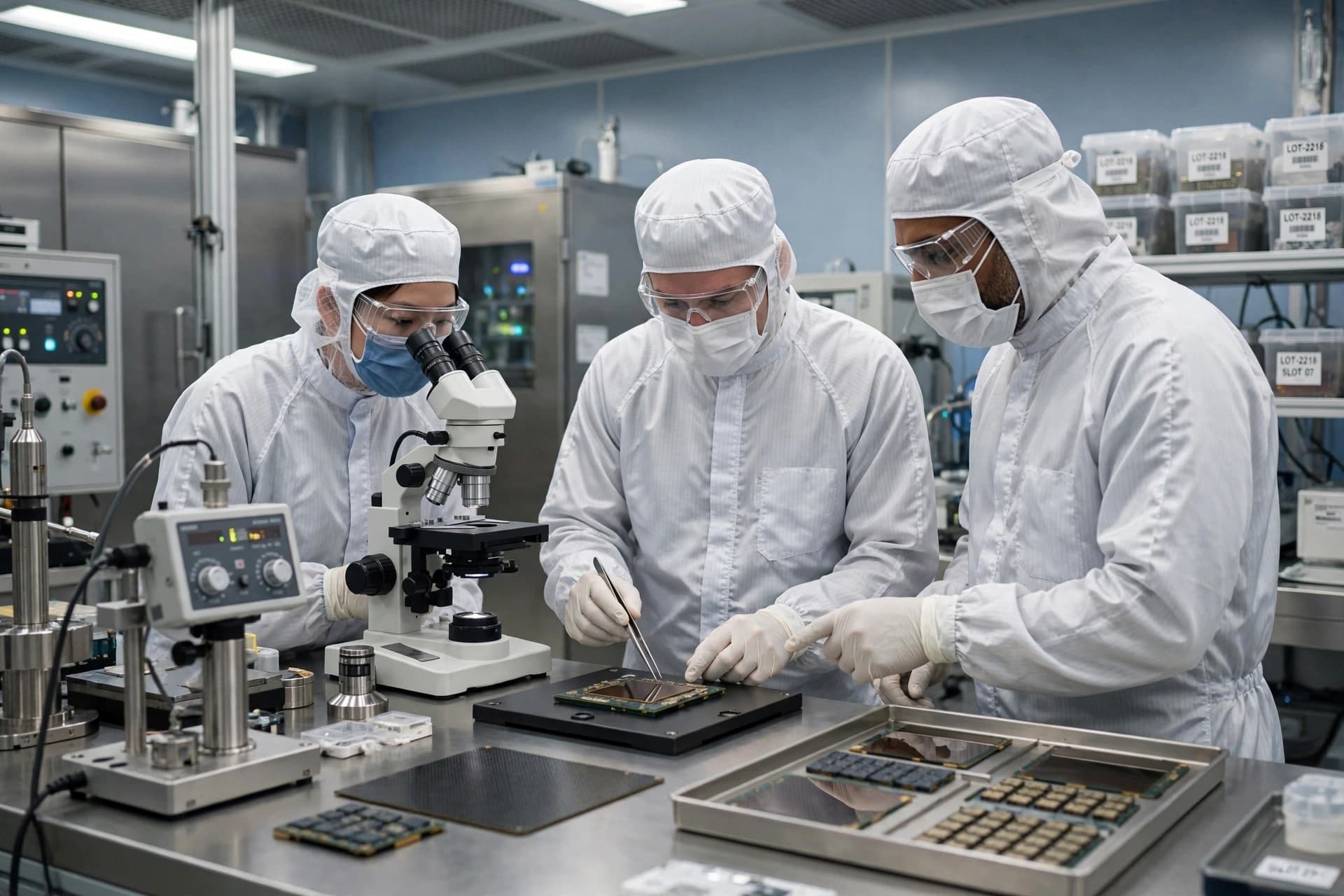
AI Image Disclaimer Graphics are AI‑generated and intended for representation, not reality.
Sources: Sky News UC Davis Health The Lancet / MedicalXpress Nature Good Morning America (context on spina bifida surgery history)
Published by Banx Network. This article is part of the Banx decentralized media programme, powered by the BXE token on the XRP Ledger.