In the soft rhythm of early morning in Ottawa, when the river moves quietly past the city and the Parliament buildings hold the pale light of a new day, the language of alliances often unfolds with a kind of careful patience. Diplomacy rarely arrives with sudden thunder. Instead, it moves like a slow tide—measured, deliberate, attentive to currents far beyond the shoreline.
In recent days, that quiet language surfaced again as Canadian Prime Minister Mark Carney spoke about the evolving shape of international cooperation. His words came at a moment when global tensions—from the Middle East to Eastern Europe—have sharpened the focus on how countries position themselves among partners and conflicts that stretch far beyond their borders.
Canada, Carney explained, remains committed to the alliances that have long framed its foreign policy. Yet commitment, he suggested, is rarely a simple matter of automatic response. “Canada will stand by its allies when it makes sense,” he said, a phrase that seemed to capture both loyalty and caution in equal measure.
The remark echoed a broader recalibration that many middle powers appear to be navigating. For decades, Canada’s role in international affairs has often been defined by partnership—within NATO, alongside the United States, and among a network of Western democracies that share security and economic ties. But the landscape of global politics has grown more intricate in recent years, shaped by shifting power balances, emerging conflicts, and a growing awareness that each decision carries consequences that ripple across regions.
Carney’s comments came as governments across the world continue to respond to the war involving Iran and escalating tensions across the Middle East. While Canada has not committed military forces to the conflict, officials have acknowledged that the situation remains fluid and that the government continues to assess developments alongside allies.
In that sense, the prime minister’s phrasing reflected the delicate balance many governments are trying to maintain: solidarity without automatic escalation, partnership without abandoning national judgment. The idea of standing with allies “when it makes sense” may sound understated, but in diplomatic terms it signals a willingness to weigh circumstances carefully before crossing the threshold from political support into direct military involvement.
Behind these words lies the practical reality of Canada’s global commitments. Canadian forces already participate in NATO deployments in Europe and contribute to multinational security operations abroad. At the same time, the government faces domestic considerations—public opinion, parliamentary oversight, and the long historical memory of overseas missions that have shaped how Canadians view the use of military power.
Internationally, the statement also reflects a broader conversation about how alliances function in a more fragmented world. As conflicts become increasingly complex, partners sometimes find themselves aligned in principle but cautious in practice, measuring the scope of their involvement case by case.
For Canada, that approach suggests a posture defined less by rigid doctrine and more by pragmatic evaluation. Allies remain allies, Carney emphasized, but the path from support to participation may not always follow the same route.
In the quiet halls of diplomacy, such nuances often carry significant meaning. A few carefully chosen words can signal continuity while leaving space for flexibility—a reminder that alliances are living arrangements, shaped by circumstance as much as by treaty.
As the global landscape continues to shift, Canada’s stance appears to rest on that delicate balance: loyalty tempered by judgment, solidarity guided by circumstance. The prime minister’s remarks did not announce a new policy or a sudden turn in direction. Instead, they sketched the outline of a familiar Canadian instinct in international affairs—standing with partners, but stepping forward only when the moment truly calls for it.
And in a world where conflicts move quickly and alliances are constantly tested, that quiet calculation may become an increasingly important part of how nations navigate the uncertain tides ahead.
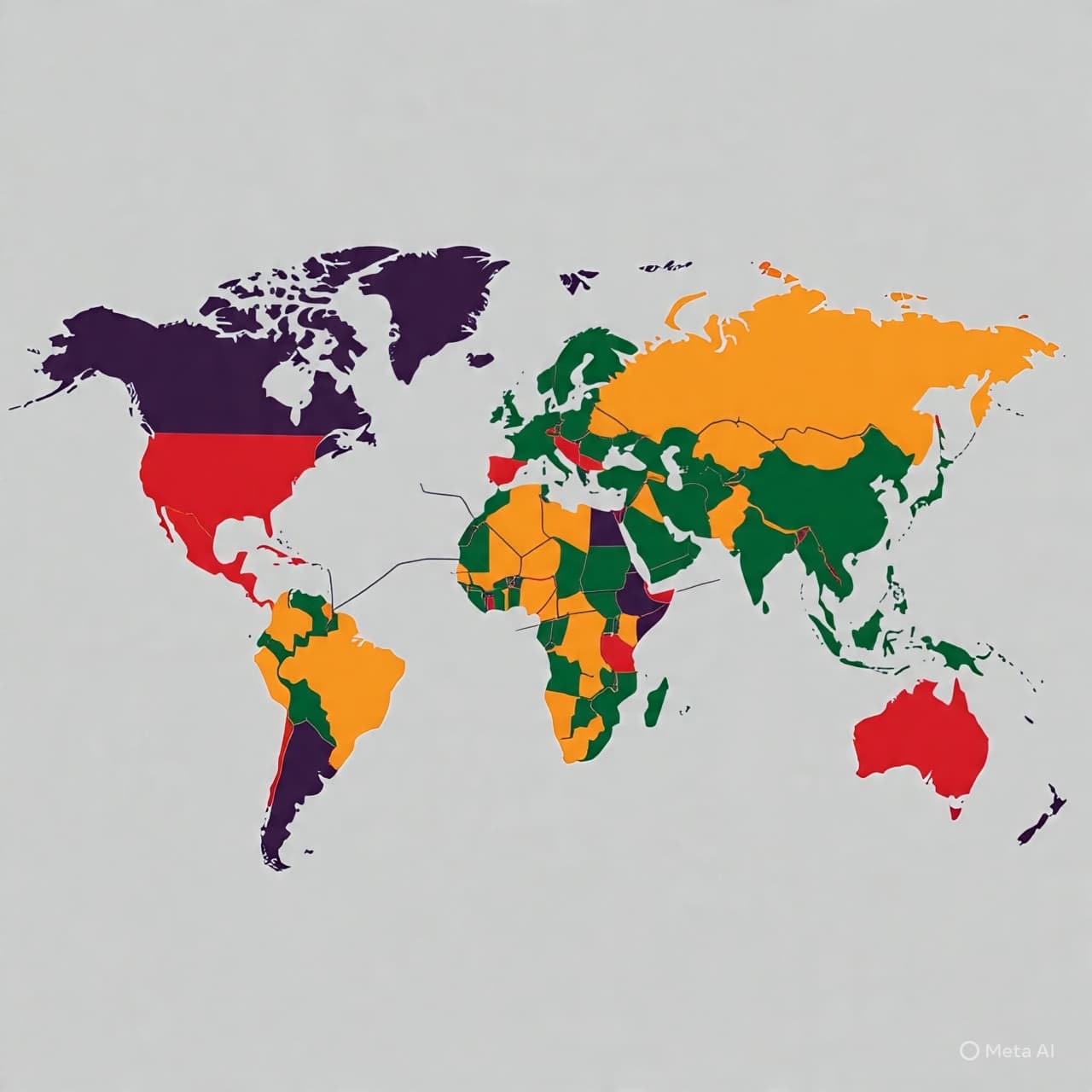
AI Image Disclaimer Visuals are AI-generated and serve as conceptual representations.
Sources Reuters Associated Press BBC The Guardian Al Jazeera
Published by Banx Network. This article is part of the Banx decentralized media programme, powered by the BXE token on the XRP Ledger.