

Key Highlights
- Turkish F-16 jets have landed in Somalia, marking a significant military development.
- The arrival signals deeper military cooperation between Turkey and Somalia.
- Analysts suggest the jets may bolster counterterrorism efforts against al-Shabaab.
In the soft shimmer of dawn over Mogadishu’s dusty airfield, distant silhouettes grow sharper against an awakening sky. There, where the Indian Ocean breathes its warm wind across the Horn of Africa, machines of intricate design — F-16 fighter jets from Turkey — have settled briefly into their new home. Much like travelers pausing between journeys, these aircraft seem both out of place and unmistakably present, a reminder of the threads that tie nations across oceans and histories.
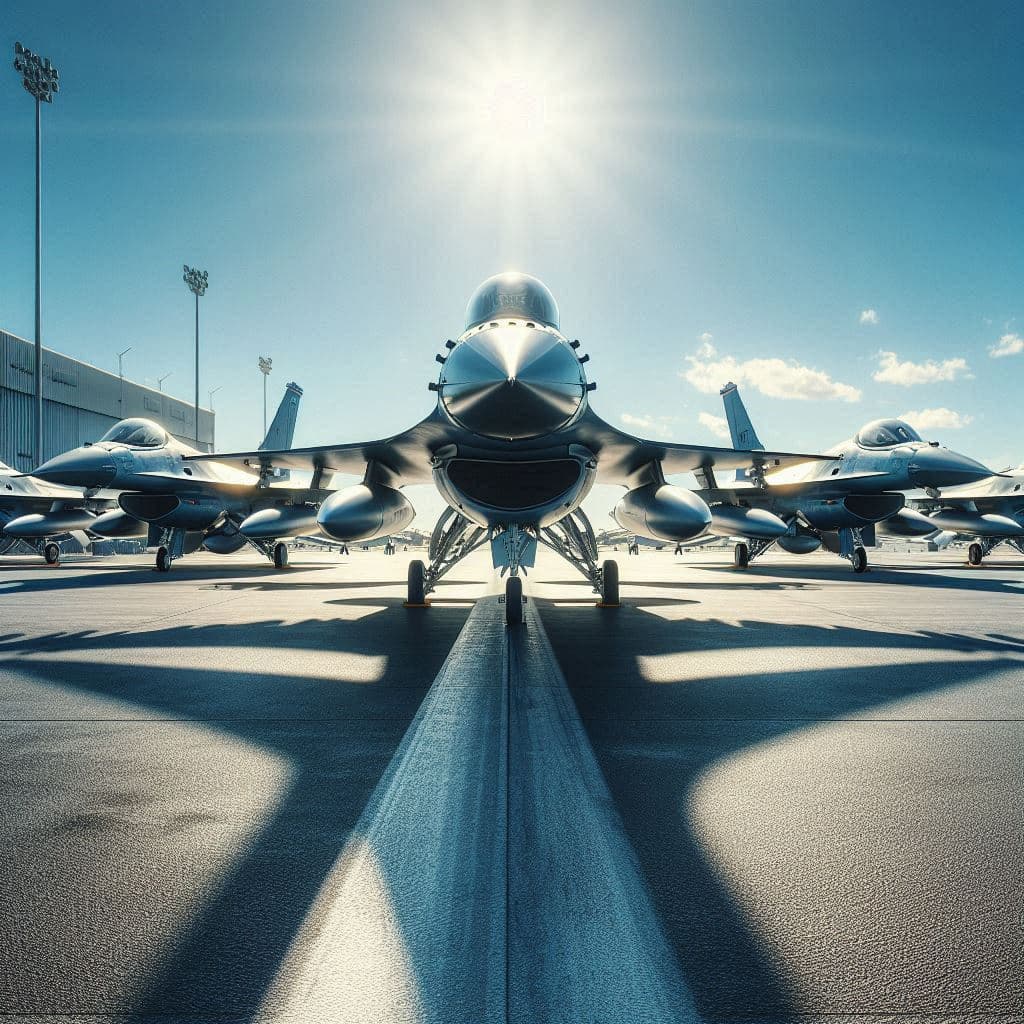
In recent days, Turkish F-16 jets touched down on Somali soil, a development confirmed by officials and reported widely by international news outlets. The arrival of these combat aircraft marks a deepening of Ankara’s presence in the Horn of Africa — an engagement that has unfolded gradually over years through military cooperation, training missions, and economic partnerships. Turkey has maintained a robust support relationship with Somalia, offering military assistance and development aid as the country continues to recover from decades of conflict and instability.
The jets — reported to number at least three — were transported to Aden Adde International Airport, where Turkish personnel have prepared new infrastructure to support air operations. Satellite imagery and aviation movements noted in reporting suggest months of subtle preparations, from constructing hangars to regular cargo flights ferrying equipment. This kind of accumulated effort is like water slowly carving a riverbed — quiet on the surface yet powerful beneath.
While official statements have been succinct, noting simply that the aircraft are part of Turkey’s broader activities in Somalia, analysts see several layers of intent. One primary dimension is security: these jets could bolster counterterrorism efforts alongside Somali forces, particularly against al-Shabaab militants who remain active in several regions. For years, Turkey has worked with Somali counterparts to build local military capacity, including training and advisory roles that have helped shape Somalia’s security landscape.
Another thread is protection of strategic interests. Turkey has been expanding economic cooperation with Somalia, including ventures in energy exploration and infrastructure development. Some sources link the enhanced air presence to safeguarding these investments as they mature, though such motivations are often described in broader geopolitical terms by observers.
These dynamics do not exist in isolation. The Horn of Africa, a region shaped by centuries of trade, conflict, and shifting alliances, now finds itself in the currents of competing regional influences. Turkey’s expanded footprint — from military cooperation to civilian infrastructure — is one of many influences reshaping how states engage with both internal challenges and external partners.
Seen in this light, the arrival of F-16s is less a dramatic spectacle than a quiet milestone. Like a chapter turning in a long and complex narrative, it reflects ongoing commitments, calculated risks, and evolving partnerships. The jets themselves may be metal and machinery, but their presence carries resonances of policy, proximity, and the enduring effort to balance assistance with sovereignty.
In the unfolding story of Somalia’s evolving security environment and Turkey’s role beyond its borders, these aircraft are symbolic first — and tactical, second. As with many geopolitical moves, the full implications will take time to emerge, shaped by diplomacy, local context, and the steady pace of events yet to come.
Published by Banx Network. This article is part of the Banx decentralized media programme, powered by the BXE token on the XRP Ledger.




