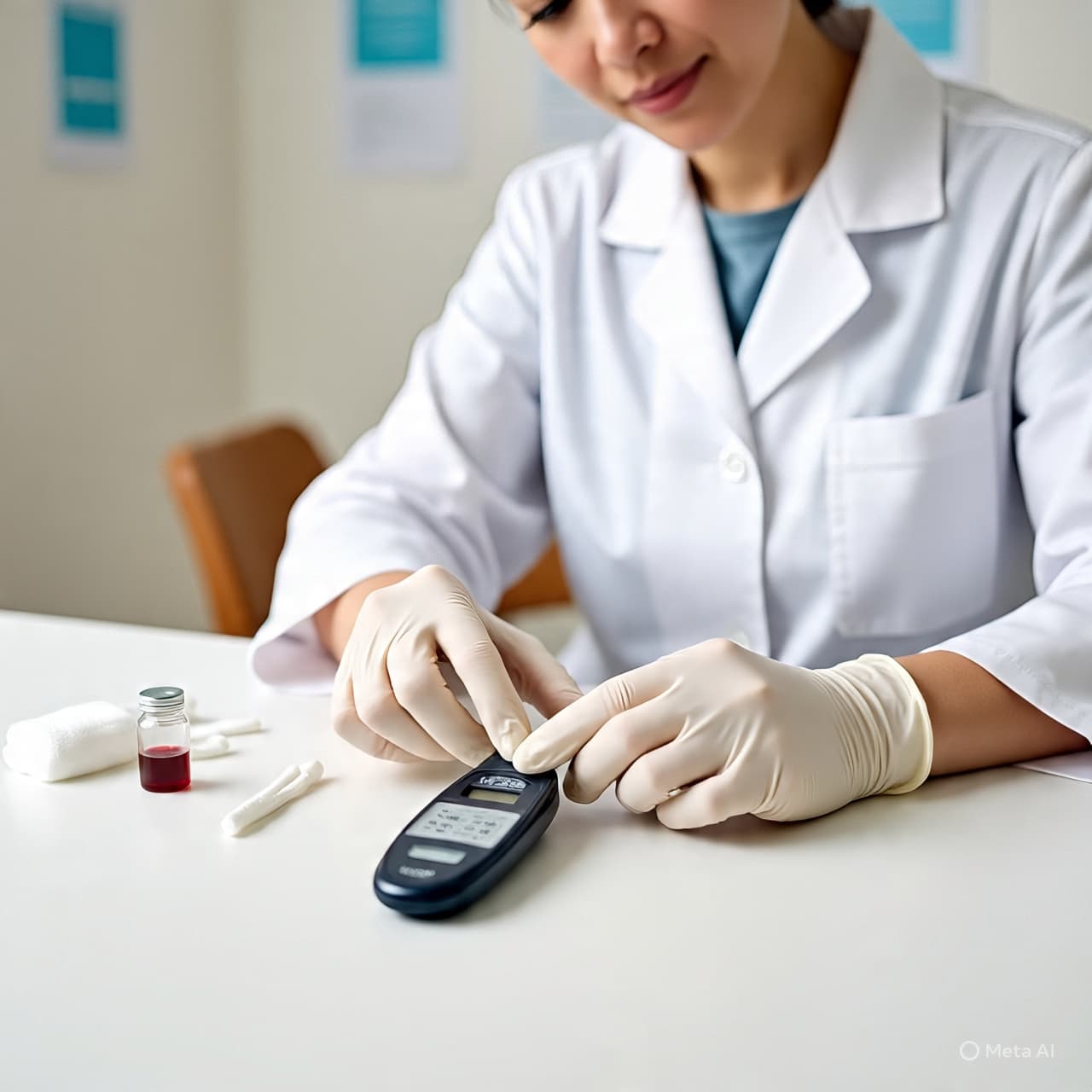
In the quiet moments between finger-sticks and blood sugar readings, many living with diabetes trust their monitoring devices like quiet companions — subtle guides through the daily tides of insulin and nourishment. But today, that trust has been shaken. The FDA has issued a stark alert: some glucose monitors may have misled users, possibly contributing to at least seven deaths and hundreds of serious injuries.
The devices in question are certain sensors belonging to FreeStyle Libre 3 and FreeStyle Libre 3 Plus, made by Abbott Diabetes Care. Internal testing revealed that some of these sensors may produce incorrectly low glucose readings. Over time, such inaccurate data may prompt users to take too much carbohydrate, or skip or delay insulin — well-intentioned decisions, but ones that may carry grave risk.
According to FDA and Abbott reports, roughly three million sensors globally are implicated. As of mid-November 2025, there have been 736 serious adverse events tied to the problem, including the seven deaths and more than 700 injuries worldwide. The United States accounts for dozens of the reported injuries — though no U.S. deaths have yet been listed.
The gravity of the alert lies not only in the numbers — but in what those numbers represent: people who depend on continuous glucose monitors (CGMs) to steer life-and-death decisions about insulin, diet, and daily rhythm. A faulty reading is not a minor glitch; it can translate to a miscalculated insulin dose, a misjudged snack, or a dangerously unchecked blood-sugar drop.
Abbott says it has resolved the manufacturing issue (which it attributes to a single production line) and will supply replacement sensors. The FDA and manufacturer strongly advise that owners of Libre 3 and Libre 3 Plus — whether currently worn or stored — stop using them immediately and check whether they belong to an affected batch. Impacted users can request free replacement devices.
For the diabetes community — patients, caregivers, clinicians — the warning is a sharp reminder that technology, however helpful, is not infallible. Safety nets must include vigilance, double-checking, and readiness to fall back on traditional methods when devices falter.
In the end, this alert offers both a sober caution and a chance to re-examine how we manage a chronic disease underpinned by trust: trust in our devices, our data, and — above all — our own awareness.
AI Image Disclaimer
“Illustrations were produced with AI and serve as conceptual depictions.”
Sources U.S. Food and Drug Administration (early alert); Reuters; CBS News; CNN / WRAL; Health.com
Published by Banx Network. This article is part of the Banx decentralized media programme, powered by the BXE token on the XRP Ledger.