

Key Highlights
- Greenland's strategic importance is rising due to climate change.
- Melting ice opens new shipping routes and resource access.
- Indigenous groups advocate for sustainable development amid global interest.
Greenland, often envisioned as a remote expanse of ice and silence, is increasingly becoming a focal point in global political discussions. The Arctic region, particularly Greenland, is witnessing a surge in attention from governments, researchers, and economic planners as climate change alters its landscape and geopolitical significance. This renewed interest underscores the strategic importance of Greenland in a rapidly changing world.
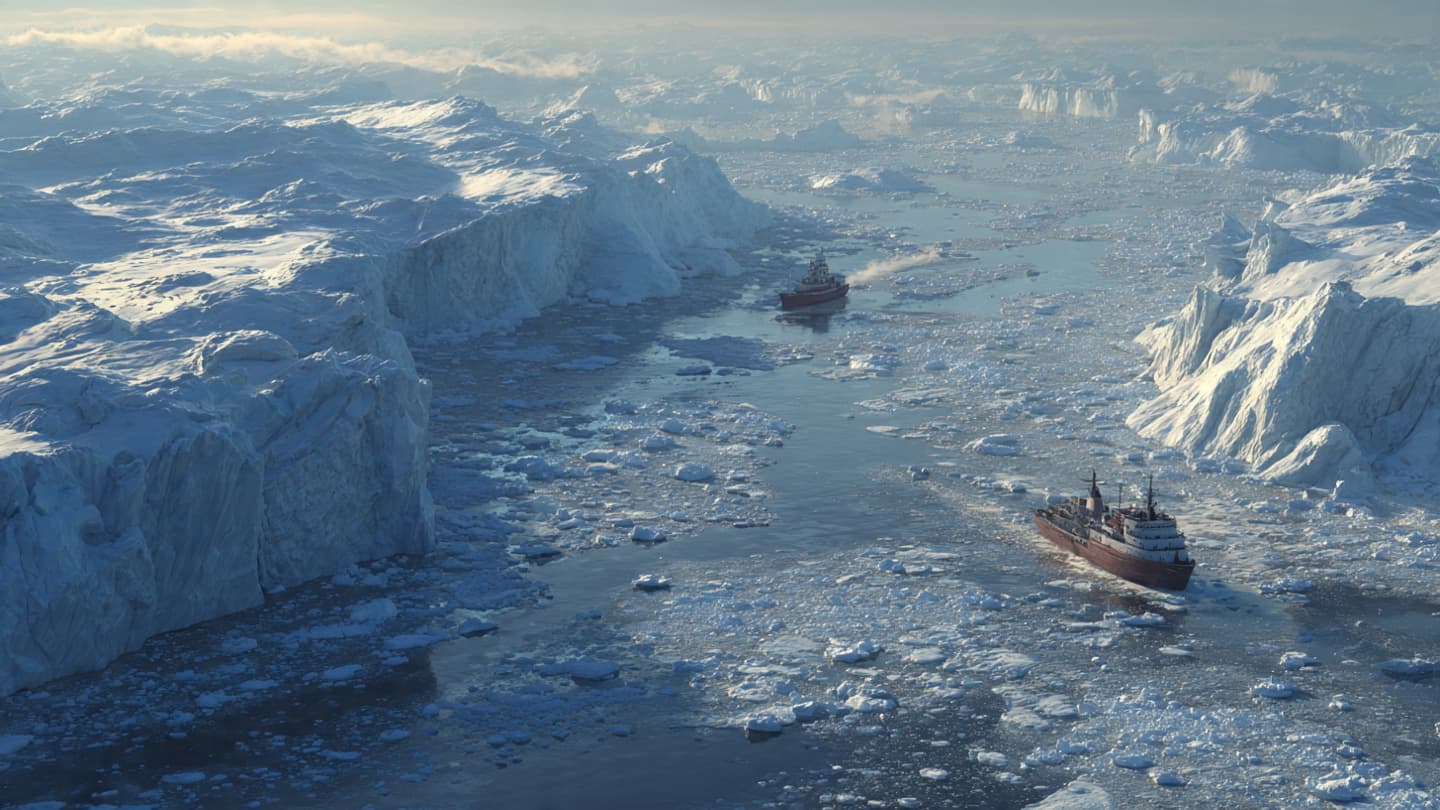
The melting of Arctic sea ice has opened new shipping routes, making previously inaccessible natural resources more reachable. Analysts suggest that these new routes could significantly reduce commercial travel times between Asia, Europe, and North America, potentially reshaping established trade patterns. As nations vie for influence in the Arctic, Greenland's geographic position between North America and Europe enhances its strategic relevance.
Greenland's importance is further amplified by its rich reserves of rare earth minerals and other valuable resources. These materials are crucial for the production of technologies such as electric vehicles and renewable energy systems. Consequently, there is a growing interest from both governments and corporations in developing Arctic resource projects, which could lead to significant economic opportunities for Greenland.
However, the discussions surrounding resource development are intertwined with pressing environmental concerns. Scientists warn that the Arctic is warming at an alarming rate, leading to melting glaciers and shifting ecosystems that threaten local communities and wildlife. Indigenous groups in Greenland have voiced their concerns about the potential impacts of rapid economic development, emphasizing the need for a balance between resource extraction and environmental preservation.
The geopolitical landscape of the Arctic is also evolving, with countries like Russia, China, and the United States increasing their military and diplomatic presence in the region. This heightened competition is not solely about economic interests; it also reflects broader global tensions related to energy, climate, and international influence. Military exercises and infrastructure investments are becoming more common, signaling a shift in how nations view the Arctic.
For the people of Greenland, the influx of global attention presents both opportunities and challenges. While economic investments could enhance infrastructure and create jobs, there are concerns about the implications of external involvement on political autonomy and environmental stewardship. The ongoing debate within Greenland centers on how to navigate these complex issues while ensuring sustainable growth and cultural protection.
As international interest in the Arctic continues to grow, Greenland finds itself at a critical juncture. What was once perceived as a remote and isolated territory is now recognized as a key player in global strategy, trade, and climate policy. The future of Greenland will likely be shaped by the interplay of environmental changes and geopolitical dynamics, making it a region to watch in the coming years.
Published by Banx Network. This article is part of the Banx decentralized media programme, powered by the BXE token on the XRP Ledger.




