There are moments when a city quietly reveals its state of mind not through speeches or statistics, but through something small, almost mundane. A footpath. A fence. A strip of concrete that once existed only to let a car pass. In Australia’s largest cities, where space has become both precious and precarious, even the most ordinary surfaces are beginning to speak. Recently, one such surface spoke loudly enough to capture national attention.
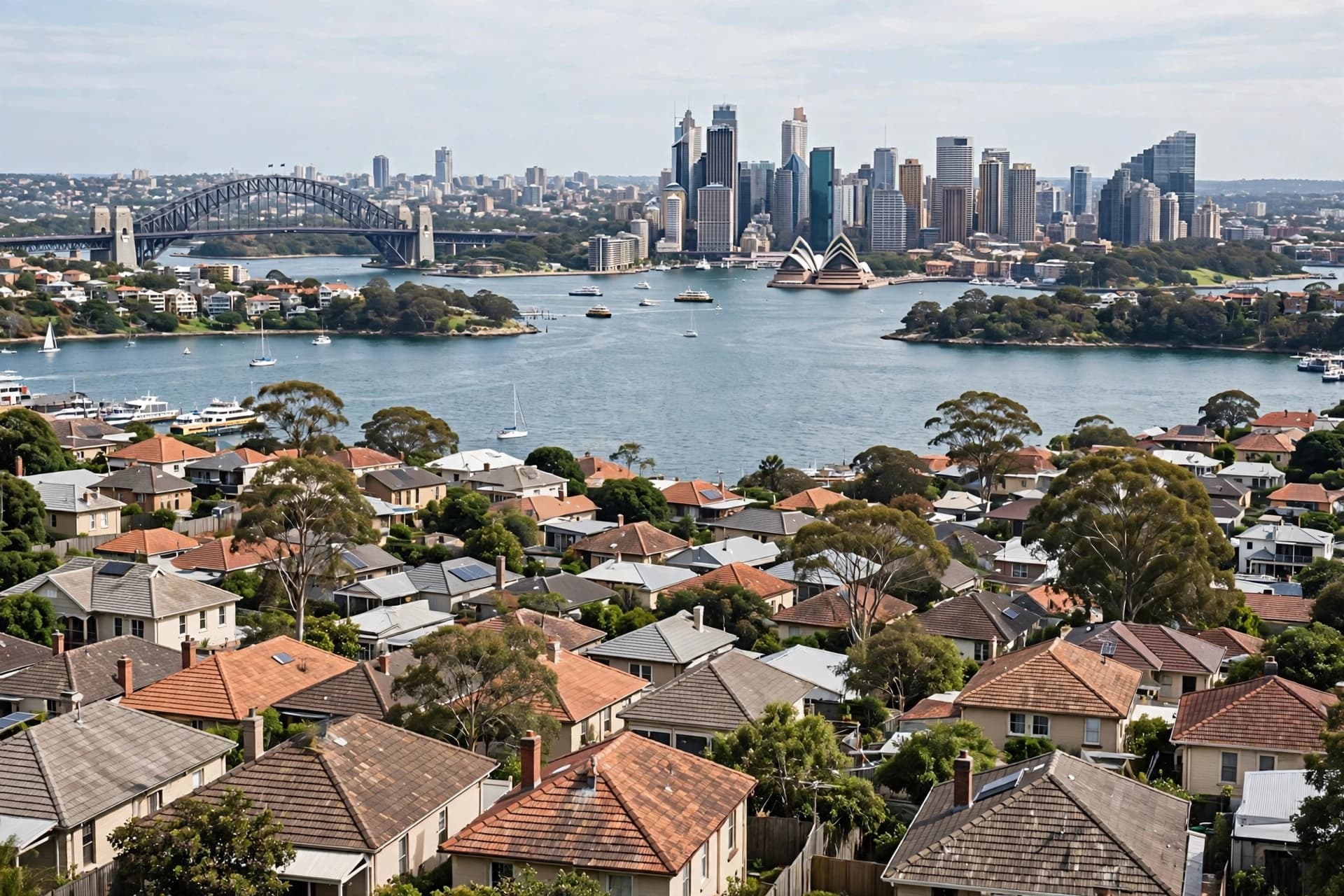
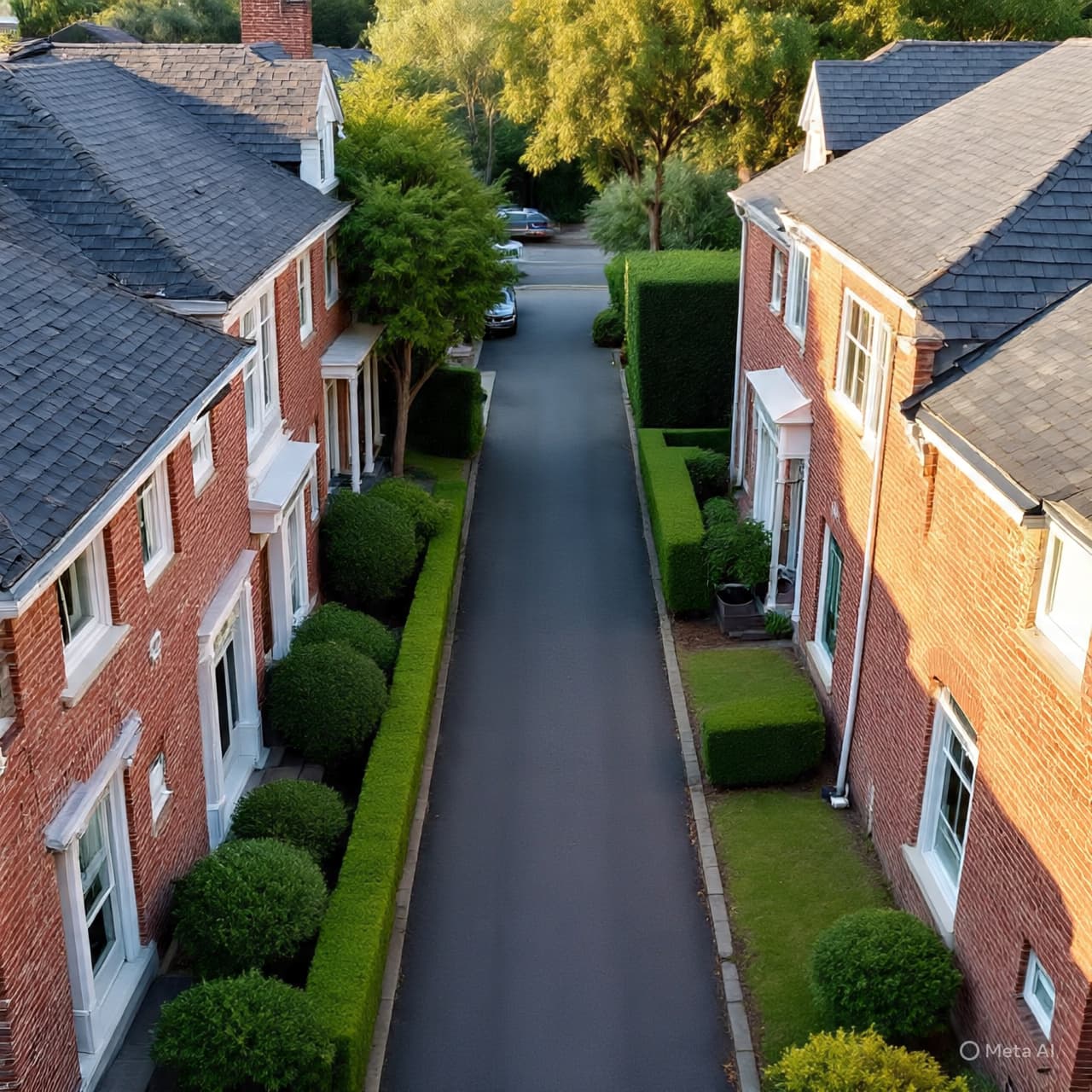
In Sydney’s inner-west suburb of Newtown, a driveway — not a home, not a studio, not even a room — changed hands for about $1.25 million. It measured just over 100 square meters, a narrow parcel wedged between existing properties, with no building standing on it and no immediate promise of one. Yet bidders gathered, numbers climbed, and the hammer eventually fell. The sale did not arrive with fanfare, but it lingered in the public imagination, prompting a mix of disbelief, humor, and quiet concern.
To some, the driveway felt like a punchline, the sort of story that travels quickly through social media feeds accompanied by raised eyebrows and half-smiles. But beneath the novelty lies a softer, more unsettling narrative. Land, not shelter, is now the dominant currency. The value placed on that strip of concrete was not about what it is, but what it might one day become — or, perhaps more tellingly, what it prevents others from having.
Australia’s housing crisis has long been discussed in terms of shortages, affordability, and population growth. These are familiar words, worn smooth by repetition. Yet the driveway sale reframes the conversation in a quieter way. It shows how scarcity has filtered down to its smallest units, how even fragments of urban space are now treated as long-term financial instruments rather than functional places.
For long-term residents, especially renters and younger Australians, the sale landed with a kind of emotional weight. Many struggle to secure a one-bedroom apartment within reasonable distance of work or family. In that context, a million-dollar driveway becomes less absurd and more symbolic — a marker of how far the market has drifted from everyday experience. It is not anger that surfaces first, but fatigue, and a sense that the ground itself is slowly moving out of reach.
Property experts noted that such sales are rare but not entirely unprecedented in tightly held suburbs. Zoning rules, redevelopment potential, and proximity to transport all contribute to valuations that can appear untethered from common sense. From an investor’s perspective, the driveway represents optionality — a future extension, a strategic landholding, or simply a bet on continued price growth. The market, after all, does not trade in sentiment.
And yet cities are more than markets. They are shared environments shaped by invisible agreements about fairness, access, and livability. When a driveway becomes headline news, it suggests those agreements are under strain. Not broken, perhaps, but stretched thin enough to show through the cracks.
The sale does not change housing policy, nor does it resolve debates around supply or planning reform. It simply sits there, quietly concrete, reflecting back a reality many Australians already feel. In the absence of sweeping solutions, stories like this become mirrors rather than outliers.
As the news cycle moves on, the driveway will likely fade from public view. Another auction will take its place, another number will rise. But for a moment, that narrow strip of land asked a broader question — not about value, but about direction. And it did so without shouting, leaving the answer, for now, to the city itself.
AI Image Disclaimer (Rotated) Illustrations were produced with AI and serve as conceptual depictions, not real photographs.
Sources (Source Check) Daily Mail Australia The Guardian Australia ABC News Domain RealEstate.com.au
Published by Banx Network. This article is part of the Banx decentralized media programme, powered by the BXE token on the XRP Ledger.