
Key Highlights
- UK Prime Minister Keir Starmer emphasizes restraint in Iran conflict.
- EU leaders rule out deploying warships to the region.
- Diplomatic channels prioritized over military action.
In the tranquil morning light of London, the river flows steadily, contrasting sharply with the turbulent political currents surrounding the United Kingdom. As commuters traverse the bridges and the city hums with life, the backdrop of escalating tensions with Iran looms large, yet the UK government has chosen a path of restraint. Prime Minister Keir Starmer has made it clear that Britain will not engage directly in the conflict, opting instead for a cautious approach that reflects both domestic and international considerations.
Starmer's recent statements underscore a deliberate decision to keep the UK at a distance from the unfolding crisis. This stance is not merely a reaction to external pressures but is also informed by lessons learned from past military interventions. The Prime Minister's emphasis on restraint signals a commitment to avoiding escalation, even as the situation in Iran continues to evolve rapidly.
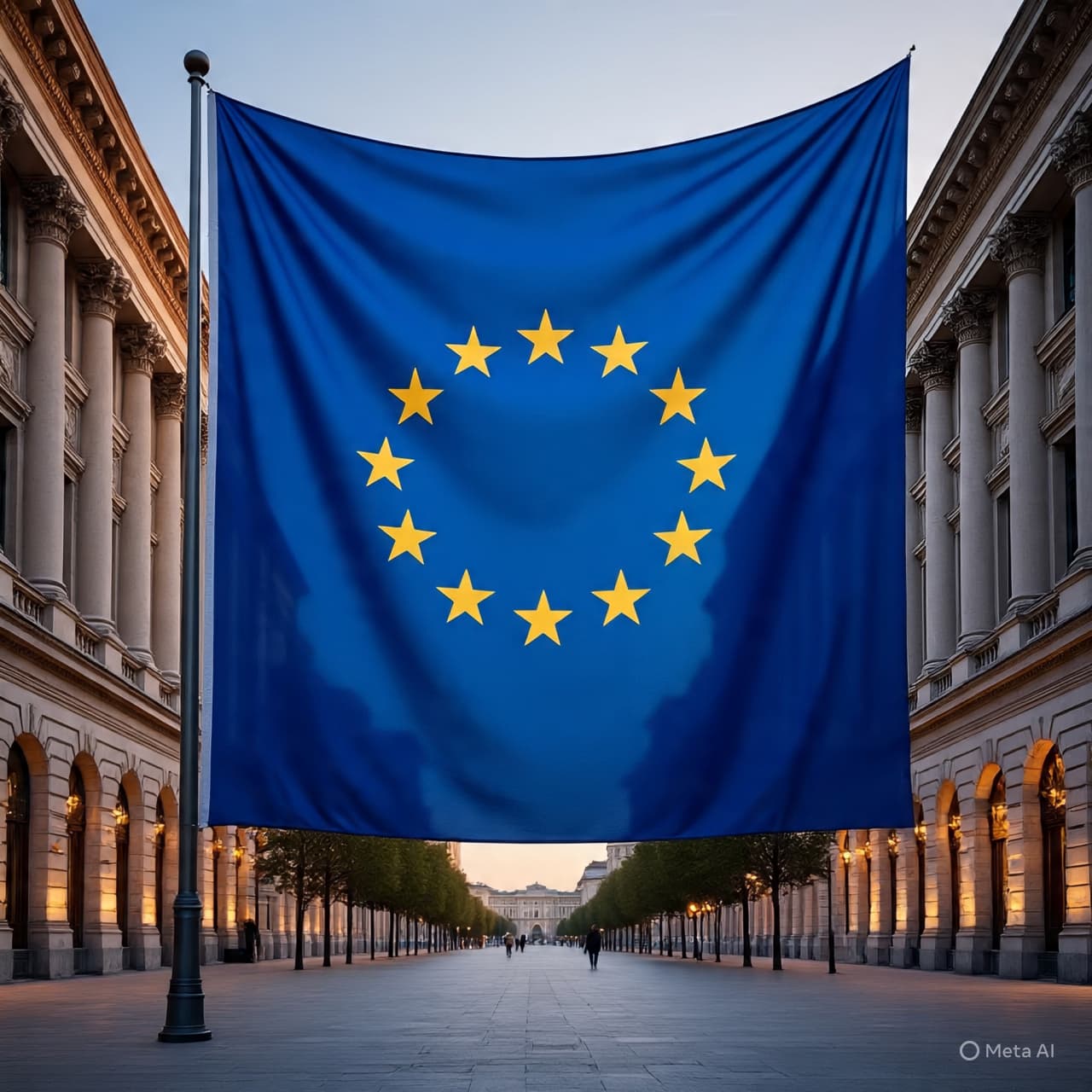
Across the European Union, a similar sentiment prevails. EU leaders have collectively decided against deploying warships to the region, reinforcing a preference for diplomatic engagement over military action. This approach highlights a broader strategy of coordination and dialogue, as European governments navigate the complexities of regional dynamics and the potential consequences of military involvement.
The absence of naval deployments serves as a powerful statement in itself. It reflects an understanding that restraint can be an active choice, one that prioritizes stability and diplomatic solutions over immediate military responses. Policymakers are acutely aware of the risks associated with escalation, and the decision to keep warships at bay is indicative of a careful calibration of response in a landscape where every action carries significant weight.
As the situation in Iran continues to develop, the UK and EU's cautious approach is rooted in both geographical proximity and the broader implications of their involvement. The region's instability is a matter of concern for European governments, yet their strategy leans towards measured engagement rather than direct intervention. This nuanced positioning allows for participation through dialogue and the use of political and economic tools, rather than military force.
Domestically, the UK government's stance reflects public sentiment and institutional priorities. The lessons of previous military engagements weigh heavily on the minds of policymakers, shaping a posture that favors caution. Starmer's decision to distance the UK from direct involvement in the Iran conflict is not only a response to external events but also a reflection of the internal discourse on the role the country wishes to play on the global stage.
As the day unfolds and the river continues its steady course, the absence of military movement in distant waters becomes part of the narrative. In a world often defined by action, moments of stillness can carry profound meaning. The UK and EU's choice to prioritize restraint over military escalation resonates deeply, illustrating that sometimes, the most significant decisions are those that involve not acting at all.
Published by Banx Network. This article is part of the Banx decentralized media programme, powered by the BXE token on the XRP Ledger.



