October in Southern California is usually a gentle month, a time when the coastal fog lingers a little longer and the heat of summer begins to loosen its grip. This year, that rhythm has been broken. What has arrived instead is a heat wave of unusual duration and intensity—one that forecasters describe in language rarely used for autumn, and one that carries dangers for anyone who ventures onto the region's highways.
The National Weather Service has issued an Extreme Heat Warning for much of Santa Barbara, Ventura, and Los Angeles counties, with temperatures expected to run 15 to 20 degrees above normal through at least the coming week. Valley highs are forecast to reach 102 to 107 degrees, downtown Los Angeles 99 to 103, and even coastal areas from Santa Barbara southward could see the 90s.
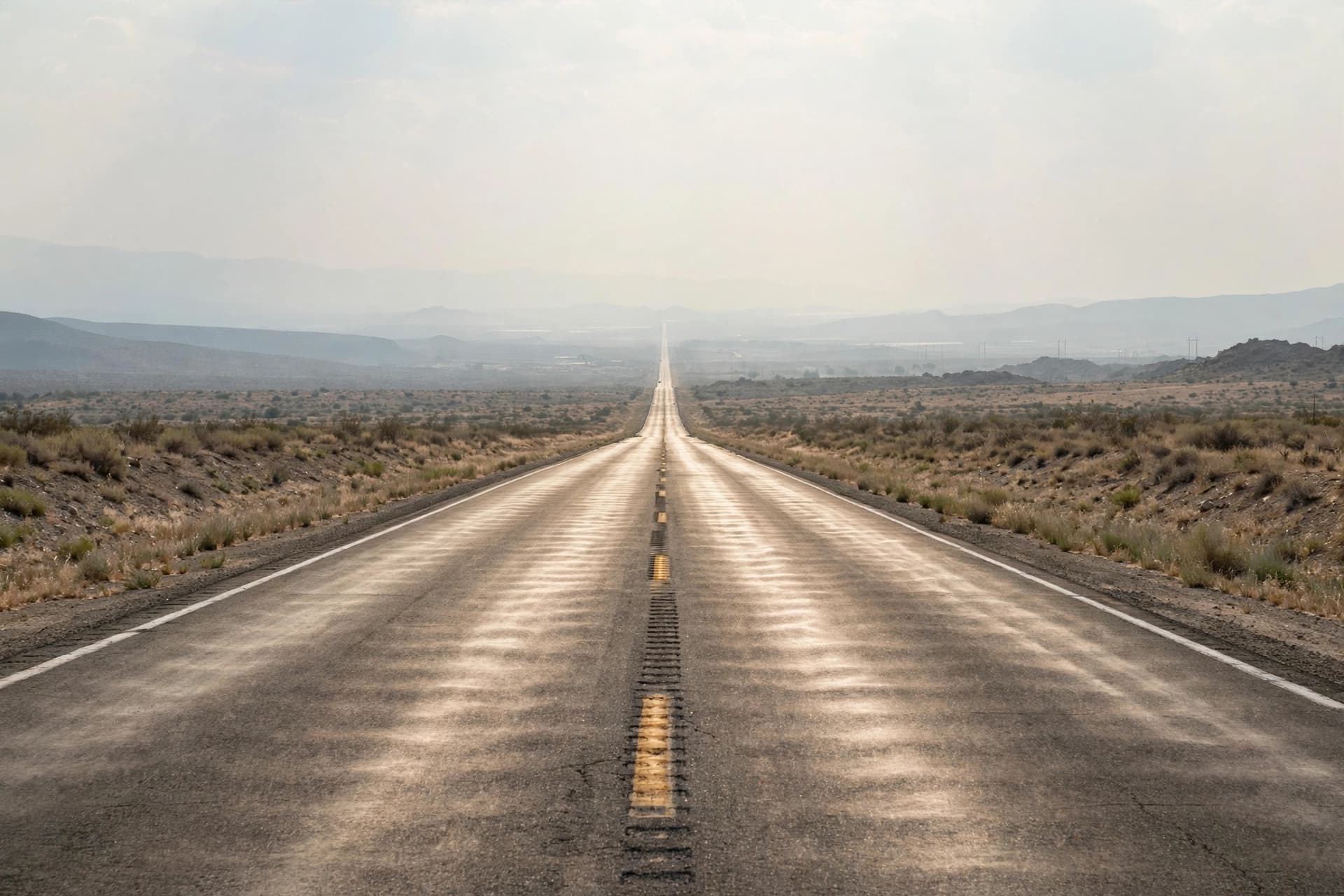
For drivers, the heat is not merely uncomfortable. It is hazardous in ways that are easy to overlook. Asphalt temperatures can exceed 150 degrees, raising the risk of tire blowouts and overheating engines. The National Weather Service has warned of a high risk of large and fast-moving fires in valleys and mountains, which can send smoke and ash across roadways with little warning.
The heat has already broken records. Santa Ana reached 107 degrees Fahrenheit, surpassing a daily record set in 2014. Vista hit 108, and San Diego International Airport recorded 105 degrees—a mark that had stood since 1987, and about 29 degrees above normal for the date. More than 34 million Californians are under heat warnings or advisories, and officials are urging residents to limit outdoor activity, especially during the hottest hours of the afternoon.
Wildfires are adding another layer of concern. As of the weekend, CAL FIRE was tracking several active incidents, including the Bouquet Fire in Los Angeles County and the Dome Fire in Mariposa County. Smoke from these fires can degrade air quality across wide areas, with fine particulate matter penetrating deep into the lungs and posing particular risks to children, older adults, and those with heart or lung conditions.
The combination of extreme heat, dry vegetation, and gusty winds has created conditions that fire officials describe as volatile. Drivers are advised to carry water, check their tires and coolant levels before traveling, and avoid parking on dry grass, where a hot catalytic converter can spark a blaze.
Health officials also caution that heat exhaustion and heat stroke can develop quickly, even for those who consider themselves accustomed to California summers. Symptoms include dizziness, nausea, and confusion, and anyone experiencing them should seek shade and hydration immediately.
The heat is expected to persist through at least Thursday, with little relief overnight as temperatures remain in the 70s in many urban areas. For now, the best advice is the simplest: stay indoors when possible, check on neighbors and relatives who live alone, and treat the roads with the caution that extreme conditions demand.
AI Image Disclaimer: The imagery accompanying this report is generated by AI and intended solely for illustrative purposes.
Sources: Xinhua, National Weather Service, China Daily, Qazinform, CAL FIRE
Published by Banx Network. This article is part of the Banx decentralized media programme, powered by the BXE token on the XRP Ledger.