There are moments when the quiet measures of everyday life are interrupted by events so profound that their echoes are felt for years — in memorials, in public debate and in the very way a community holds its breath at the memory of loss. For Uvalde, Texas, the tragic shooting at Robb Elementary School on May 24, 2022, is such a moment, when nineteen children and two teachers were killed and families were left grappling with both grief and questions that have not gone away. Now, more than three years since that massacre, the first criminal trial related to law enforcement’s delayed response is set to begin.
Former Uvalde school district police officer Adrian Gonzales is due to stand trial beginning this week in Corpus Christi, Texas, on multiple charges including child endangerment and abandonment. Prosecutors allege that Gonzales — who was among the first officers to arrive at the scene — failed to follow his active shooter training by not advancing toward the shooter and confronting the danger, thus placing children in “imminent danger” of injury or death.
The charges stem from one of the most contentious aspects of the shooting: a 77-minute delay before officers breached the classroom where the gunman, Salvador Ramos, was killing students and teachers, despite reports that responders were alerted to the situation and heard gunfire. Multiple state and federal reviews have since catalogued deficiencies in training, communication and leadership among the responding officers, raising difficult questions about how and why the response unfolded as it did.
Gonzales’s defense — led by attorney Nico LaHood — maintains that the former officer was focused on helping children escape rather than standing idle, and insists that the narrative of negligence will be fiercely contested in court. LaHood said Gonzales “knows where his heart was,” underscoring a key tension in the trial: how to weigh an officer’s intent against the tragic consequences of actions or inaction.
This trial is historically rare in the United States. It is unusual for a law enforcement officer to face criminal charges specifically for inaction in the face of a violent crime, as compared with misconduct or excessive force. Legal experts note that convictions for failing to take action are difficult to secure because prosecutors must show not just poor judgment, but that the officer’s conduct rose to criminal negligence under the law.
Only one other officer among the nearly 400 law enforcement personnel who responded that day — former Uvalde schools police chief Pete Arredondo — has been charged in connection with the response, although his trial has not yet been scheduled. For many families of the victims, seeing any officer held to account has been a long-sought form of justice, especially after legislative efforts on gun control stalled and civil lawsuits remain unresolved.
The decision to move the trial out of Uvalde — to Corpus Christi, about 200 miles away — reflects concerns about finding an impartial jury in a community where grief, controversy and political divides continue to run deep. Some locals believe the change of venue helps preserve calm; others feel it distances proceedings from the place where the tragedy occurred.
As jury selection gets underway, the eyes of both Uvalde families and the broader nation are on a courtroom that may offer one of the few opportunities to confront the legal questions born of that day. Whether the trial will satisfy long-held demands for accountability — or leave unanswered the deeper societal conversations it has ignited — remains to be seen.
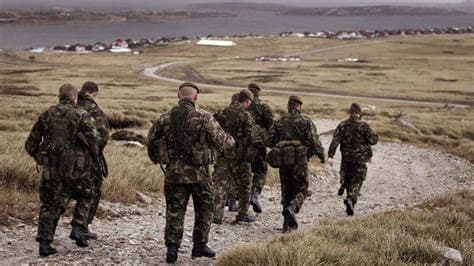
AI Image Disclaimer Visuals are AI-generated illustrations intended for representation and conceptual context, not actual photographs.
Sources Associated Press (news on trial) Reuters coverage of Uvalde response and trial context ClickOrlando / AP syndicated reporting on delays and charges
Published by Banx Network. This article is part of the Banx decentralized media programme, powered by the BXE token on the XRP Ledger.