

Key Highlights
- Fuel prices in remote Northern Territory communities are rising, impacting daily life.
- Residents are calling for government action on fuel security and price relief.
- The region faces unique challenges due to its remoteness and reliance on imported fuel.
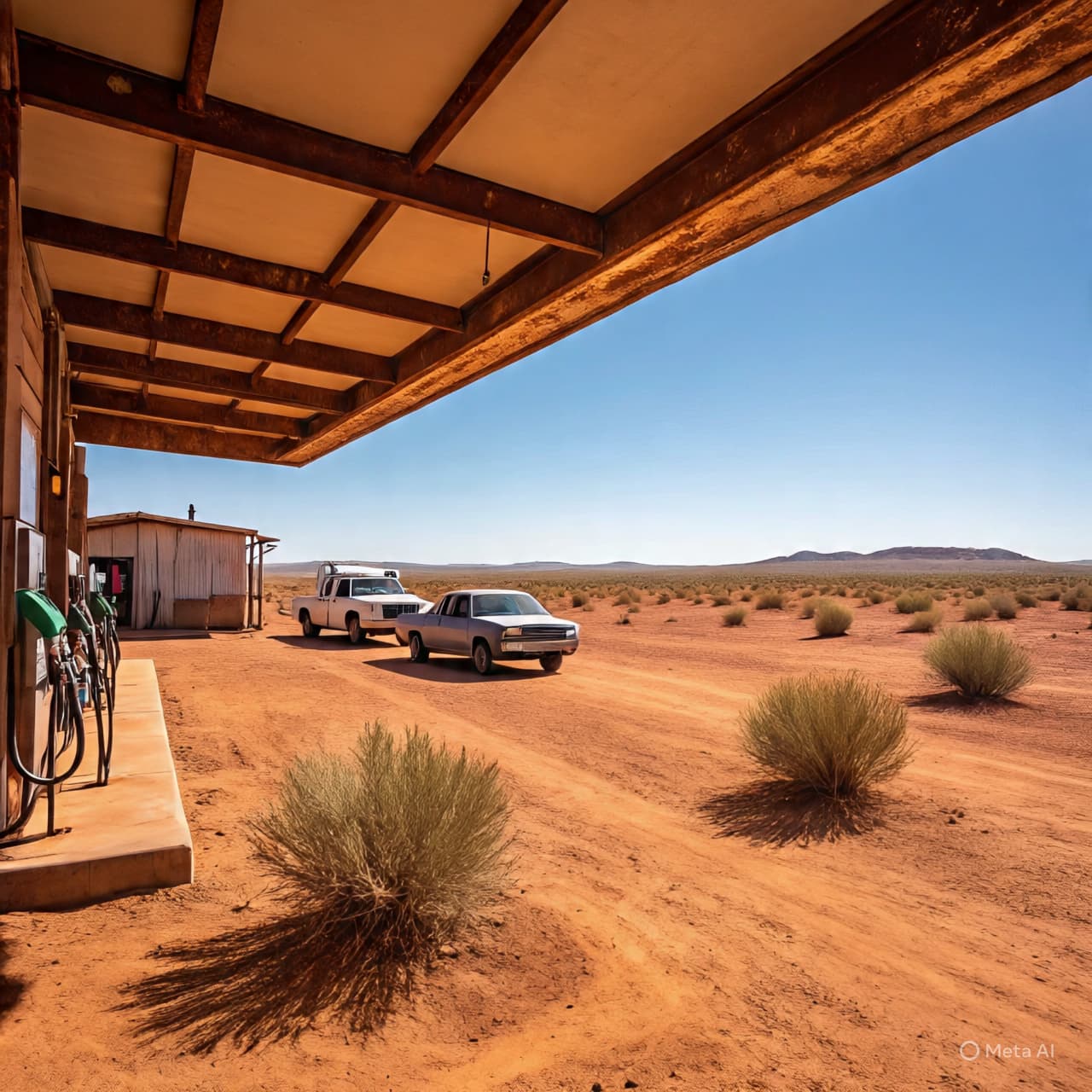
In remote places, fuel is more than just a commodity; it is essential for daily life. In Australia’s Northern Territory, communities are increasingly vocal about their need for fuel security as costs rise and supply concerns deepen. Leaders and residents are appealing to the government for stronger guarantees and relief measures as energy prices continue to climb.
For settlements spread across vast distances, the impact of fuel prices is felt more acutely than in major cities. Diesel and petrol are not only used to power generators but also to transport goods and support essential services in areas where alternatives are limited. As prices increase sharply, the ramifications extend to household budgets, food deliveries, healthcare logistics, and local business operations, creating a ripple effect throughout these communities.
Community representatives emphasize that the issue is not solely about affordability; it is also about reliability. In regions vulnerable to weather disruptions, long freight routes, and thin supply margins, delays or shortages can quickly escalate into broader social pressures. The Northern Territory has long faced structural challenges tied to its remoteness, including high freight costs, lower competition, and a heavy dependence on imported or transported fuel, which creates a pricing environment starkly different from metropolitan centers.
Calls for government action include proposals for subsidies, emergency reserve planning, and stronger oversight of supply chains. Advocates are also pushing for investment in renewable energy solutions such as solar, battery storage, and hybrid systems that could reduce long-term reliance on delivered fuel. These measures could not only stabilize prices but also enhance energy security for remote communities.
Energy policy in remote Australia often sits at the intersection of economics and equity. What may be perceived as a market issue in urban areas can feel like a cost-of-living emergency in remote regions, particularly where incomes are lower and options are fewer. The broader debate reflects national concerns over inflation, regional services, and the balance governments must strike between immediate relief and long-term infrastructure planning for resilience.
As pressure grows for practical responses, officials are expected to continue discussions with affected communities. For many residents, the request is straightforward: they seek dependable supply, manageable prices, and a fairer share of energy security. The outcome of these discussions could significantly impact the quality of life in these remote areas, where every liter of fuel carries weight.
Published by Banx Network. This article is part of the Banx decentralized media programme, powered by the BXE token on the XRP Ledger.




