There is a stillness in shallow reef water before dawn, as if the sea itself exhales gently before the light begins to dance on its surface. Tiny fish weave through coral branches in serene passage, their movements part of rhythms older than most human minds can imagine. These small lives, shaped by currents and tides, carry within them ancient legacies — instincts honed by survival, patterns of motion set by the turning of the world.
Yet when those fish encounter something new — a reflection that seems both familiar and not — something remarkable can emerge. In recent research, scientists studying Labroides dimidiatus, the cleaner wrasse, have observed behavior that challenges long‑held assumptions about fish cognition and self‑awareness. These little reef dwellers, known for picking parasites off larger fish, responded to mirrors not with mere curiosity, but with behaviors that suggest a deeper engagement with their own image and the nature of reflection itself.
Earlier mirror tests conducted across the animal kingdom measured responses to reflected images as a proxy for self‑recognition — typically seen in certain mammals and birds. What happened with the cleaner wrasse startled researchers. When the fish were marked with fake spots resembling parasites and then shown a mirror, they did more than swim about. Many quickly approached the mirror and attempted to remove the marks from their own bodies, a sign of recognizing that the reflection corresponded to themselves. Even more intriguing was a behavior described as “contingency testing”: some fish deliberately picked up small food items and released them in front of the mirror, watching how those objects appeared and moved in the reflection, and interacting with the glass surface in ways that suggest exploration rather than mere instinctive reaction.
Such behaviors are not simply reflexive or conditioned responses; they resonate with patterns seen in species we often think of as highly intelligent. Dolphins and manta rays, for example, have been documented using bubbles and other strategies to probe their reflections and understand how mirrored images relate to reality. That a reef fish might engage in similar forms of contingency exploration nudges at traditional boundaries in how scientists classify cognitive sophistication.
The implications ripple outward. If small fish with compact nervous systems can exhibit forms of self‑referential behavior previously associated largely with mammals or large marine vertebrates, then the evolution of intelligence may be more nuanced and widespread than assumed. Previous research also points to social intelligence in wild cleaner fish: individuals with relatively larger forebrains scored higher on tests of social competence, suggesting that brain morphology correlates with complex decision‑making in fishes too.
This softening of hard categorical lines invites reflection on how life adapts and perceives. Fish have long been recognized for agile motion, camouflage, and social interactions in shifting aquatic worlds. Now, in quiet interactions with their mirrored images, they hint at capacities that ripple outward into our understanding of cognition itself — how beings sense themselves and relate to the world around them.
The study’s findings were detailed by researchers at Osaka Metropolitan University. Scientists emphasize that these behaviors reflect adaptive neural processing rather than human‑like self‑consciousness, yet they open new avenues for exploring how awareness and self‑referential cognition may occur across a wider range of species.
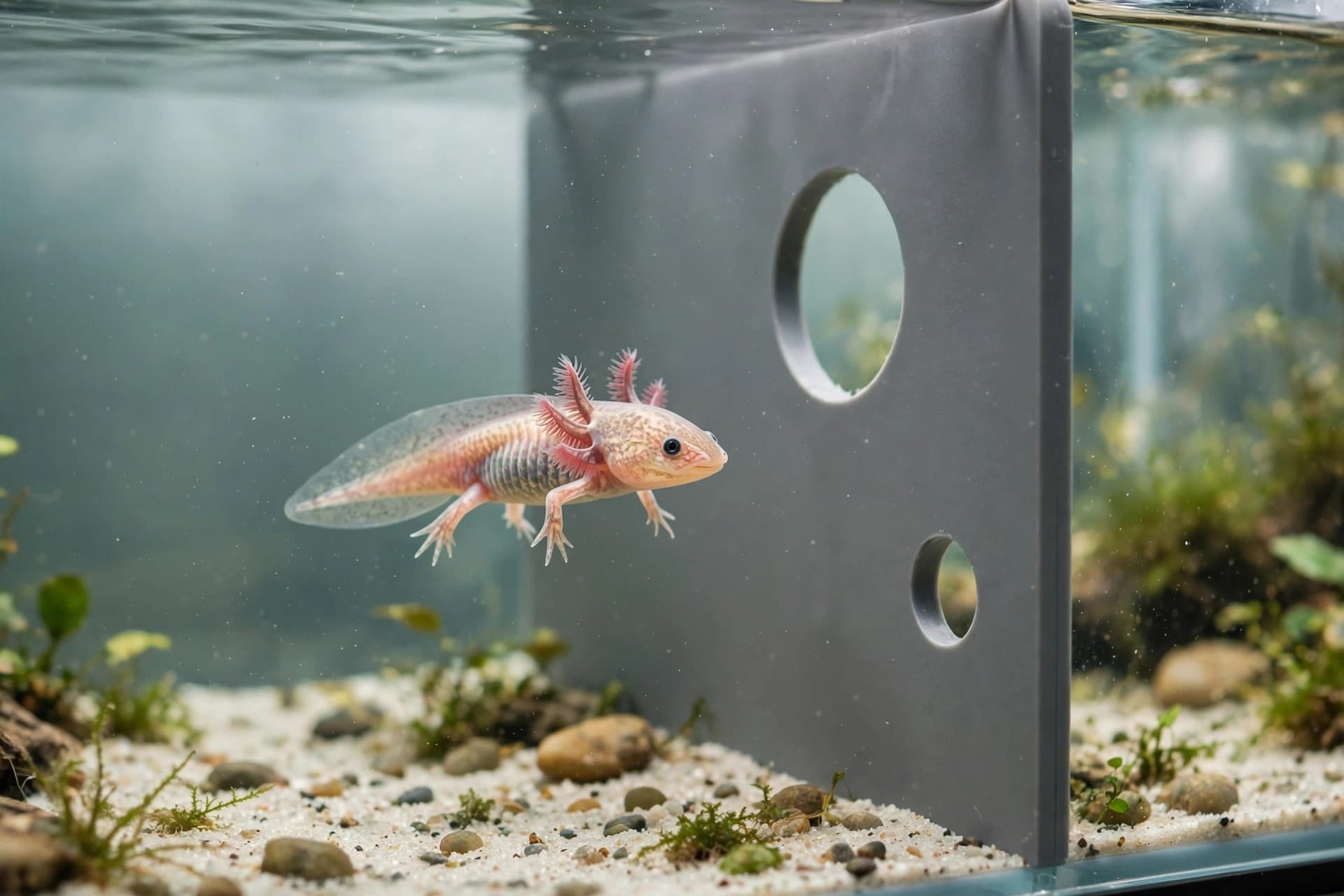
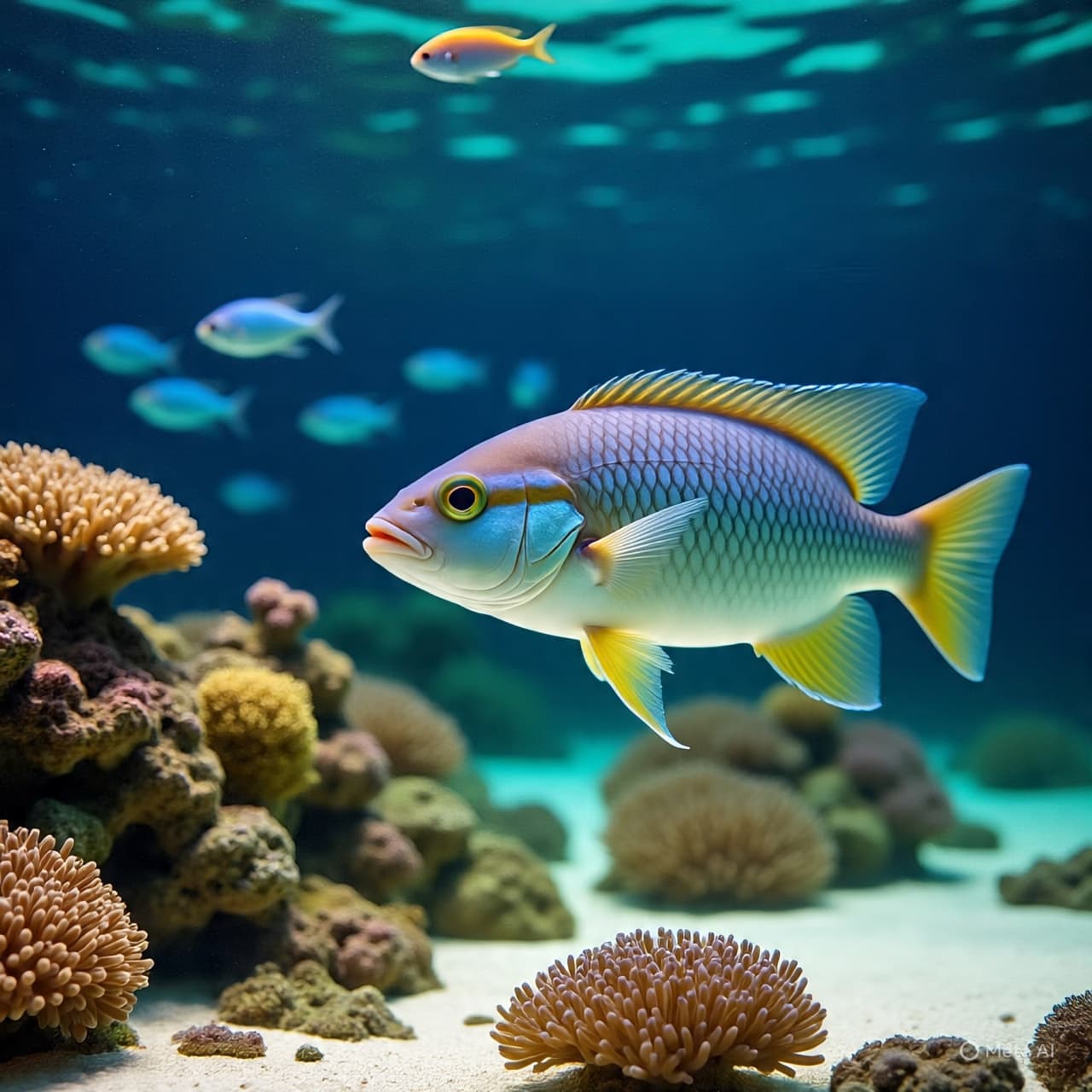
Illustrations were created using AI tools and serve as conceptual representations.
Sources (Media Names Only)
SciTechDaily ScienceDaily The Debrief Discover Magazine EurekAlert!
Published by Banx Network. This article is part of the Banx decentralized media programme, powered by the BXE token on the XRP Ledger.