

Key Highlights
- Event:VivaTech 2026 showcased cutting-edge AI and robotics.
- Focus:Emphasis on ethical governance and industry integration.
- Participation:Startups and major tech companies collaborated.
VivaTech 2026, held in Paris, has emerged as a pivotal event in the technology calendar, drawing innovators, entrepreneurs, and policymakers from around the globe. This year's exhibition highlighted the rapid advancements in artificial intelligence (AI) and robotics, showcasing how these technologies are reshaping various sectors. As attendees explored the latest innovations, it became clear that the future of technology is increasingly intertwined with AI and robotics.
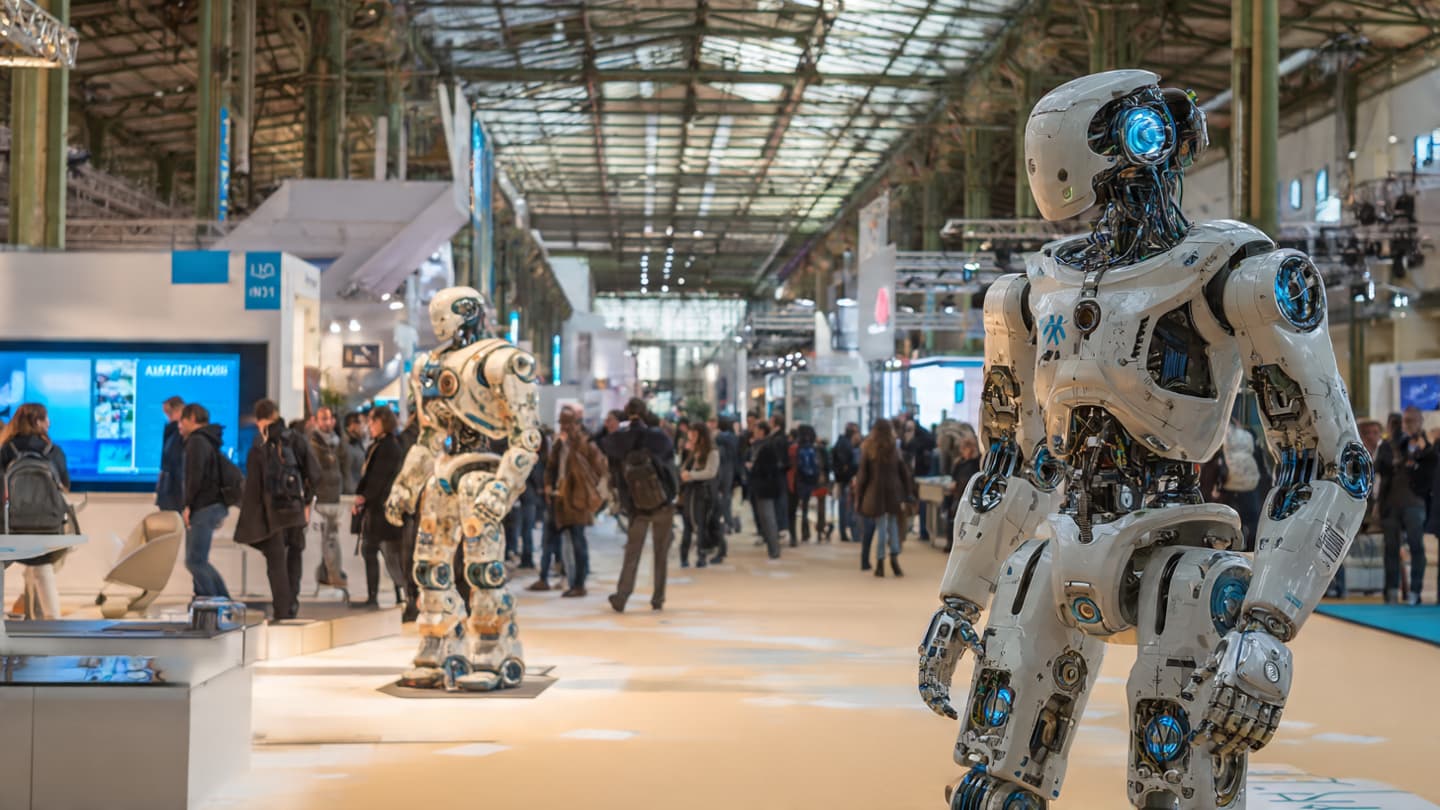
The annual event has solidified its reputation as one of Europe's leading technology exhibitions. This year, the focus was particularly on AI advancements, autonomous systems, and robotics, reflecting the swift pace of technological evolution. Exhibitors presented a diverse array of innovations, including generative AI platforms, industrial automation tools, and humanoid robots designed for applications in healthcare, logistics, and customer service.
Startups shared the spotlight with established global technology companies, illustrating the widespread integration of AI across industries such as education, manufacturing, finance, and environmental management. This collaboration between emerging and established players underscores the dynamic nature of the tech landscape, where innovation is driven by both new ideas and established expertise.
In addition to showcasing technological advancements, the conference sessions delved into critical discussions surrounding AI governance, ethics, and regulation. Policymakers and researchers emphasized the necessity of ensuring that technological progress is transparent, accountable, and beneficial to society. These discussions are vital as the implications of AI and robotics extend beyond mere functionality to encompass ethical considerations and societal impacts.
Robotics, in particular, garnered significant attention throughout the exhibition. Demonstrations highlighted remarkable advancements in machine perception, mobility, and human-robot interaction. These innovations suggest that robots may increasingly play a role in both industrial environments and everyday life, assisting in tasks that range from manufacturing to personal care.
Industry experts noted that Europe has a unique opportunity to lead in developing responsible AI frameworks while fostering innovation. The challenge lies in balancing competitiveness with public trust, a theme that resonated throughout policy discussions at the event. As AI technologies continue to evolve, ensuring that they are developed and deployed responsibly will be crucial for maintaining public confidence.
Visitor feedback reflected a mix of enthusiasm and concern regarding the technologies on display. While many attendees expressed excitement about the potential of AI and robotics, there were also acknowledgments of ongoing issues related to employment, privacy, and cybersecurity. These debates are expected to persist as the adoption of these technologies expands across various sectors.
As VivaTech 2026 came to a close, it became evident that artificial intelligence and robotics are no longer distant concepts relegated to the realm of science fiction. Instead, they are becoming integral components of contemporary economic and social life, shaping the future one innovation at a time. The event served as a reminder of the transformative power of technology and the importance of navigating its challenges thoughtfully.
AI Image Disclaimer: Visual materials accompanying this article have been generated using AI for illustrative and editorial purposes.
Published by Banx Network. This article is part of the Banx decentralized media programme, powered by the BXE token on the XRP Ledger.




