Each time our fingers brush against the world — feeling edges, gripping tools, or tracing lines across a surface — there is a silent history beneath that contact. These slender appendages, so intimate in daily life, may hold clues not just to how we interact with our environment but also to how our remarkable brains came to be.
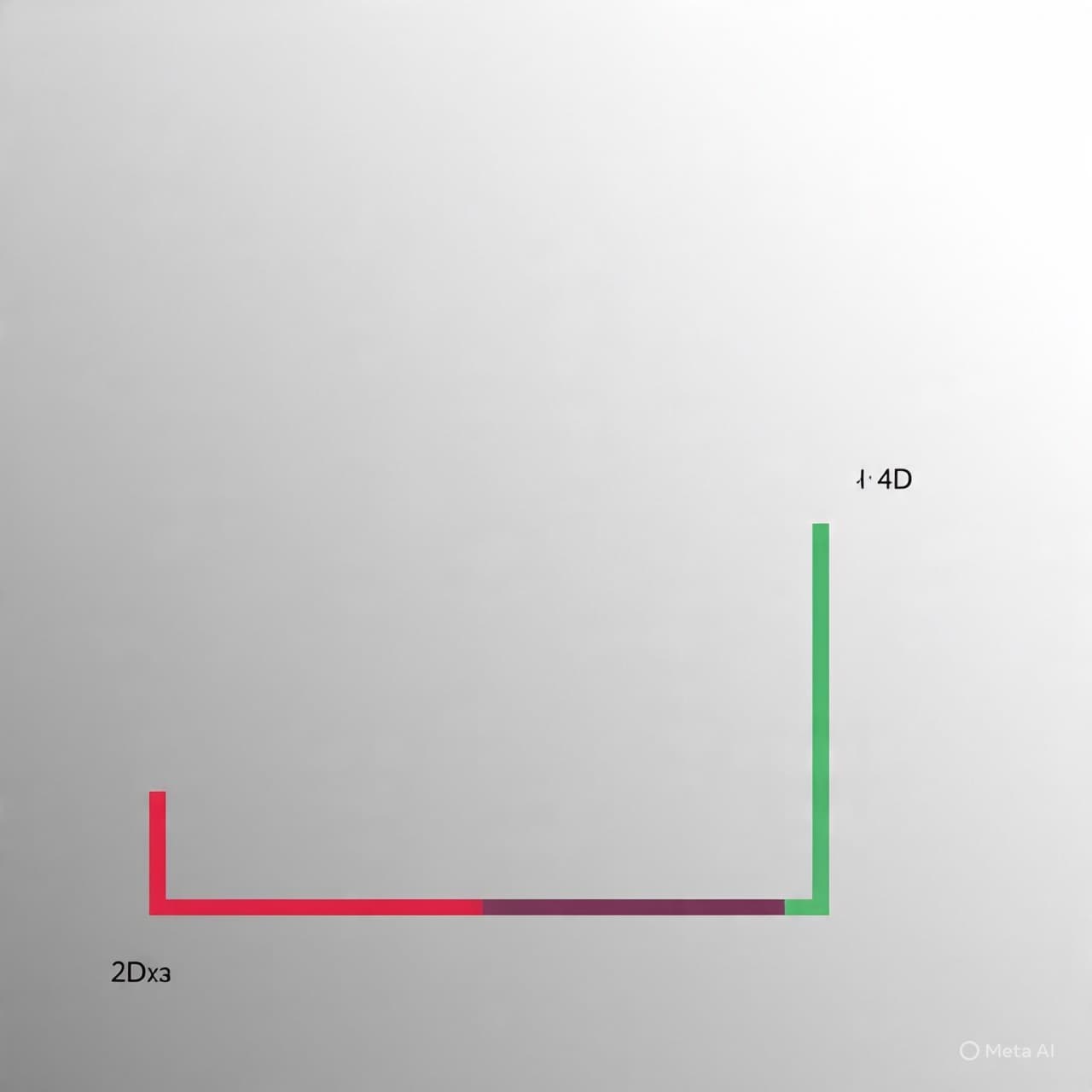
Scientists studying early human development have uncovered suggestive evidence that a simple measure — the relative lengths of the index and ring fingers, known as the 2D:4D ratio — may reflect critical hormonal influences on brain growth before birth. This ratio, observable even before a child enters the world, appears to carry a whisper of evolutionary history.
In a study of 225 newborns, researchers found that boys with a relatively longer index finger compared to the ring finger tended to have larger head sizes — a proxy for early brain development — when prenatal estrogen exposure was higher. These findings are grounded in years of research on how prenatal hormone environments shape physical and neurological outcomes.
Head size in newborns correlates with measures of early brain growth and, over a lifetime, with aspects of cognitive development. The research suggests that certain hormonal balances in the womb might have nudged ancestral humans toward larger brains — a hallmark of our evolutionary journey. While the pattern appeared strong in the study’s boys, it was not observed in girls, highlighting how complex these biological pathways can be.
Beyond the specific findings, this work touches on a broader evolutionary narrative known as the “estrogenized ape hypothesis,” which links increases in brain size with shifts in skeletal and hormonal traits over millions of years. Higher prenatal estrogen, while potentially contributing to brain growth, may also be associated with health trade-offs later in life, such as cardiovascular risks or fertility effects.
The beauty of this research lies not just in its scientific insight but in its poetic simplicity: that a trait as humble as finger length might reflect deep currents of human history, shaping the minds that think, imagine, and wonder. In the story of who we are, our fingers may indeed hold a secret chapter of our evolutionary past.
AI Image Disclaimer “Visuals are created with AI tools and are not real photographs.”
Sources SciTechDaily Click Petróleo e Gás ScienceDaily summary of Swansea University research The Daily Guardian newspaper summary SciTechDaily biology news review
Published by Banx Network. This article is part of the Banx decentralized media programme, powered by the BXE token on the XRP Ledger.