
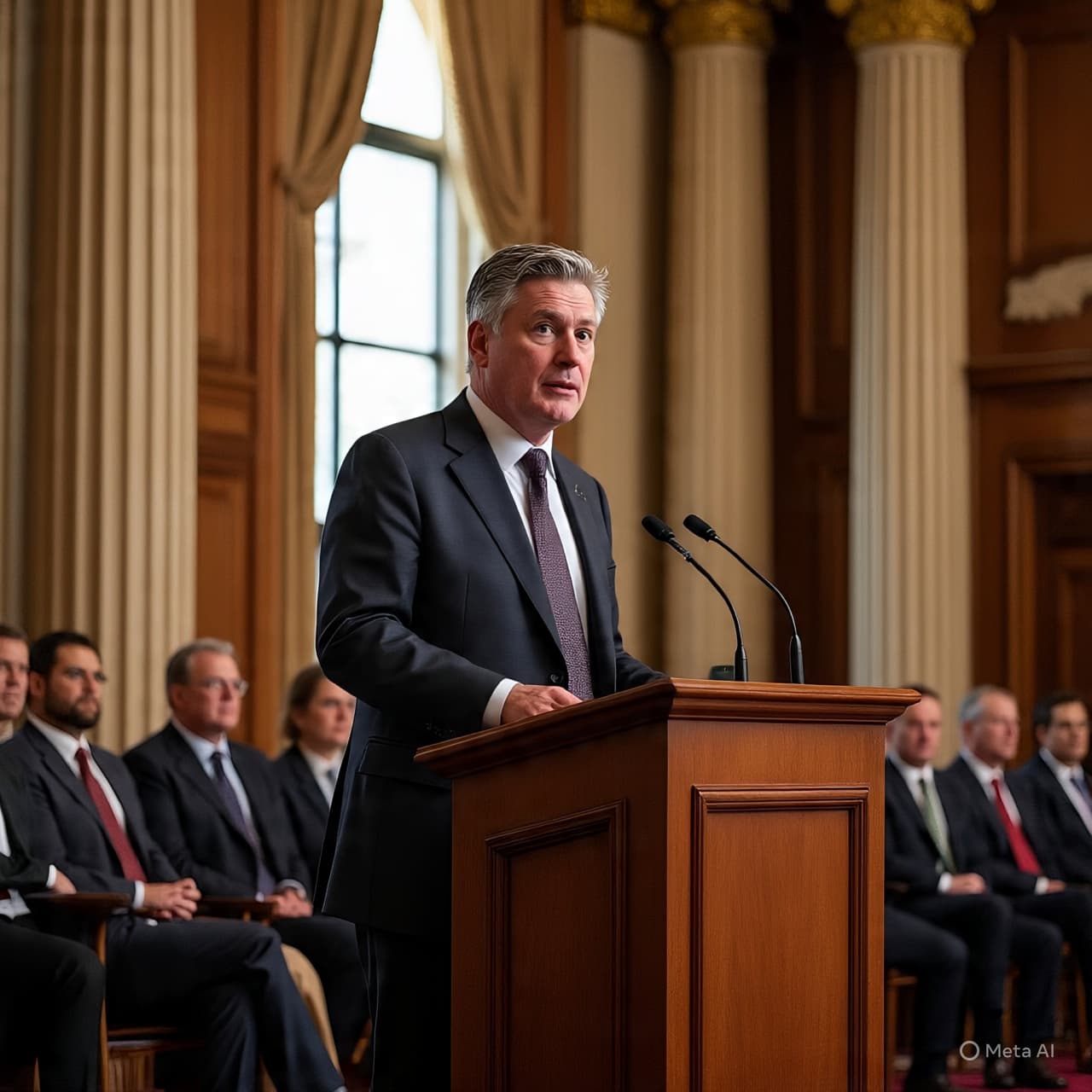
Key Highlights
- Event:The 62nd Munich Security Conference convenes in mid-February.
- Focus:European leaders discuss the need for enhanced readiness amid geopolitical tensions.
- Key Speaker:UK Prime Minister Sir Keir Starmer emphasizes Europe's responsibility for its own security.
The 62nd Munich Security Conference, held in mid-February, has become a pivotal gathering for world leaders to address pressing global security issues. Set against the backdrop of Munich's winter light, the conference serves as a platform for dialogue on the evolving geopolitical landscape, particularly in relation to Russia's ongoing aggression in Ukraine. This year's discussions reflect a growing urgency among European nations to reassess their security strategies and commitments.
As delegates from various countries convene, the atmosphere is charged with a sense of historical significance. The conference has long been a venue for addressing international security concerns, but this year, the stakes feel particularly high. The backdrop of Russia's invasion of Ukraine looms large, prompting leaders to reconsider their approaches to defense and cooperation. The conversations here are not merely theoretical; they are rooted in the realities of a continent grappling with the implications of war on its borders.
UK Prime Minister Sir Keir Starmer's address resonated with many attendees, as he articulated the need for Europe to take ownership of its security. His remarks highlighted a shift in mindset, urging European nations to view readiness not as a reaction to fear but as a proactive measure for sustaining peace. Starmer's call for a collective approach to defense underscores the importance of unity among European nations in the face of external threats.
The discussions at the conference also reflect a broader recognition of the need for strategic autonomy. As European leaders engage in dialogue, there is a palpable sense of urgency to strengthen defense ties and reduce reliance on external powers. This sentiment is echoed by various speakers, who emphasize the importance of leveraging Europe's economic and industrial capabilities to bolster military readiness. The conference serves as a reminder that the security landscape is shifting, and Europe must adapt to these changes.
Outside the conference hall, the conversations extend into the streets of Munich, where delegates mingle in cafés and public spaces. The atmosphere is one of cautious optimism, as leaders share insights and strategies for navigating the complexities of contemporary security challenges. The presence of foreign ministers and defense chiefs creates a rich tapestry of perspectives, highlighting the diverse approaches to addressing the ongoing crisis in Ukraine.
As the conference draws to a close, the overarching theme remains clear: Europe stands at a crossroads. The measure of its resolve will be determined not only by the speeches delivered but also by the tangible actions taken in the months ahead. The call for readiness is not merely a response to current threats; it is a commitment to shaping a more secure future for the continent. In the fading winter light of Munich, the echoes of dialogue and deliberation linger, signaling a renewed determination among European leaders to forge a path forward in uncertain times.
Published by Banx Network. This article is part of the Banx decentralized media programme, powered by the BXE token on the XRP Ledger.



