

Key Highlights
- Recent remarks by Donald Trump about Iran have sparked debate.
- Congress has remained largely silent amid escalating tensions.
- The balance of power in U.S. governance is under scrutiny.
In moments of global tension, the words of leaders can resonate far beyond their immediate context, shaping perceptions and influencing actions long before any tangible events unfold. This is particularly evident in the recent comments made by former U.S. President Donald Trump, who warned that Iranians “will die” amidst rising tensions between the United States and Iran. Such statements not only draw attention for their provocative content but also highlight the broader institutional responses—or lack thereof—that accompany them.
The backdrop of these remarks is a fraught relationship between the U.S. and Iran, characterized by decades of mistrust, intermittent negotiations, and episodes of open hostility. In this charged environment, the rhetoric employed by leaders can amplify uncertainty and influence both domestic audiences and international stakeholders. Critics of Trump's language argue that it risks escalating tensions unnecessarily, particularly in a region already sensitive to the tone set by global powers. Conversely, supporters assert that strong rhetoric can act as a deterrent, signaling resolve and discouraging adversarial actions.
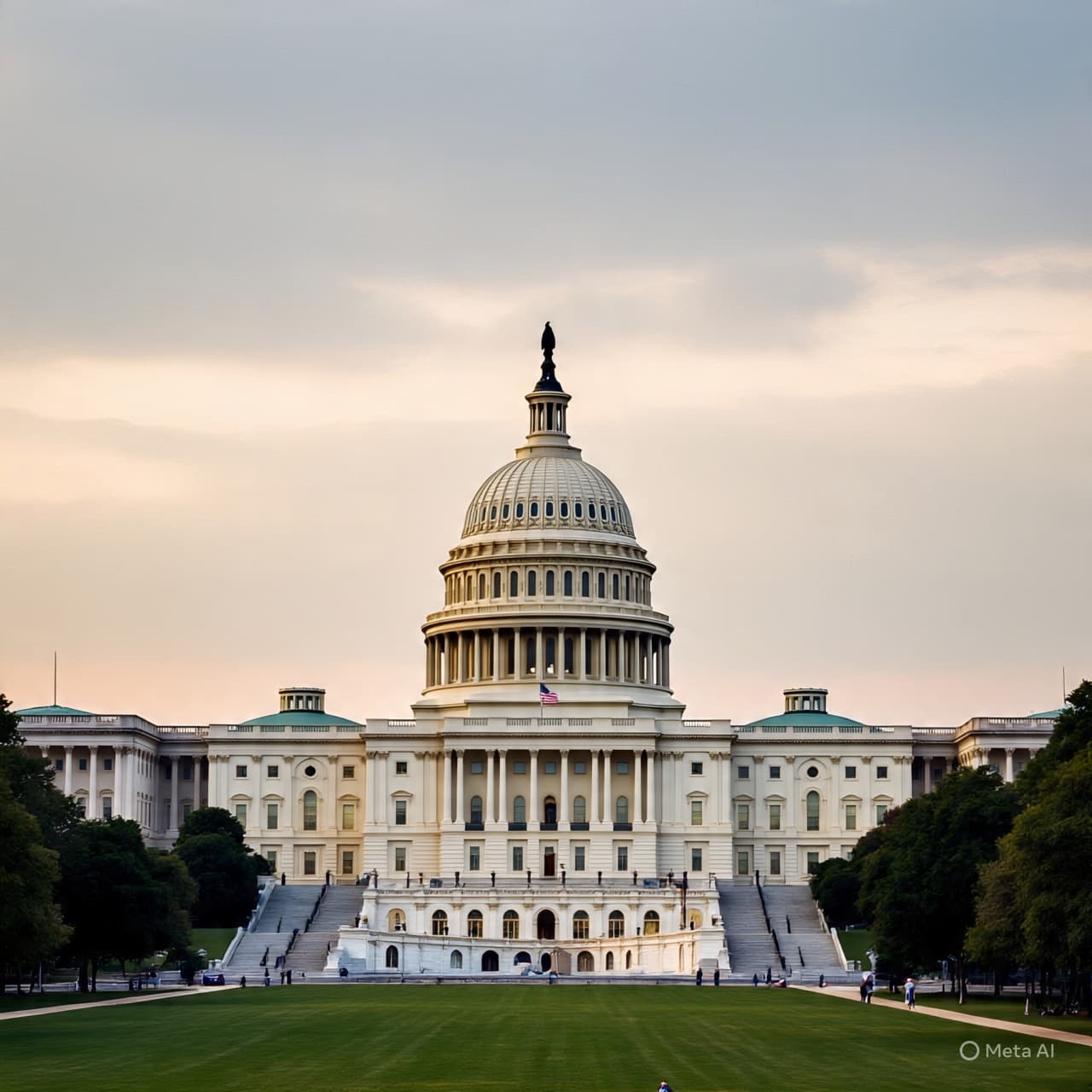
The notable silence from Congress in the wake of Trump's comments raises questions about the balance of power in U.S. governance. While the legislative branch constitutionally holds authority over declarations of war, the executive branch often dominates foreign policy narratives, especially in urgent situations. This dynamic has led to concerns about the diminishing role of elected representatives in shaping the discourse surrounding foreign policy.
Political analysts suggest that this trend reflects broader changes in modern governance, where rapid communication channels and media cycles prioritize immediate statements over thoughtful deliberation. As a result, institutional voices may appear muted or delayed, even when discussions are occurring behind the scenes. This phenomenon can lead to a perception that Congress is disengaged from critical foreign policy issues, further complicating the public's understanding of governance.
Internationally, allies and adversaries are closely monitoring the developments stemming from Trump's remarks. The statements made by prominent figures can significantly influence diplomatic calculations, economic markets, and public sentiment across borders. In this context, rhetoric becomes an integral part of the geopolitical landscape, shaping not only immediate reactions but also long-term relationships between nations.
Within the United States, the episode has reignited discussions about the role of elected officials in foreign policy discourse. Some lawmakers have called for greater involvement, emphasizing the necessity for measured language and collective decision-making in high-stakes situations. The ongoing debate underscores the importance of balancing strong leadership with responsible communication, particularly in times of crisis.
As the situation evolves, the interplay between speech and silence—between individual voices and institutional presence—will likely remain a focal point of public attention. The essence of leadership in these moments is not solely defined by what is said, but also by who speaks and when they choose to do so. This nuanced understanding of responsibility in political discourse will be critical as the U.S. navigates its complex relationship with Iran and other global actors.
Published by Banx Network. This article is part of the Banx decentralized media programme, powered by the BXE token on the XRP Ledger.




