
Key Highlights
- National ceremonies in Iran reflect collective memory and public emotion.
- Large crowds gathered for state funerals amid regional tensions.
- Government officials emphasized resilience and continuity during uncertainty.
National ceremonies often become moments where collective memory and public emotion intersect. In Iran, the recent state funeral for senior leaders has drawn significant national and international attention, reflecting the weight of history and the current political climate. These events provide citizens an opportunity to reflect on recent conflicts while allowing the government to communicate a sense of continuity during uncertain times.
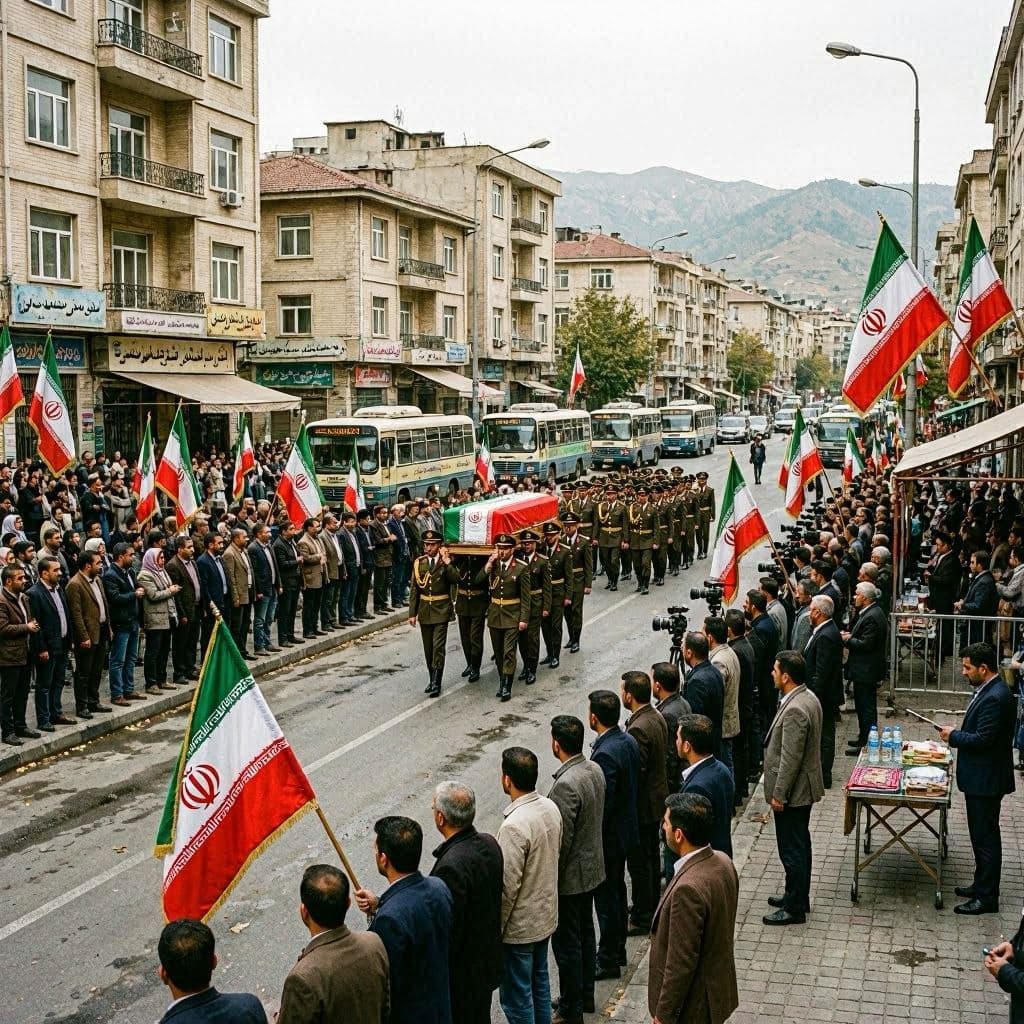
The funeral ceremonies were held across multiple locations, with large crowds gathering in Tehran and other cities. State officials organized processions that included military honors, religious observances, and public participation. Such ceremonies are not merely formalities; they serve as a platform for the nation to collectively mourn and remember its leaders while reinforcing a sense of unity among the populace.
Government representatives described the ceremonies as a tribute to national service and resilience. Senior political and military officials attended alongside religious leaders, emphasizing institutional continuity during a period of heightened regional tension. The presence of these officials underscores the importance of maintaining a united front in the face of adversity, as the nation grapples with the aftermath of recent conflicts.
The events follow weeks of military confrontation that have significantly increased concerns about broader instability in the Middle East. Although active fighting has eased compared to earlier periods, diplomatic efforts remain ongoing as regional governments seek to prevent further escalation. The funeral serves as a poignant reminder of the sacrifices made during these turbulent times and the need for continued dialogue and cooperation among nations.
International observers are closely monitoring developments, as changes in regional leadership can influence diplomatic relations, security policies, and future negotiations. Neighboring countries have expressed interest in maintaining stability across the region, recognizing that the fallout from Iran's internal dynamics can have far-reaching implications.
Analysts note that public ceremonies of this scale often serve multiple purposes beyond remembrance. They reinforce national identity, acknowledge public grief, and demonstrate governmental organization during periods of uncertainty. The emotional weight of such events can galvanize public sentiment and foster a sense of solidarity among citizens, which is crucial in times of crisis.
Despite differing international perspectives regarding regional politics, humanitarian organizations continue to emphasize the importance of protecting civilians and supporting diplomatic engagement wherever possible. Calls for restraint remain a consistent message from numerous international institutions, highlighting the need for a balanced approach to conflict resolution.
The funeral ceremonies conclude one chapter of a difficult period while broader regional challenges remain unresolved. As diplomatic conversations continue, many governments are watching carefully for signs that stability can gradually replace confrontation. The hope is that through collective memory and reflection, nations can find a path toward peace and reconciliation.
Published by Banx Network. This article is part of the Banx decentralized media programme, powered by the BXE token on the XRP Ledger.



