
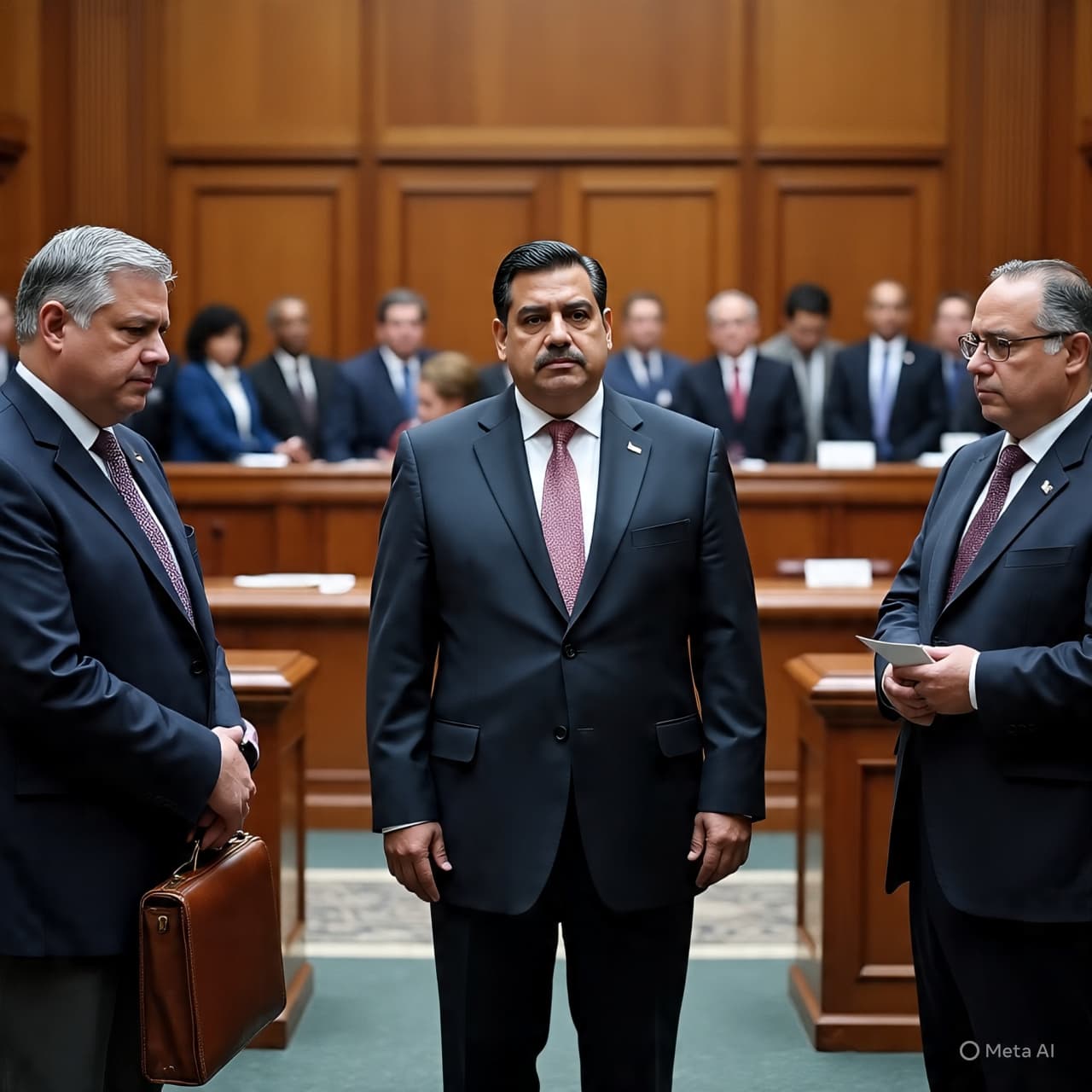
Key Highlights
- Barry Pollack represents Nicolás Maduro in a Manhattan federal court.
- Maduro faces serious charges, including narco-terrorism conspiracy.
- The case raises unprecedented legal questions regarding jurisdiction and international law.
In a pivotal moment within a federal courtroom in New York, Barry Pollack, a prominent figure in the legal world, has taken center stage once again. This time, he stands beside Nicolás Maduro, the former president of Venezuela, who recently pleaded not guilty to a sweeping indictment that includes serious allegations of involvement in a narco-terrorism conspiracy. The case is drawing significant attention from governments and legal experts worldwide, highlighting the intricate intersection of law and politics.
Pollack's reputation as a seasoned U.S. trial lawyer precedes him, particularly following his successful defense of WikiLeaks founder Julian Assange, which involved navigating complex international legal waters. His experience is now being put to the test as he represents Maduro, a figure embroiled in a legal battle that transcends national borders and raises critical questions about sovereignty and the legality of arrest.
The courtroom proceedings, presided over by Judge Alvin Hellerstein in the Southern District of New York, are expected to delve into the procedural and substantive irregularities surrounding Maduro's detention. His legal team is poised to challenge the legitimacy of the U.S. military operation that led to his arrest, arguing that it violates both domestic and international legal norms. Pollack's role extends beyond mere defense; he is positioned as a legal advocate prepared to confront the complexities of international law and its implications for U.S. jurisdiction.
Observers note that this case is unprecedented, as it not only involves a former head of state but also touches upon broader themes of accountability and the reach of U.S. law. The legal arguments presented in this trial could set significant precedents for how similar cases are handled in the future, particularly those involving foreign leaders and allegations of serious crimes.
As the trial progresses, the courtroom atmosphere is charged with the weight of history and the potential for future legal ramifications. Pollack's presence, with his storied career and experience on the global stage, adds a layer of depth to the proceedings. The echoes of past cases resonate within the walls of the courtroom, inviting reflection on the enduring relationship between law, politics, and the human stories that unfold within this complex landscape.
In the coming weeks, as arguments are presented and rulings made, the world will be watching closely. The outcome of this case could not only impact Maduro's future but also influence the ongoing discourse surrounding international law and the responsibilities of nations in addressing alleged crimes committed by foreign leaders.
Published by Banx Network. This article is part of the Banx decentralized media programme, powered by the BXE token on the XRP Ledger.



