Coalition politics often resembles a fragile bridge suspended above restless currents. Partners move together not always from shared vision, but sometimes from necessity, compromise, and the absence of better alternatives. In Israel, tensions between Prime Minister Benjamin Netanyahu and several ultra-Orthodox political parties have once again exposed the delicate balance holding the governing coalition together.
Recent disagreements surrounding military service exemptions, religious policy priorities, and coalition negotiations have strained relationships between Netanyahu’s government and ultra-Orthodox allies. Political observers describe the tensions as serious but not yet politically irreversible.
The ultra-Orthodox parties, long influential within Israeli coalition politics, continue to hold significant leverage due to Israel’s fragmented parliamentary system. Coalition governments often depend on alliances among smaller parties representing distinct ideological, religious, or regional constituencies.
At the center of the current dispute are longstanding debates regarding military service obligations for ultra-Orthodox Jewish communities. The issue has repeatedly generated political and legal controversy within Israeli society, where questions of national service, religious autonomy, and civic equality remain deeply sensitive.
Despite public disagreements, analysts note that the ultra-Orthodox parties face limited strategic alternatives outside Netanyahu’s coalition framework. Opposition blocs contain secular factions whose positions on religious policy frequently conflict more sharply with ultra-Orthodox priorities.
Netanyahu himself remains one of the most experienced coalition negotiators in Israeli politics. Over decades, he has repeatedly navigated unstable alliances, ideological disputes, and parliamentary crises while maintaining political influence during periods of domestic and international tension.
The broader political environment in Israel remains shaped by ongoing security concerns, regional instability, and internal divisions surrounding judicial reform and governance. Coalition disputes therefore unfold against a backdrop of already heightened political sensitivity.
Public reaction inside Israel has reflected both frustration and familiarity. Coalition instability has become a recurring feature of Israeli political life, with governments frequently navigating periods of negotiation, compromise, and temporary breakdowns before new agreements emerge.
International observers continue monitoring the situation carefully, particularly given Israel’s central role in Middle Eastern diplomacy and security dynamics. Political uncertainty inside Israel can influence regional calculations involving neighboring states, security coordination, and international negotiations.
For now, the relationship between Netanyahu and the ultra-Orthodox parties appears strained but still interconnected by political necessity. In coalition systems, alliances rarely depend entirely on harmony. More often, they endure because competing paths appear even less certain. Whether the current tensions lead to deeper fragmentation or another negotiated compromise may become clearer in the weeks ahead.
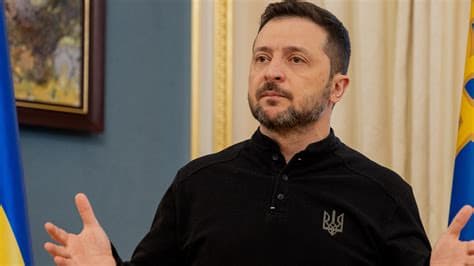
AI Image Disclaimer Images in this article are AI-generated illustrations, meant for concept only.
Source Check Credible sources identified:
Reuters The Times of Israel Haaretz Associated Press BBC
Published by Banx Network. This article is part of the Banx decentralized media programme, powered by the BXE token on the XRP Ledger.