
Key Highlights
- Youth make up the majority of Africa's population, influencing political discourse.
- The African Union Summit emphasizes stability while youth demand representation.
- Discussions focus on balancing experience with the need for generational change.
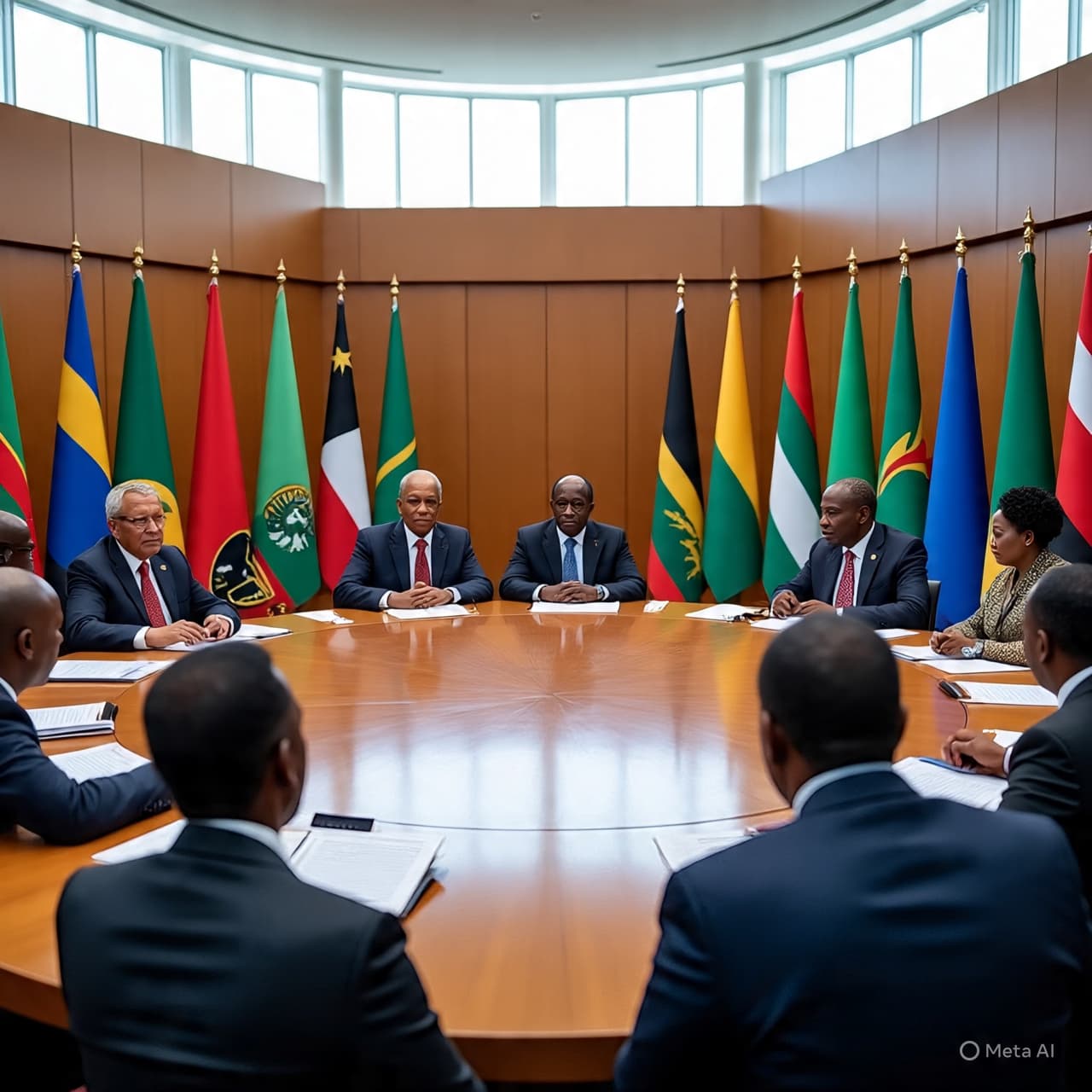
The African Union Summit has commenced, bringing together leaders from across the continent to discuss pressing issues such as unity, security, and economic resilience. However, amidst the formalities, a significant undercurrent is emerging: the voices of Africa's youth, who represent the majority demographic, are increasingly demanding to be heard in the corridors of power.
Africa is recognized as the youngest continent globally, with a vibrant population that is shaping its cities and economies. Yet, leadership often remains concentrated in the hands of older generations, leading to a growing discourse around the concept of “gerontocracy.” This term highlights a governance structure that prioritizes age over the fresh perspectives that younger leaders could bring.
During the summit's opening sessions, heads of state articulated the need for stability and continuity in governance, especially in a world characterized by rapid change and uncertainty. However, youth activists are challenging this narrative, questioning how governance can evolve to better reflect their realities. They argue that issues such as youth unemployment, climate change, and digital transformation necessitate a leadership style that is both responsive and innovative.
Social media has played a crucial role in amplifying these discussions, transforming local frustrations into broader continental conversations. Young Africans are increasingly vocal about their needs and aspirations, pushing for a governance model that prioritizes their input and addresses their challenges.
While some leaders advocate for the value of mentorship and gradual reform, suggesting that experience is vital during turbulent times, the youth perspective emphasizes the urgency of change. The summit's agenda includes initiatives aimed at empowering young people, such as innovation funds and educational investments, signaling a commitment to future generations.
The dialogue at the summit is evolving into a negotiation of how quickly leadership should renew itself. Observers have noted a marked increase in the visibility of youth delegates and civil society representatives, who are actively participating in discussions and policy forums. This shift indicates a growing recognition that the demographic reality of Africa cannot be overlooked.
As the summit progresses, communiqués are expected to address key issues such as governance, democratic principles, and inclusive development. While no immediate institutional changes were announced, the inclusion of generational perspectives in diplomatic discussions marks a significant step forward.
The African Union Summit is not just a platform for traditional political discourse; it is also a stage where the expectations of Africa's youthful majority are beginning to shape the continent's political landscape. As discussions continue, the anticipation for further announcements grows, reflecting a collective hope for a more inclusive future.
Published by Banx Network. This article is part of the Banx decentralized media programme, powered by the BXE token on the XRP Ledger.



