

Key Highlights
- Recent Israeli airstrikes in Gaza reportedly killed several civilians, including a journalist.
- International organizations are calling for greater protection of noncombatants amid ongoing violence.
- Diplomatic efforts to de-escalate the conflict have faced significant challenges.
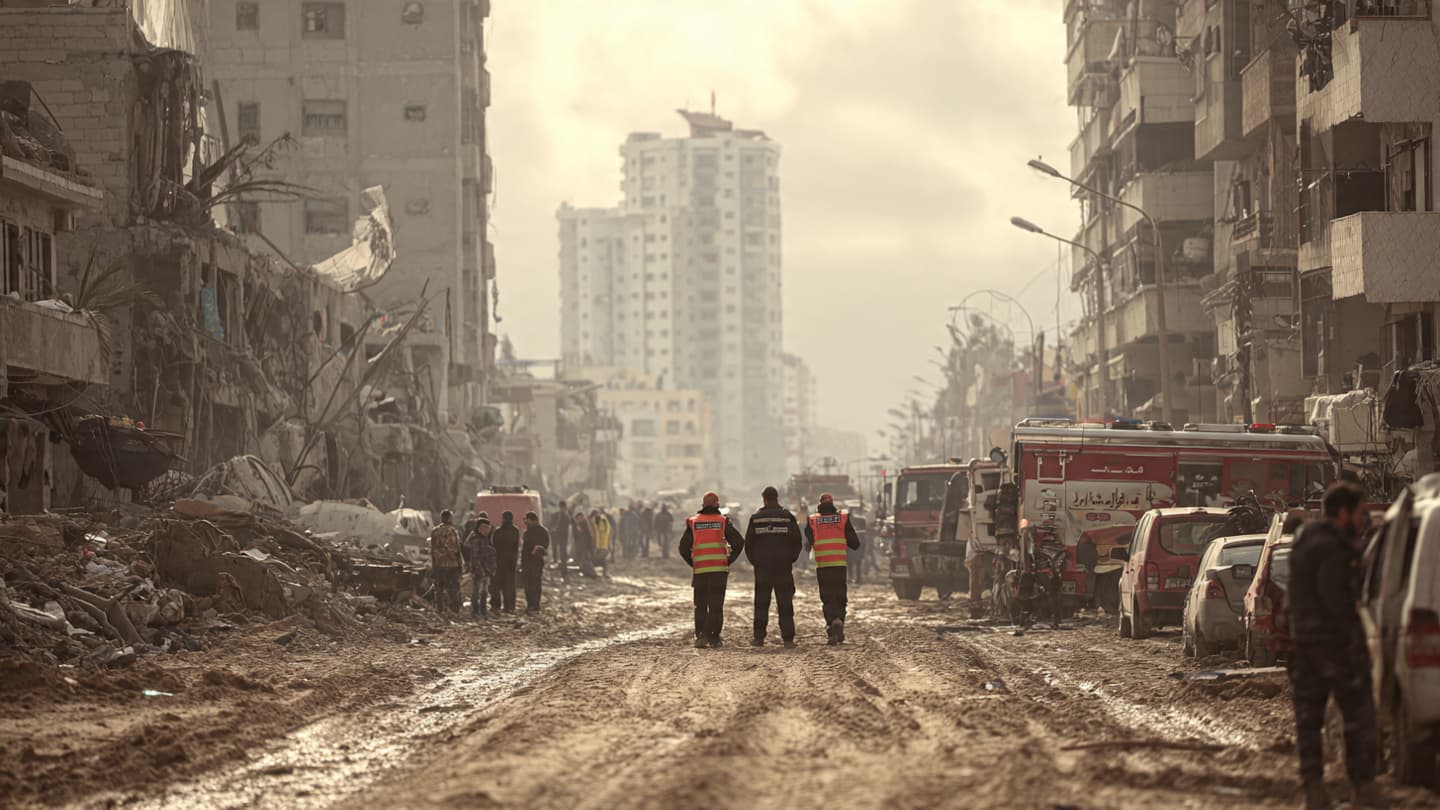
In places shaped by prolonged conflict, daily life often unfolds between resilience and uncertainty. In Gaza, where years of confrontation have left deep scars, recent Israeli strikes have drawn international attention following reports of civilian casualties. Palestinian health authorities reported that several civilians were killed during the latest round of airstrikes, including a journalist, prompting renewed concern among international media organizations about the safety of reporters in conflict zones.
Israeli officials have stated that military operations are directed at militant infrastructure and armed groups operating within Gaza. They argue that such operations are necessary to address ongoing security threats. However, the impact on civilians has been devastating, with damage to residential areas, healthcare facilities, and essential infrastructure complicating daily life for those living in the territory.
The humanitarian challenges in Gaza have escalated, with international organizations calling for greater protection of noncombatants and adherence to international humanitarian law. Humanitarian agencies stress the urgent need for sustained access to aid and medical assistance, as the situation continues to deteriorate. The ongoing violence has made it increasingly difficult for aid organizations to operate effectively, leaving many civilians without the necessary support.
Journalist safety has also emerged as a major concern amid the conflict. Media advocacy groups have urged all parties involved to ensure that reporters are protected while carrying out their professional responsibilities. The killing of journalists in conflict zones raises alarms about press freedom and the ability to report on critical issues without fear of retribution.
Despite ongoing diplomatic efforts aimed at reducing violence, progress has been limited. Regional and international mediators continue to seek pathways toward de-escalation, but significant obstacles remain. The complexity of the conflict, coupled with entrenched positions on both sides, makes finding a sustainable resolution increasingly challenging.
As the conflict continues, civilians remain at the center of the humanitarian crisis. Global attention is focused on both immediate relief efforts and broader discussions concerning a sustainable resolution to the ongoing violence. The international community's response will be crucial in addressing the urgent needs of those affected by the conflict and in working towards a lasting peace.
Published by Banx Network. This article is part of the Banx decentralized media programme, powered by the BXE token on the XRP Ledger.




