
Key Highlights
- Initiative:The BioVault project aims to preserve genetic material from endangered species.
- Technology:Cryopreservation will be used to store biological samples at low temperatures.
- Collaboration:The project involves partnerships among universities, zoos, and conservation organizations.
[BioVault Initiative Overview]
Nature has always carried its own library, written not in ink but in genes, ecosystems, and the quiet continuity of life itself. As biodiversity faces mounting pressures across the globe, scientists are increasingly searching for ways to preserve that living record. In the United States, a new initiative known as the BioVault aims to serve as a safeguard for some of Earth's most vulnerable species.
Researchers and conservation organizations are working to establish a secure facility designed to store genetic material from endangered and threatened animals. The project seeks to preserve cells, tissues, DNA samples, and reproductive material that may one day support conservation and restoration efforts. This initiative is crucial as many species are declining faster than scientists can fully study them.
[Comparison to Seed Vaults]
The concept behind BioVault is similar in spirit to seed vaults, such as the well-known global seed repository in Norway. However, BioVault expands the idea by focusing on animal biodiversity and advanced biological preservation techniques. This approach recognizes that while seed preservation is vital, the genetic diversity of animal species is equally important for maintaining ecological balance.
[Role of Cryopreservation]
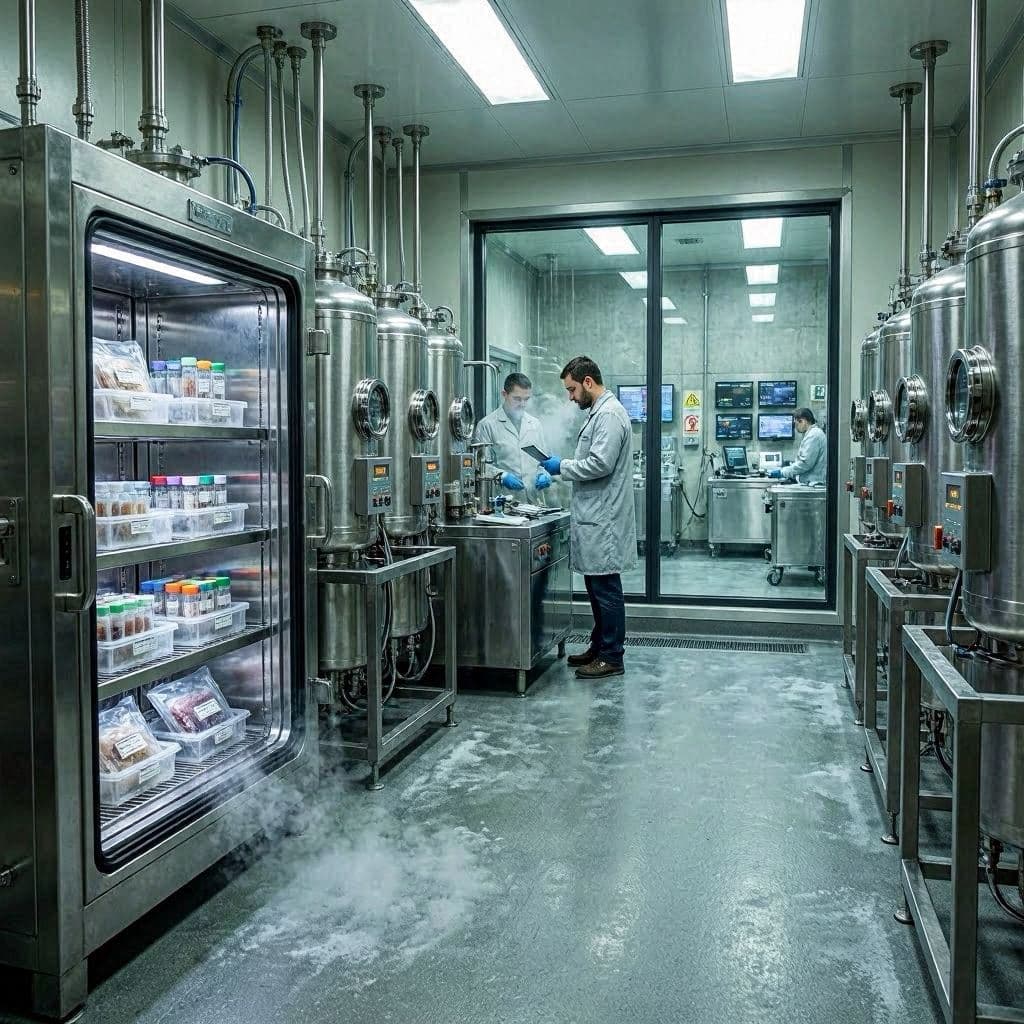
Cryopreservation technology plays a central role in the facility's operation. Samples are stored at extremely low temperatures, allowing biological material to remain viable for extended periods. Researchers believe these resources may prove invaluable for future scientific studies and species recovery programs. The ability to store genetic material for long durations opens up possibilities for reviving species that may face extinction in the near future.
[Collaborative Efforts]
The BioVault initiative also highlights growing collaboration among universities, zoos, conservation groups, and government agencies. Such partnerships are increasingly viewed as essential for addressing global biodiversity challenges. By pooling resources and expertise, these organizations aim to create a comprehensive genetic archive that can support conservation efforts worldwide.
[Ethical Considerations]
Ethical and scientific discussions continue regarding how preserved genetic material might be used in the future. While emerging technologies offer new possibilities, researchers stress that conservation efforts must remain grounded in ecological principles. The goal is not to replace natural habitats but to provide an additional layer of protection in an era marked by habitat loss, climate change, pollution, and emerging diseases affecting wildlife populations.
[Conclusion]
As construction and planning move forward, BioVault represents both a scientific undertaking and a symbolic reminder of humanity's responsibility to protect the diversity of life on Earth. This initiative underscores the urgent need for innovative solutions to combat biodiversity loss and ensure that future generations inherit a rich and diverse natural world.
Published by Banx Network. This article is part of the Banx decentralized media programme, powered by the BXE token on the XRP Ledger.



