
Key Highlights
- Incident:Two individuals placed explosive devices in sheep feed, causing deaths and injuries.
- Court Proceedings:The case highlighted the deliberate cruelty and intent behind the actions.
- Sentencing:The judge described the conduct as sadistic, imposing custodial sentences and future animal ownership bans.
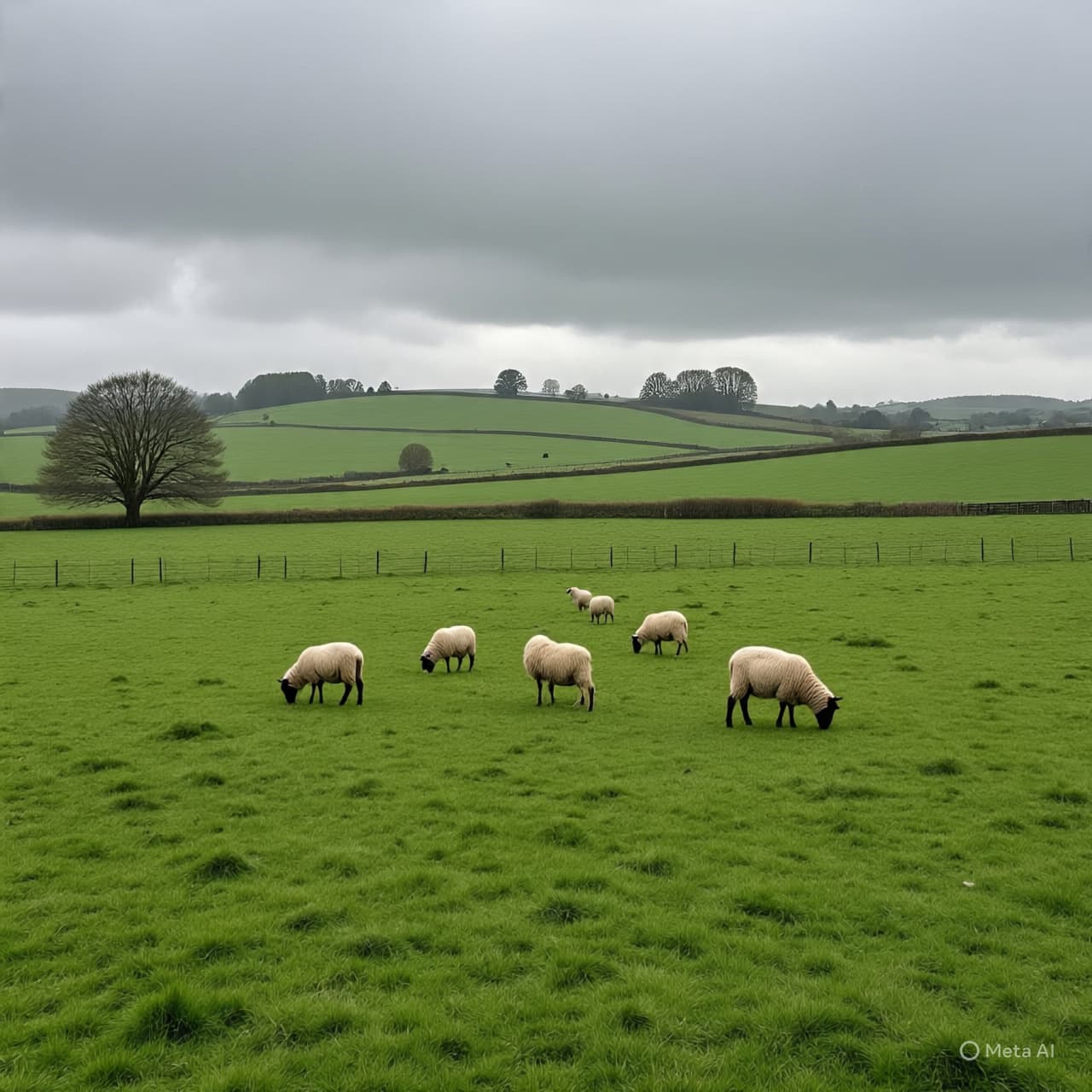
[Incident Overview] Morning settles softly over the English countryside, where the tranquility of rural life was shattered by a shocking act of cruelty. In a field meant for grazing, two individuals deliberately placed explosive devices inside animal feed, resulting in the deaths of several sheep and injuries to others. This heinous act not only disrupted the lives of the animals but also left a profound impact on the local farming community, which relies on the trust and safety of their environment.
[Legal Proceedings] The case unfolded in a British courtroom, where prosecutors detailed the calculated nature of the crime. Evidence presented included digital communications and materials that linked the defendants to the scene. The explosive devices, concealed within food meant to nourish the sheep, transformed a routine feeding into a deadly trap. Animal welfare experts testified about the suffering inflicted on the livestock, emphasizing their vulnerability in such situations.
[Community Impact] Farmers expressed their shock and grief as they surveyed the aftermath of the explosions. The emotional toll on the community was significant, as these incidents not only represent property damage but also a moral injury to the fabric of rural life. In agricultural regions, livestock are not merely economic assets; they are integral to the daily rhythms and traditions of farming families. The loss of these animals resonates deeply within the community, affecting both livelihoods and the shared understanding of stewardship.
[Sentencing and Legal Context] In sentencing, the judge characterized the defendants' actions as sadistic, highlighting the intentional infliction of pain on defenseless animals. The court imposed custodial sentences, emphasizing the need for punishment and deterrence. Additionally, the defendants were prohibited from owning animals in the future, a legal measure aimed at preventing similar incidents from occurring again. This case reflects the evolving legal landscape in England and Wales, where penalties for animal cruelty have become more stringent in response to changing public attitudes.
[Broader Implications] As the defendants begin their sentences, the fields of the English countryside gradually return to their natural cycles. Farmers repair fences and prepare for the arrival of new lambs in the spring. While the memory of the tragedy lingers, it serves as a reminder of the importance of accountability in the face of cruelty. The law stands ready to address such acts, reinforcing the notion that even in the gentlest of landscapes, there is a commitment to justice and the protection of vulnerable lives.
Published by Banx Network. This article is part of the Banx decentralized media programme, powered by the BXE token on the XRP Ledger.



