
Key Highlights
- Ebola Outbreak:Bundibugyo strain confirmed in multiple areas.
- Health Response:Authorities intensify surveillance and contact tracing.
- Community Engagement:Public information campaigns crucial for trust.
In the Democratic Republic of Congo, health authorities are facing a renewed challenge as they confront an outbreak of the Bundibugyo strain of Ebola. This strain, while less common than the more notorious Zaire strain, poses significant risks to public health and requires immediate and coordinated responses to prevent its spread. Recent reports indicate that the outbreak has expanded, prompting officials to ramp up surveillance and response measures across affected regions.
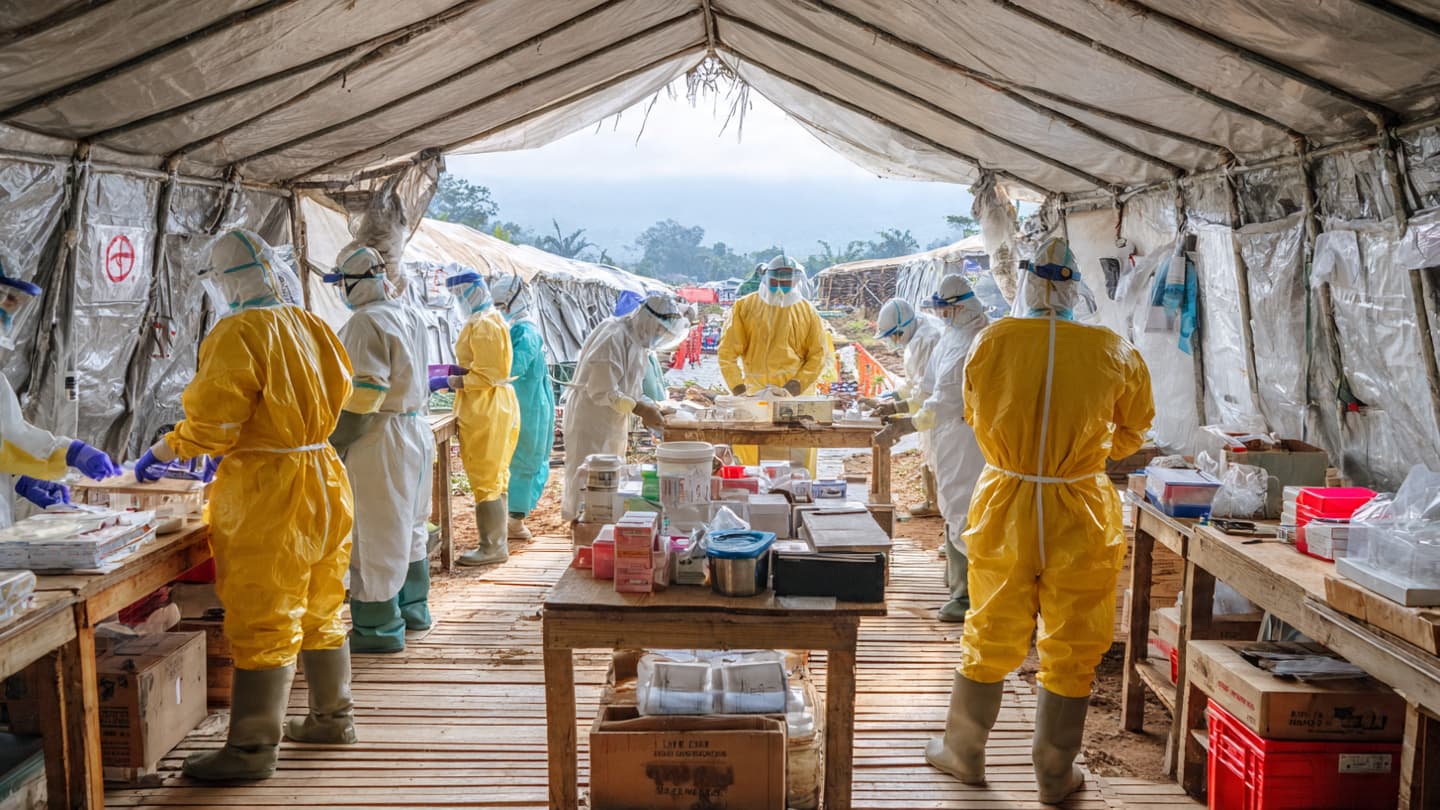
The World Health Organization (WHO) has stepped in to provide technical assistance to the Congolese government. This support includes laboratory testing, community engagement initiatives, and case management strategies aimed at controlling the outbreak. Health workers are actively tracing contacts of confirmed cases to identify potential infections early, which is critical in curbing transmission within communities.
Contact tracing is a cornerstone of the public health response to Ebola. Health teams are diligently monitoring individuals who may have been exposed to the virus, ensuring that any new cases are detected swiftly. This proactive approach is essential in reducing the risk of further outbreaks, especially in remote areas where healthcare access may be limited.
Public information campaigns are also being emphasized as a vital component of the response strategy. Past experiences with Ebola outbreaks in the region have shown that clear communication with local communities can foster trust and encourage individuals to seek treatment early. Health officials are working to disseminate accurate information about the virus, its symptoms, and the importance of seeking medical help without delay.
The Democratic Republic of Congo has a long history of managing Ebola outbreaks, having dealt with several episodes over the last decade. This experience is expected to bolster current containment efforts, although challenges remain, particularly in remote regions where logistical issues can hinder response activities. Health authorities are aware that rapid detection and coordinated action, alongside community cooperation, are essential to controlling the outbreak effectively.
International health agencies are closely monitoring the situation and are prepared to mobilize additional resources if the outbreak escalates. The collaborative efforts between local and international partners are crucial in ensuring that the necessary support is available to combat the spread of the virus.
As the situation develops, health officials continue to stress the importance of vigilance and preparedness. The ongoing response to the Bundibugyo strain outbreak underscores the need for comprehensive public health strategies that prioritize early detection, effective communication, and community involvement.
Published by Banx Network. This article is part of the Banx decentralized media programme, powered by the BXE token on the XRP Ledger.



