
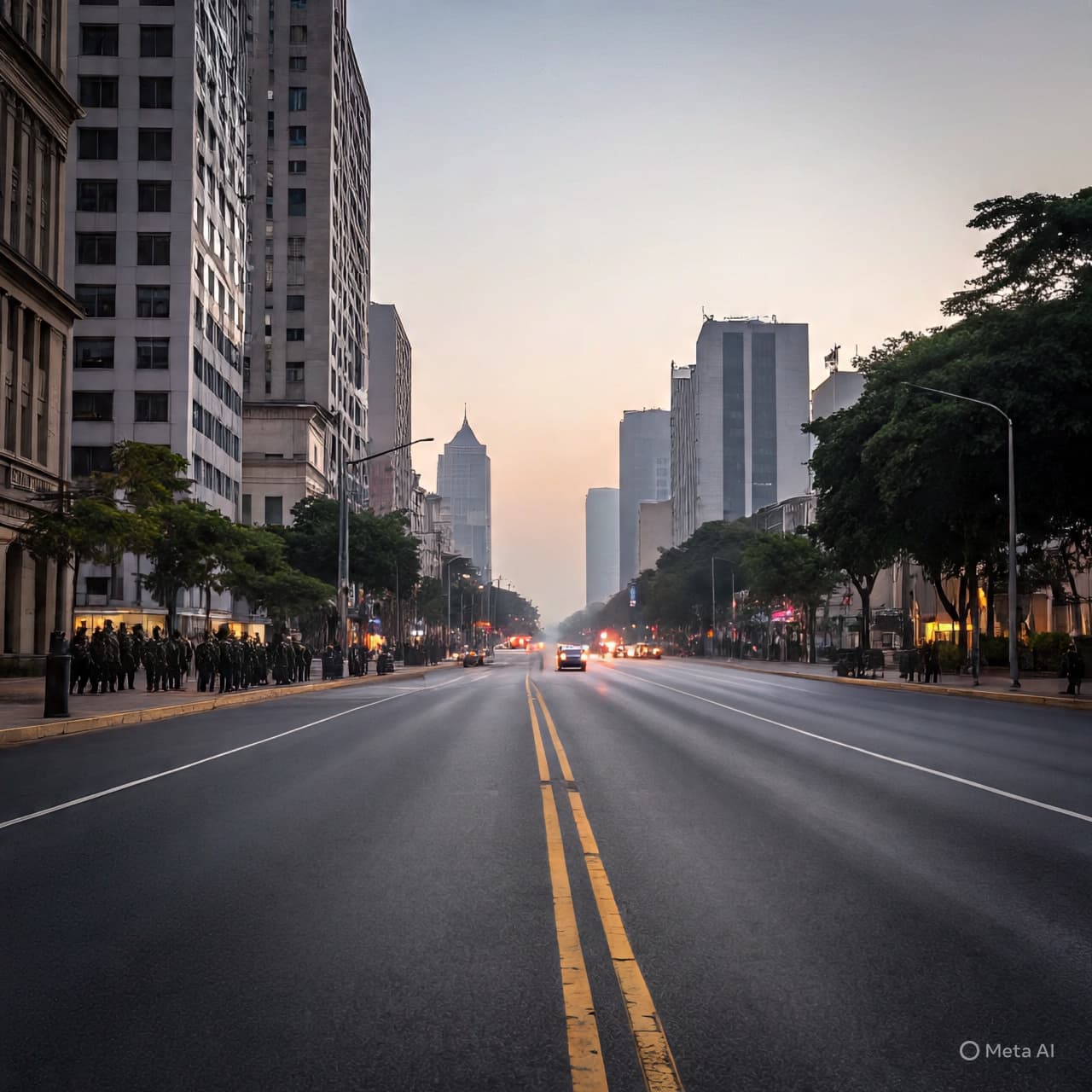
In the early light, when the city of Caracas should be waking to the ordinary hum of daily life, there is instead a hush that sits heavy on the streets. Like a river after a long storm, the echoes of what has passed mingle with the fear of what is yet to come, and those who walk here can feel both relief and unease in every breath. In a nation long etched by trials, this moment feels like another tide turning and yet the waters are uncertain.
In recent days, Venezuela has witnessed a sweeping shift in its political landscape, one that has stirred both cautious optimism and profound anxiety among its people. After the capture of long-time leader Nicolás Maduro an event that briefly sparked muted relief and celebration the streets of the capital have once again become spaces of tension. Authorities moved quickly to suppress expressions of support for Maduro’s ouster, with reports of broad crackdowns.
Journalists and media workers have found themselves in the crosscurrents of this unfolding moment. At least a dozen were detained while covering events near Venezuela’s National Assembly, with some held for hours and subject to searches of their devices. These actions, whether brief or prolonged, have cast a chill over press freedoms at a time when information is among the most delicate of currencies.
Armed groups, often known locally as colectivos, have appeared at checkpoints throughout parts of Caracas, their presence a reminder of long-standing social fault lines and the uneasy bridges between security and coercion. Citizens describe pausing before sending a message, pausing before stepping out, and listening more closely to the silent spaces between distant sounds.
International voices have joined the reverberations of concern. The United Nations Human Rights Office has underscored the broader implications of recent interventions and stressed that the future of Venezuela should rest in the hands of its own people. Meanwhile, ordinary Venezuelans wrestle with memories of past upheavals, navigating a landscape where hope and fear can feel inseparable.
Through it all, Caracas remains a city of stories of families waiting at windows, of whispered conversations on quiet sidewalks, and of a community attempting to chart its course amid uncertainty. In these moments of tension, life moves not just in headlines but in the careful steps of everyday existence.
AI Image Disclaimer (rotated wording) “Visuals are created with AI tools and are not real photographs.”
Sources:
• The Guardian
• Reuters
• Financial Times
• Al Jazeera
• UN Human Rights Office (from Reuters)
Published by Banx Network. This article is part of the Banx decentralized media programme, powered by the BXE token on the XRP Ledger.

.jpg&w=3840&q=75 "Zelensky Warns China Is Helping Russia Develop a Starlink Rival")