The night sky has long invited quiet observation, offering subtle movements and fleeting lights to those willing to look closely. Beyond its vast stillness, there are moments of sudden brightness—brief flashes that hint at unseen activity on distant surfaces, waiting to be noticed.
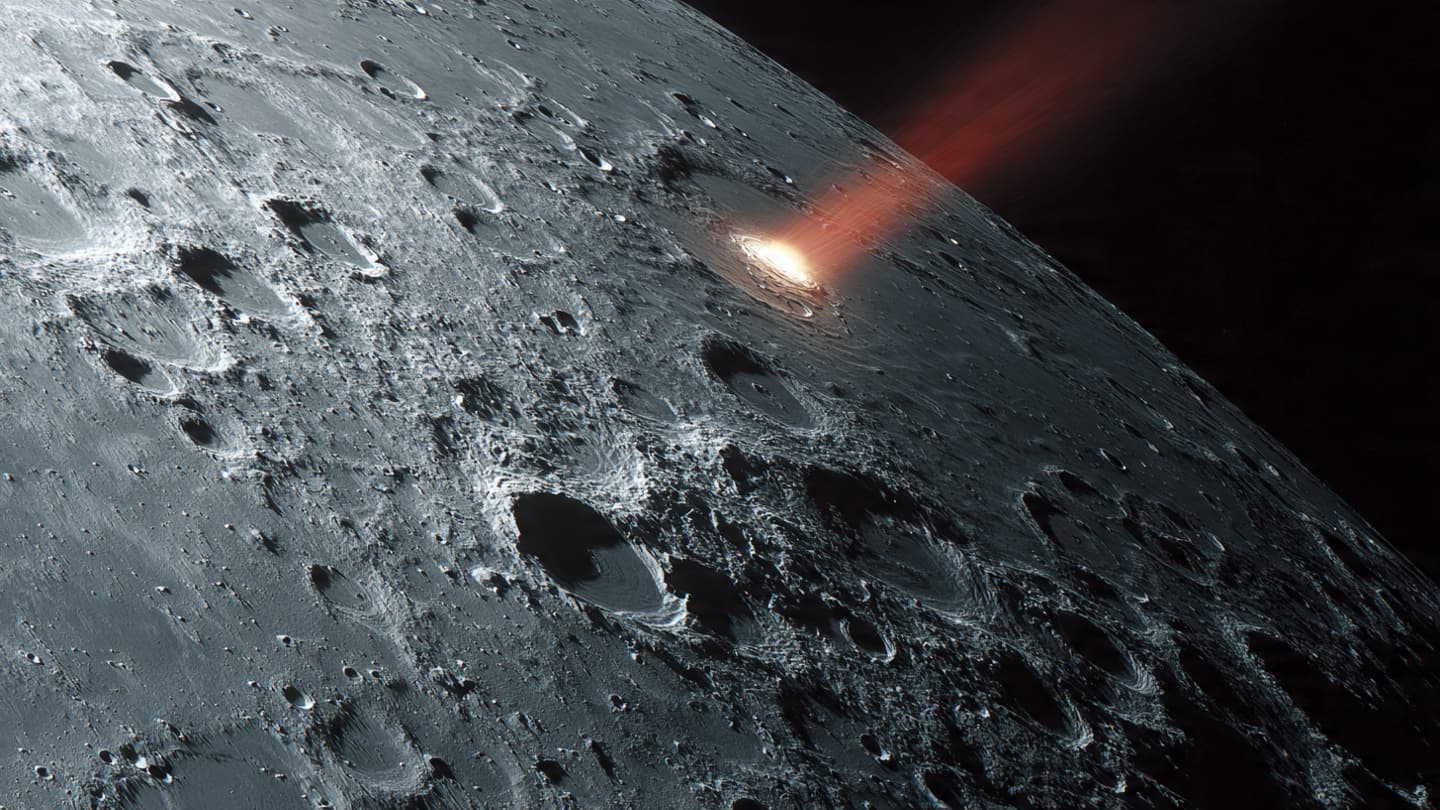
A collaborative effort between volunteers and NASA astronauts is helping scientists better understand mysterious flashes observed on the Moon. These brief bursts of light, known as lunar impact flashes, occur when meteoroids strike the lunar surface.
Volunteers on Earth play a crucial role by monitoring the Moon through telescopes and recording these flashes when they occur. Their observations complement data gathered by astronauts and instruments in orbit or on missions.
NASA has encouraged citizen participation as part of its broader scientific outreach initiatives. By expanding the number of observers, researchers increase the likelihood of capturing these rare and transient events.
The flashes themselves are typically caused by small meteoroids impacting the Moon at high speeds. Without an atmosphere to slow them down, these objects strike the surface directly, producing visible bursts of light.
Data collected from these events helps scientists estimate the frequency and size of meteoroid impacts. This information contributes to a deeper understanding of the space environment and potential risks to future lunar missions.
Astronauts involved in lunar observation efforts use specialized equipment to verify and analyze reported sightings. Cross-referencing volunteer reports with official data strengthens the accuracy of findings.
The initiative reflects a growing trend in modern science, where public participation enhances research capabilities. It also offers volunteers a chance to contribute meaningfully to ongoing exploration efforts.
As observations continue, both professionals and volunteers remain focused on uncovering more about these fleeting lunar events, adding small but significant pieces to the broader picture of space science.
AI Image Disclaimer: Some accompanying images are AI-generated visualizations of lunar observations and are not actual photographs.
Sources: NASA Scientific American BBC Science Nature
Published by Banx Network. This article is part of the Banx decentralized media programme, powered by the BXE token on the XRP Ledger.