
Key Highlights
- Xi Jinping emphasized the need for resolute leadership during talks with UK Prime Minister Keir Starmer.
- This meeting marks the first visit by a British prime minister to China in several years.
- The discussions aimed to recalibrate relations amid previous diplomatic tensions.
[Significance of the Meeting]
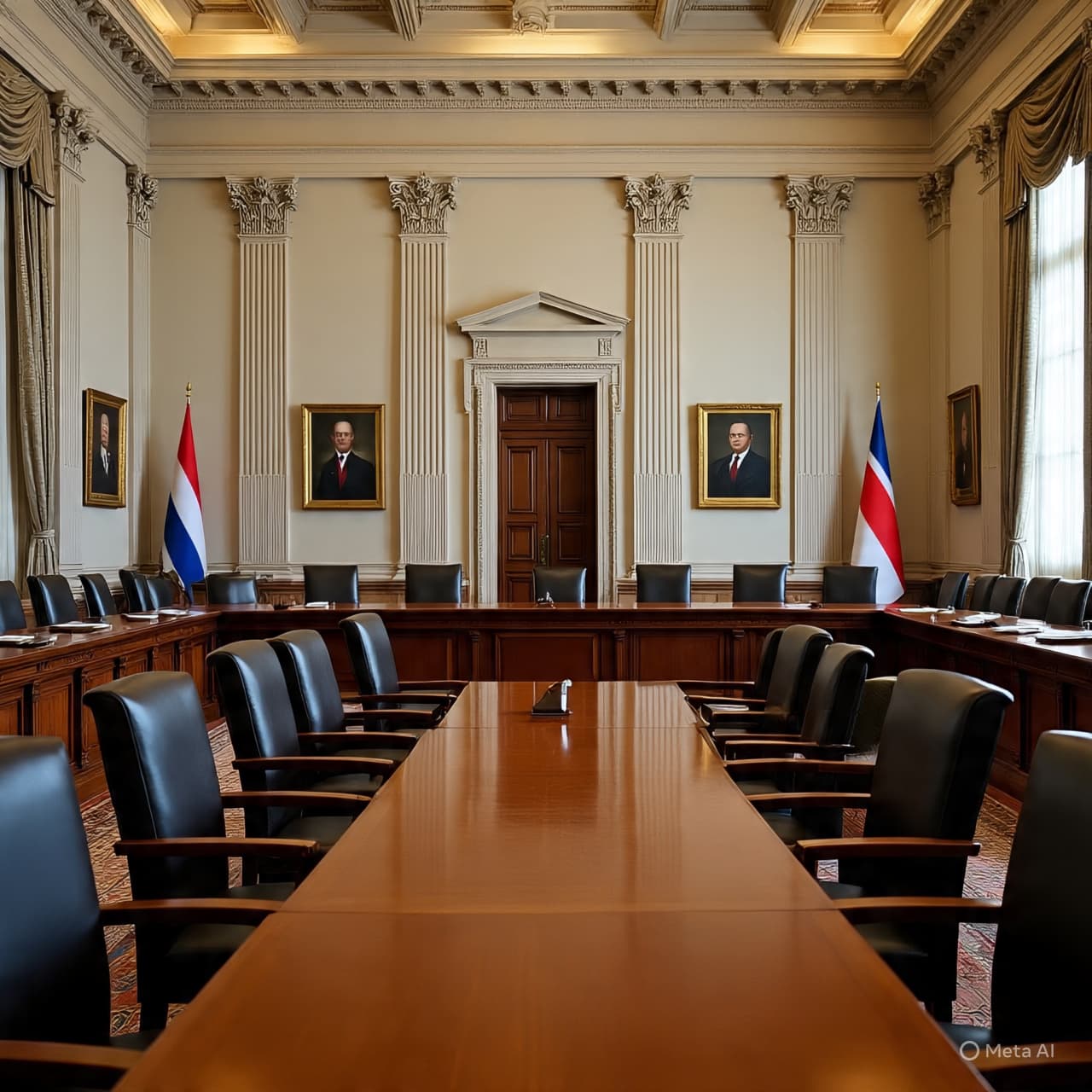
The Great Hall of the People, a symbol of China's political power, served as the backdrop for a pivotal meeting between Chinese President Xi Jinping and British Prime Minister Keir Starmer. In a setting designed to evoke gravitas, Xi addressed the complexities of international relations, framing difficulties not as barriers but as challenges to be confronted with steadfastness. His remarks came at a time when global politics are increasingly fraught, and the need for stable leadership is more pressing than ever.
Starmer's visit to China is noteworthy as it represents the first by a British prime minister in several years, following a period marked by diplomatic estrangement and public disagreements. The tone of the discussions suggested a desire to recalibrate the relationship, moving away from confrontation towards a more cooperative stance. Xi's call for resolute leadership resonated with the need for both nations to navigate their differences while seeking common ground.
[Themes of Cooperation and Challenge]
During the talks, Xi articulated a vision where cooperation can coexist with disagreement. He underscored that effective leadership involves navigating through uncertainty and maintaining engagement even when trust is lacking. This perspective reflects a broader Chinese diplomatic strategy that values persistence and patience over withdrawal. Xi's framing of difficulties as tests of political resolve serves as a reminder that the path to cooperation is often fraught with challenges.
Starmer, in response, emphasized Britain's commitment to pragmatic engagement. He acknowledged the existing areas of friction, particularly concerning security and differing values, while advocating for open dialogue. His approach appears to balance caution with a willingness to engage, signaling a desire for stability without compromising on key issues.
[Symbolic Weight of the Encounter]
The meeting carried significant symbolic weight, occurring at a time when Western governments are reassessing their strategies towards China amidst evolving global alliances and economic pressures. The decision to engage directly reflects an understanding that diplomatic relations cannot be maintained solely through distance. Instead, the resumption of face-to-face dialogue indicates a recognition of the limits of estrangement and the necessity of addressing issues directly.
[Outcomes and Future Implications]
While the talks did not yield sweeping agreements, they did result in steps to ease certain restrictions that had previously strained parliamentary and diplomatic exchanges. The focus remained on restoring communication channels and managing differences rather than resolving them outright. This cautious approach underscores the complexities of the relationship, which is shaped by historical grievances and competing national interests.
As the meeting concluded, both leaders returned to a language of restraint, avoiding declarations of breakthroughs or sharp delineations. Instead, they acknowledged the intricate nature of their relationship, characterized by a blend of cooperation and contention. Xi's call for resolute leadership serves as a reminder that navigating international relations requires endurance and a commitment to ongoing dialogue.
Published by Banx Network. This article is part of the Banx decentralized media programme, powered by the BXE token on the XRP Ledger.



