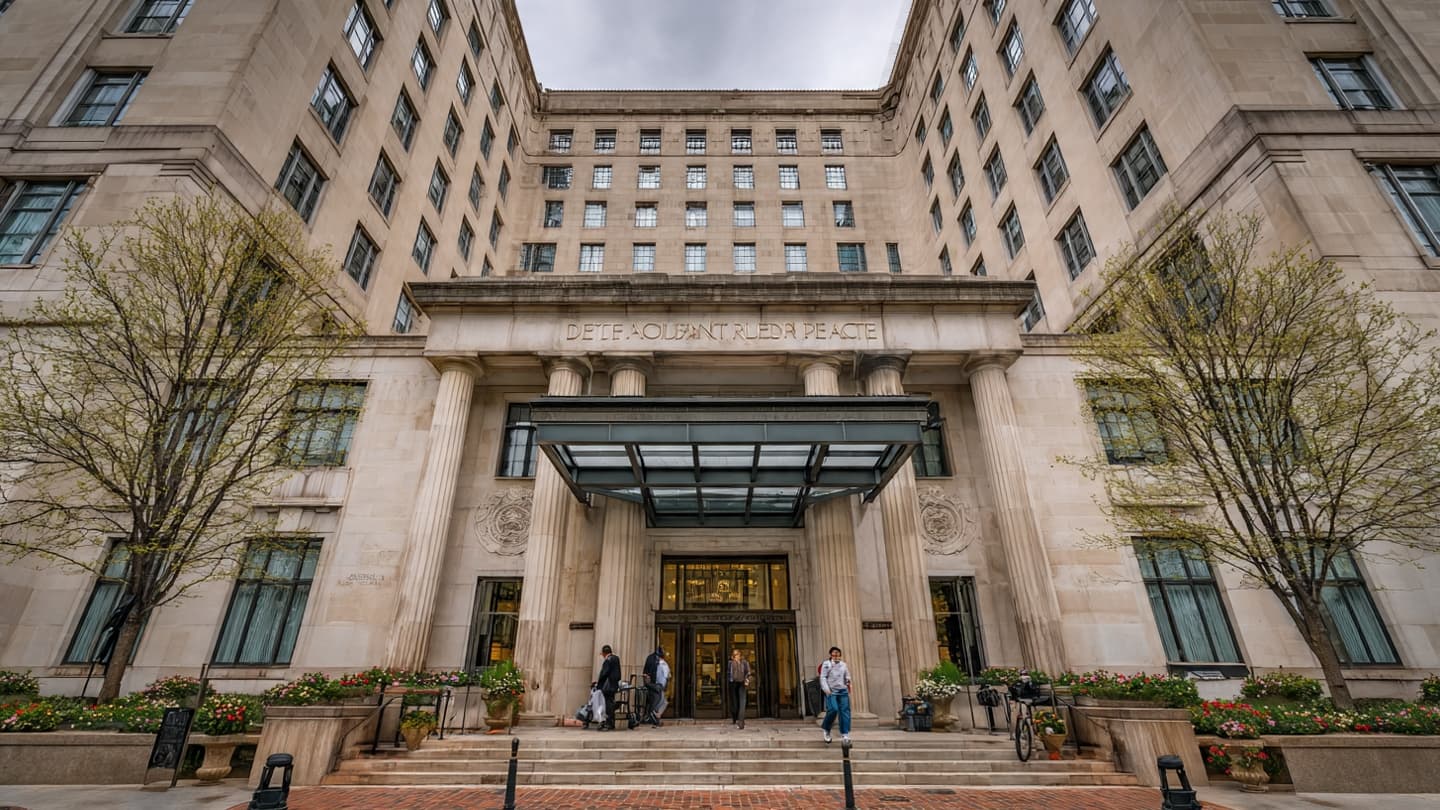
In the modern world, medicine often feels like a promise whispered against uncertainty. Behind every approved treatment, every prescription bottle, and every life-saving breakthrough stands an invisible network of researchers, regulators, and institutions working quietly beyond public attention. This week, that hidden system stepped briefly into the spotlight as reports emerged that the U.S. Food and Drug Administration could soon lose the head of its influential drug center.
The news immediately drew attention across pharmaceutical industries, healthcare systems, and medical research communities. Leadership transitions inside agencies like the FDA rarely create dramatic headlines among the general public, yet within scientific and healthcare circles, such changes can influence the direction of medical oversight for years to come.
The FDA’s drug center plays a critical role in evaluating the safety and effectiveness of medicines entering the American market. From cancer therapies to vaccines and experimental treatments, the agency helps determine which products reach millions of patients. Because of that responsibility, stability within its leadership structure carries enormous significance for both public trust and industry confidence.
Observers noted that the timing arrives during a particularly sensitive period for global healthcare systems. Pharmaceutical innovation has accelerated rapidly in recent years, especially in biotechnology, gene therapy, and artificial intelligence-assisted drug development. Regulators are now being asked to evaluate increasingly complex treatments while balancing speed, safety, and ethical responsibility.
Inside the medical industry, reactions to the reported departure appeared measured but attentive. Some experts expressed concern about potential delays in regulatory processes during leadership transition periods, while others emphasized that institutions like the FDA are designed to maintain continuity regardless of personnel changes.
Healthcare analysts also pointed out that modern drug regulation involves more than scientific review alone. Regulators must navigate pressure from pharmaceutical companies, patient advocacy groups, investors, and public expectations. Decisions surrounding approval timelines or safety standards often carry massive economic and social consequences far beyond laboratory walls.
Meanwhile, pharmaceutical companies continue racing to develop treatments for chronic illnesses, rare diseases, and emerging health threats. Industry leaders rely heavily on predictable regulatory frameworks to guide research investments that can cost billions of dollars over many years. Even subtle shifts in leadership priorities may influence how companies approach future innovation strategies.
For ordinary Americans, the internal dynamics of federal health agencies may feel distant from daily life. Yet the effects eventually reach pharmacies, hospitals, insurance systems, and family healthcare decisions nationwide. Trust in medical oversight remains deeply connected to public confidence that treatments are reviewed carefully, independently, and transparently.
Medical experts emphasized that the FDA itself remains one of the world’s most respected regulatory institutions despite periodic criticism or political pressure. The agency’s scientific review processes continue operating through large teams of researchers, physicians, statisticians, and policy specialists whose work extends far beyond any single individual.
Still, moments of leadership change naturally invite reflection about the future of healthcare governance. As medicine becomes increasingly advanced and globalized, regulatory agencies face mounting pressure to adapt quickly without compromising safety standards. The challenge is no longer simply approving medicines — it is managing innovation responsibly in an era where science evolves faster than public understanding.
For now, officials have not indicated immediate disruption to ongoing FDA operations. Research applications continue moving through review channels, pharmaceutical development remains active, and healthcare providers continue relying on the institution’s guidance. Yet beneath the routine flow of medical regulation, the possible transition serves as another reminder that even the systems designed to protect public health are constantly evolving themselves.
AI Image Disclaimer Illustrations were produced with AI and serve as conceptual depictions.
Sources Check Reuters CNBC Bloomberg Associated Press STAT News
Published by Banx Network. This article is part of the Banx decentralized media programme, powered by the BXE token on the XRP Ledger.