There is a chair in the emergency department of Westmead Hospital that Adnaan remembers better than he would like. He sat in it for twenty-three hours, his kidney slightly ruptured, waiting for a bed that never came. By the next afternoon, he made a decision no patient should have to make: he left against medical advice . Sometimes the measure of a hospital is not its buildings or its equipment, but how long a person must wait to be seen.
The figures released this month tell a similar story. Westmead, one of Sydney’s largest hospitals, has the longest emergency department wait times in Western Sydney. Only 49.1 percent of patients begin treatment on time—the lowest rate in the district, below Auburn, Mount Druitt, and Blacktown. The average wait is six hours and thirty minutes, compared to a state average of three hours and forty-nine minutes . For patients admitted or transferred, the median time is sixteen hours and thirty-five minutes, an increase of eighty-one minutes from the previous year and the steepest deterioration of any measure at the hospital .
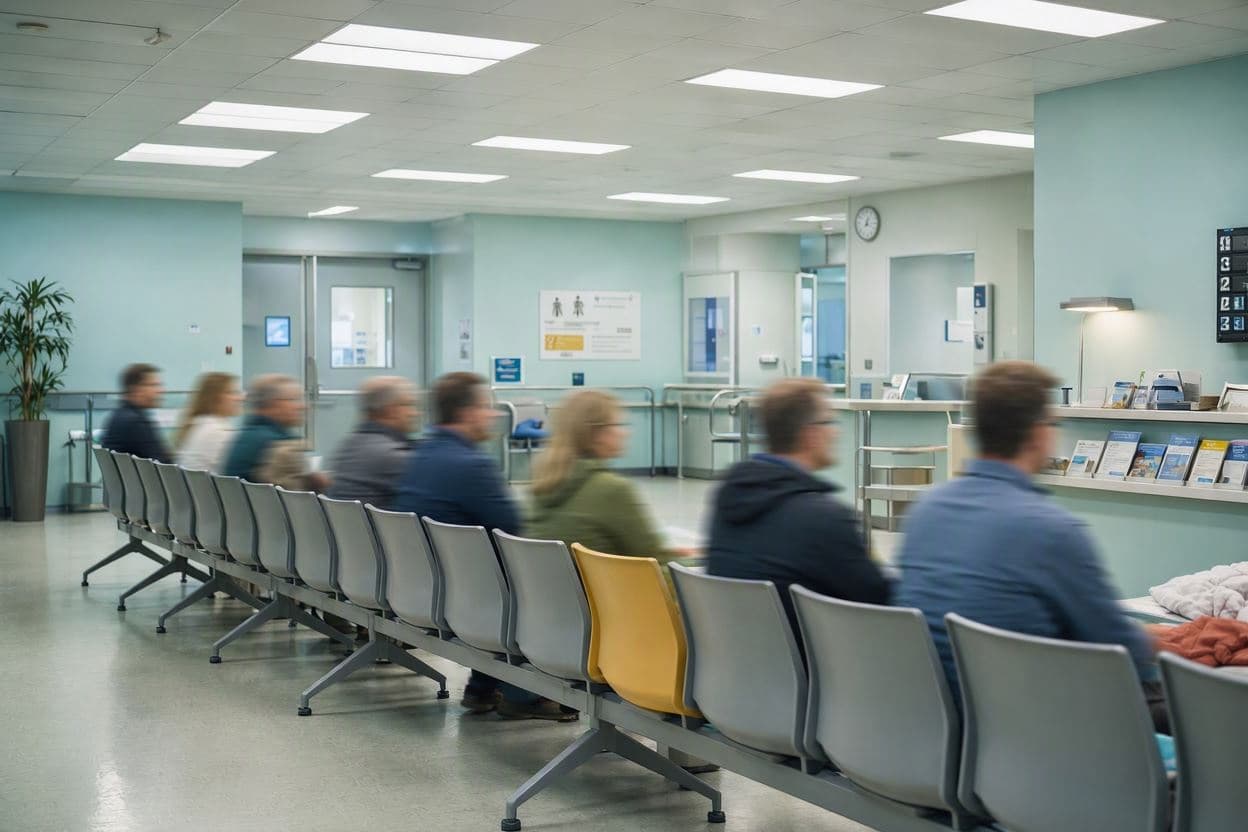
When Adnaan arrived, he described a scene that felt less like a hospital and more like something else entirely. “It just felt like a zombie apocalypse,” he said. “It was pretty much full, all the seats were taken, people were on the floor, some people were standing” . Staff told him there were only three doctors on for 144 patients. “They said to me very clearly that we do not have anything available right now … we’ve got no beds” .
The Western Sydney Local Health District, which operates Westmead, said the hospital is the district’s major tertiary and quaternary referral center and one of the busiest in the state. It sees a higher volume of complex, critically unwell patients than other hospitals in the district, including major trauma cases and patients needing advanced diagnostics . A spokesperson said the district understood long waits could be distressing and apologized to those who waited longer than expected, confirming it had reached out directly to Adnaan .
NSW Health Minister Ryan Park acknowledged the wait times were “not good enough” and pointed to bed block—where aged care and NDIS patients remain in hospital awaiting placement—as a key driver. One in eight emergency-accessible beds statewide cannot be used because patients are stuck waiting on placements, up from about one in ten in 2025 . The government has committed $35.7 million to an Aged Care Response Package and $38 million specifically to Westmead for more beds, staff, and services .
Dr. Fred Betros, president of the Australian Medical Association NSW, said emergency departments were under unprecedented pressure, with a record 395,000 ambulance responses statewide last quarter and a sharp rise in the sickest patients. “They bypass the front door, they go straight into places like our resuscitation bays,” he said. “The people out front with less urgent but still serious conditions … just wait longer” . As a general surgeon, Betros said he spends a significant amount of his on-call shifts bringing patients out from the front of the emergency department and apologizing that there is no bed for them .
Westmead Hospital has the longest emergency wait times in Western Sydney, with only 49.1 percent of patients starting treatment on time and an average wait of six and a half hours. Patient experiences and health figures point to bed block, rising demand, and capacity pressures. The health district has apologized, and the government points to recent funding commitments.
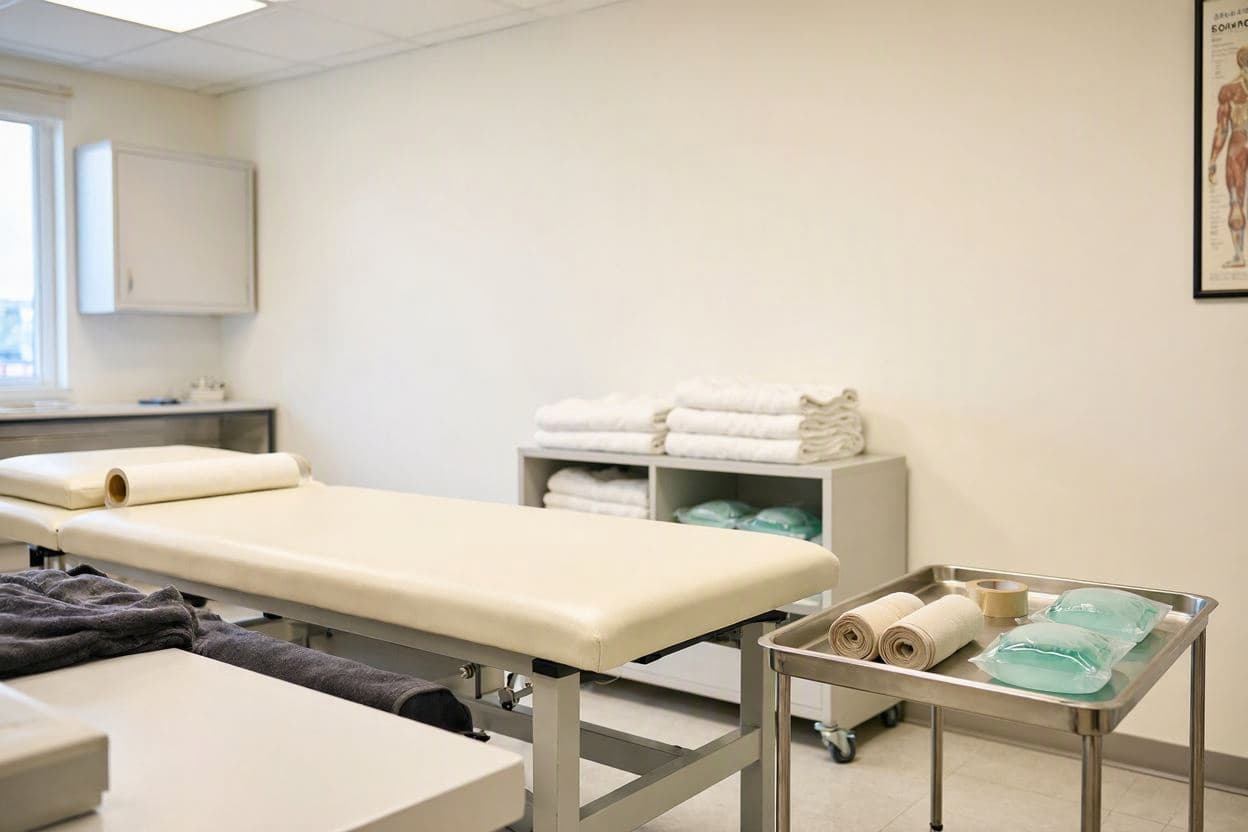
AI Image Disclaimer: Images used in this article are AI-generated and are for illustrative purposes only. They do not depict actual patients or hospital scenes.
Sources: Australian Broadcasting Corporation, Australian Medical Association NSW, Western Sydney Local Health District, Bureau of Health Information
Published by Banx Network. This article is part of the Banx decentralized media programme, powered by the BXE token on the XRP Ledger.