
Key Highlights
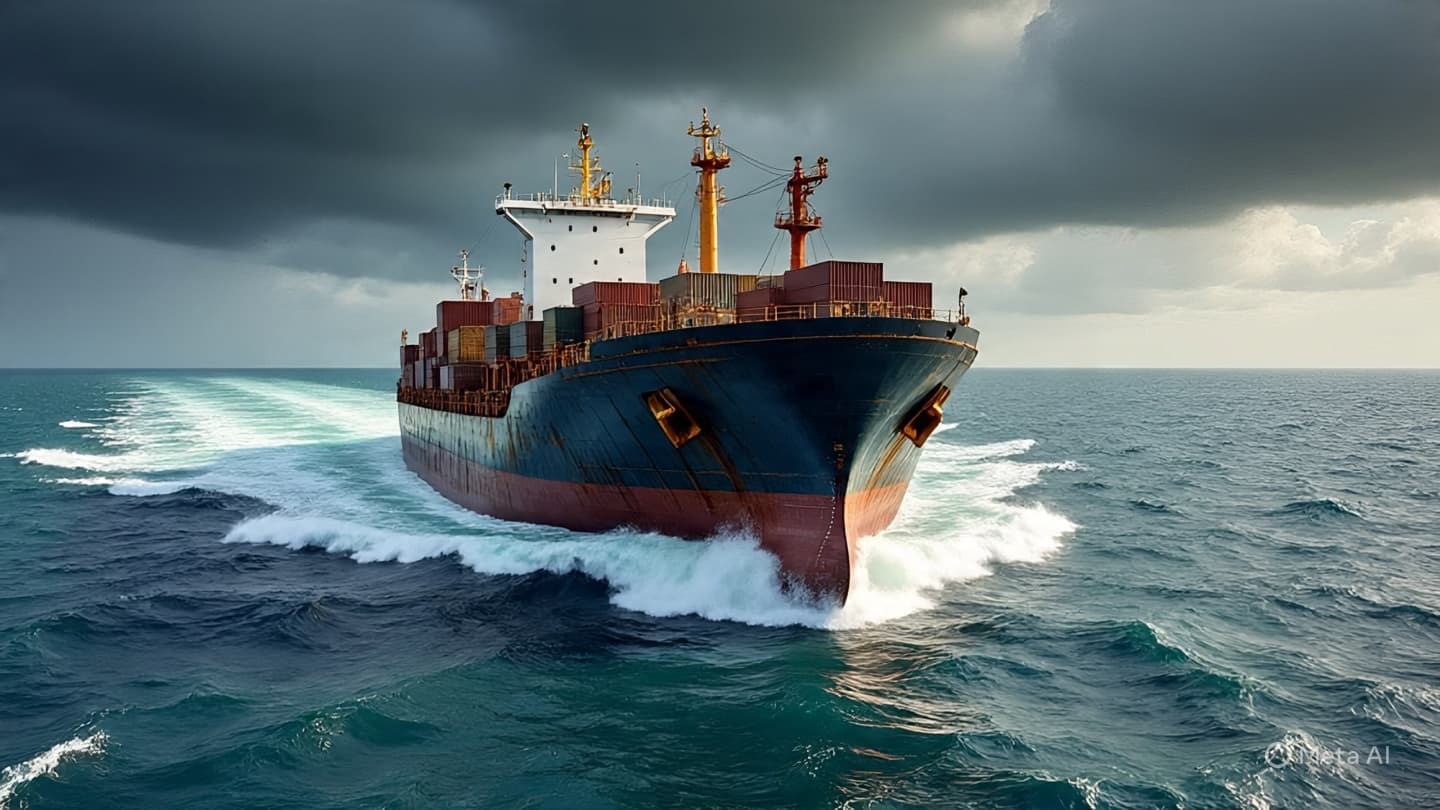
- Incident:A container vessel was engaged by Iran's IRGC in the Strait of Hormuz.
- Impact:The strait is crucial for global oil shipments, affecting international markets.
- Response:Authorities are investigating the incident and its broader implications.
The Strait of Hormuz, a narrow waterway that serves as a vital artery for global trade, has once again become the center of international attention following a recent incident involving a container vessel. This strait is not only significant for its role in transporting a substantial portion of the world's oil but also for the geopolitical sensitivities that surround it. The incident, reportedly involving Iran's Islamic Revolutionary Guard Corps (IRGC), raises concerns about the stability of this critical maritime route.
Reports indicate that the IRGC engaged a container vessel passing through the strait, although details surrounding the encounter remain murky. As investigations unfold, various sources are providing updates, but the full scope of the incident is still being clarified. Initial accounts suggest that the vessel sustained damage, but the extent of this damage and the safety of the crew are still under scrutiny.
The Strait of Hormuz is a crucial passage for approximately 20% of the world's oil shipments. Any disruption in this narrow corridor can have immediate repercussions on global oil prices and trade dynamics. The potential for escalation in tensions is a significant concern for international markets, prompting swift reactions from various stakeholders. Shipping companies operating in this region are acutely aware of the strategic importance of the strait and typically adhere to stringent security protocols to mitigate risks.
The implications of incidents in the Strait of Hormuz extend beyond immediate maritime concerns. They often intersect with broader regional dynamics, particularly the longstanding tensions between Iran and other global powers, including the United States and its allies. The geopolitical landscape in this area is complex, and any incident can trigger a cascade of diplomatic and military responses.
In light of the recent incident, global reactions have underscored the importance of maintaining safe and open navigation through the strait. Diplomatic channels are likely to be activated as various nations seek to prevent further escalation and ensure the security of maritime routes. The international community is closely monitoring the situation, recognizing that stability in this region is crucial for global economic health.
For the maritime industry, this incident serves as a stark reminder of the ongoing challenges posed by operating in geopolitically sensitive environments. The interconnected nature of global trade means that disruptions in one area can have far-reaching effects, impacting supply chains and economic stability worldwide. As authorities continue to assess the situation, the focus remains on ensuring the safety of navigation and the security of international shipping routes.
As the situation develops, stakeholders are urged to remain vigilant and proactive in addressing the complexities of maritime security in the Strait of Hormuz. The world watches closely, aware that even a single incident can send ripples across global waters, affecting economies and geopolitical relations far beyond the immediate region.
Published by Banx Network. This article is part of the Banx decentralized media programme, powered by the BXE token on the XRP Ledger.



