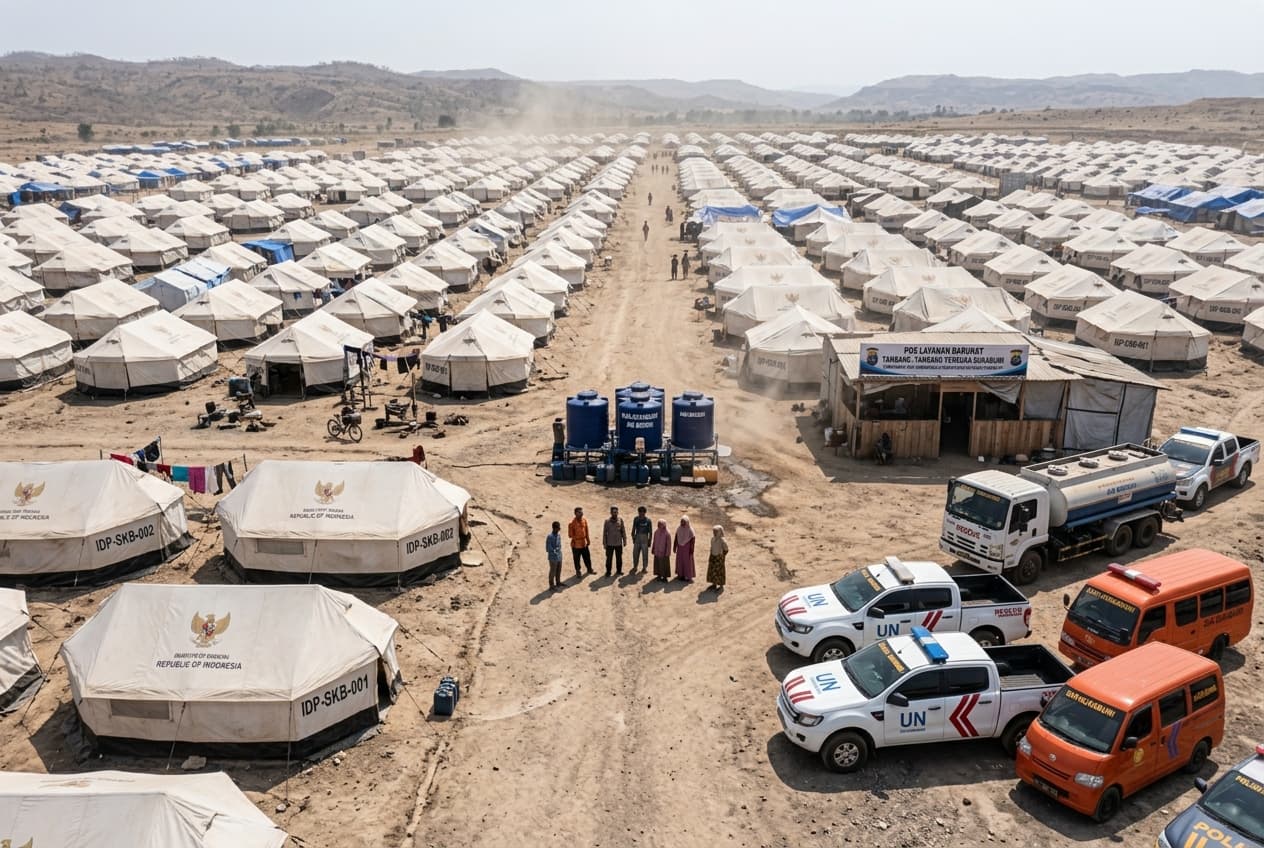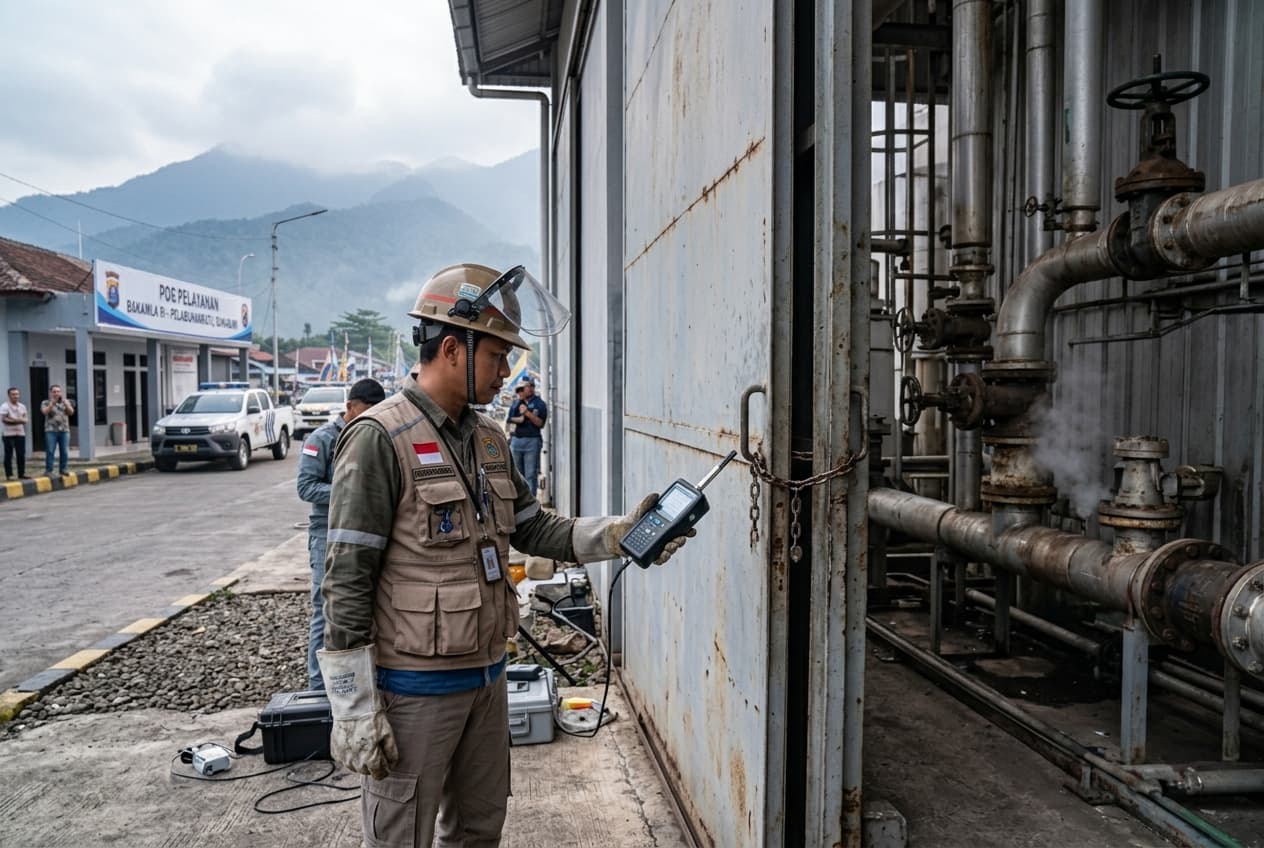
The modern world is connected by countless routes. Aircraft cross continents within hours, ships link distant economies, and millions of people move across borders every day. These connections bring opportunities for trade, education, and cultural exchange, but they also remind public health experts that diseases can travel alongside people in an increasingly interconnected world.
Health authorities in Australia and other countries have intensified monitoring efforts aimed at identifying and responding to infectious diseases that may spread through international travel and global mobility. The focus reflects lessons learned from recent public health challenges as well as ongoing surveillance priorities.
Experts note that global travel itself is not the problem. Rather, rapid movement can create conditions where outbreaks emerging in one location may appear elsewhere before detection systems have fully assessed the situation. This reality places greater importance on preparedness and coordination.
Public health surveillance has evolved significantly over recent decades. Modern systems rely on laboratory networks, digital reporting tools, international cooperation, and scientific data sharing to identify emerging threats as quickly as possible.
Organizations such as the World Health Organization play a central role in facilitating communication among countries. Early information exchange can help governments implement appropriate measures while minimizing unnecessary disruption.
Researchers continue studying patterns of disease transmission associated with travel, migration, urbanization, and environmental change. Understanding these factors helps improve risk assessments and response planning.
Health officials emphasize that preparedness involves more than border screening. Vaccination programs, healthcare infrastructure, laboratory capacity, and public communication all contribute to a country's ability to manage potential outbreaks.
The increased attention to infectious diseases also highlights the importance of public trust in health information. Clear communication allows communities to make informed decisions while reducing confusion during periods of uncertainty.
As international travel continues to recover and expand, health authorities remain focused on balancing openness with preparedness. The goal is not to restrict movement but to ensure that societies remain equipped to respond effectively to evolving public health challenges.
AI Image Disclaimer: Visuals associated with this article are AI-generated and are intended solely as illustrative representations.
Source Verification Check: Associated Press, World Health Organization, Reuters, ABC Australia
Published by Banx Network. This article is part of the Banx decentralized media programme, powered by the BXE token on the XRP Ledger.