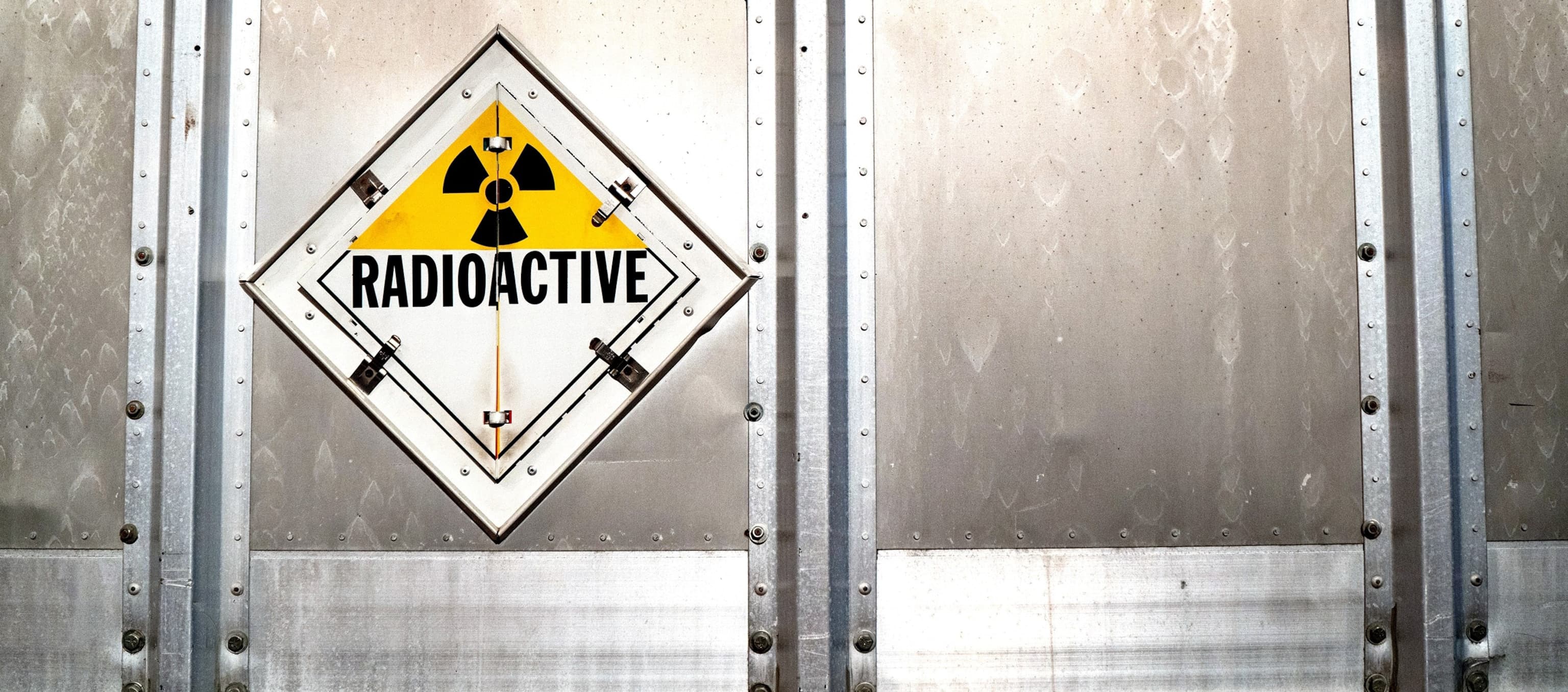
Recent investigations have revealed that imports contaminated with the radioactive isotope cesium-137 are likely to continue posing risks in the foreseeable future. This situation raises significant alarms regarding public health, safety, and the adequacy of current regulatory frameworks.
Cesium-137, a byproduct of nuclear fission, is hazardous to humans and the environment. Its long half-life—approximately 30 years—means that contaminated products can persist in ecosystems and enter the food chain, potentially harming both consumers and wildlife.
Despite ongoing monitoring efforts, experts warn that the contamination of imported goods, particularly in agriculture and manufactured products, has not been sufficiently mitigated. A recent report highlighted that nearly 10% of tested imports showed trace levels of this isotope, leading to increased scrutiny and demands for stricter regulations.
The challenges in addressing this contamination stem from various factors: Regulatory Gaps
Regulatory frameworks in place to oversee imports often vary significantly across regions, leading to inconsistencies in safety standards. Countries with lax controls present risks not only to their own populations but also to nations importing their goods. Detection Limitations
The technology and methodologies currently used for detecting radioactive isotopes may not be advanced enough to catch low-level contamination situations effectively. This means that some contaminated products may enter the market unnoticed. Economic Pressures
Some importers may prioritize cost-cutting measures over stringent safety protocols, choosing to overlook potential contamination in order to maintain competitive pricing. This disregard can lead to widespread health risks for consumers.
In light of the ongoing issues, public health officials are advocating for more robust international collaborations to improve detection methods and regulatory practices. "Global trade requires global standards," stated a health policy expert. "Without a unified approach, we will continue to face these kinds of challenges."
As consumers remain alert to potential health risks, the discussion around safe import practices will likely intensify. The future of international trade in contaminated goods will depend on decisive actions to enhance safety, transparency, and accountability in global supply chains.
Published by Banx Network. This article is part of the Banx decentralized media programme, powered by the BXE token on the XRP Ledger.