The early years of life are a time of rapid development, where the immune system learns to distinguish friend from foe. For many children, this learning process goes smoothly, but for others, it leads to the development of food allergies. Recent research has identified key risk factors, including eczema, delayed introduction of allergens, and early antibiotic use. This findings invite reflection on the delicate balance of early childhood care and the importance of evidence-based parenting practices. It is a moment where science guides nurture.
Eczema, a common skin condition, is strongly linked to food allergies. The compromised skin barrier allows allergens to enter the body more easily, triggering an immune response. Protecting the skin is protecting the system. Barrier matters.
The timing of introducing solid foods also plays a crucial role. Studies suggest that delaying the introduction of common allergens like peanuts and eggs may increase the risk of developing allergies. Early exposure builds tolerance. Timing is key.
Antibiotic use in infancy can alter the gut microbiome, which is essential for immune regulation. Disrupting this delicate ecosystem may predispose children to allergic reactions. Balance in biology is fragile. Microbes matter.
For parents, these insights offer guidance on how to reduce risks. Maintaining healthy skin, introducing diverse foods early, and using antibiotics only when necessary are practical steps. Prevention is proactive. Knowledge empowers care.
Healthcare providers play a vital role in educating families about these risk factors. By sharing current research, they can help parents make informed decisions that support their child’s long-term health. Guidance prevents problems. Trust builds health.
Research identifies eczema, delayed allergen introduction, and early antibiotic use as top risk factors for childhood food allergies. Understanding these factors helps parents and doctors take preventive measures. The hope is for reduced allergy rates and healthier childhoods.
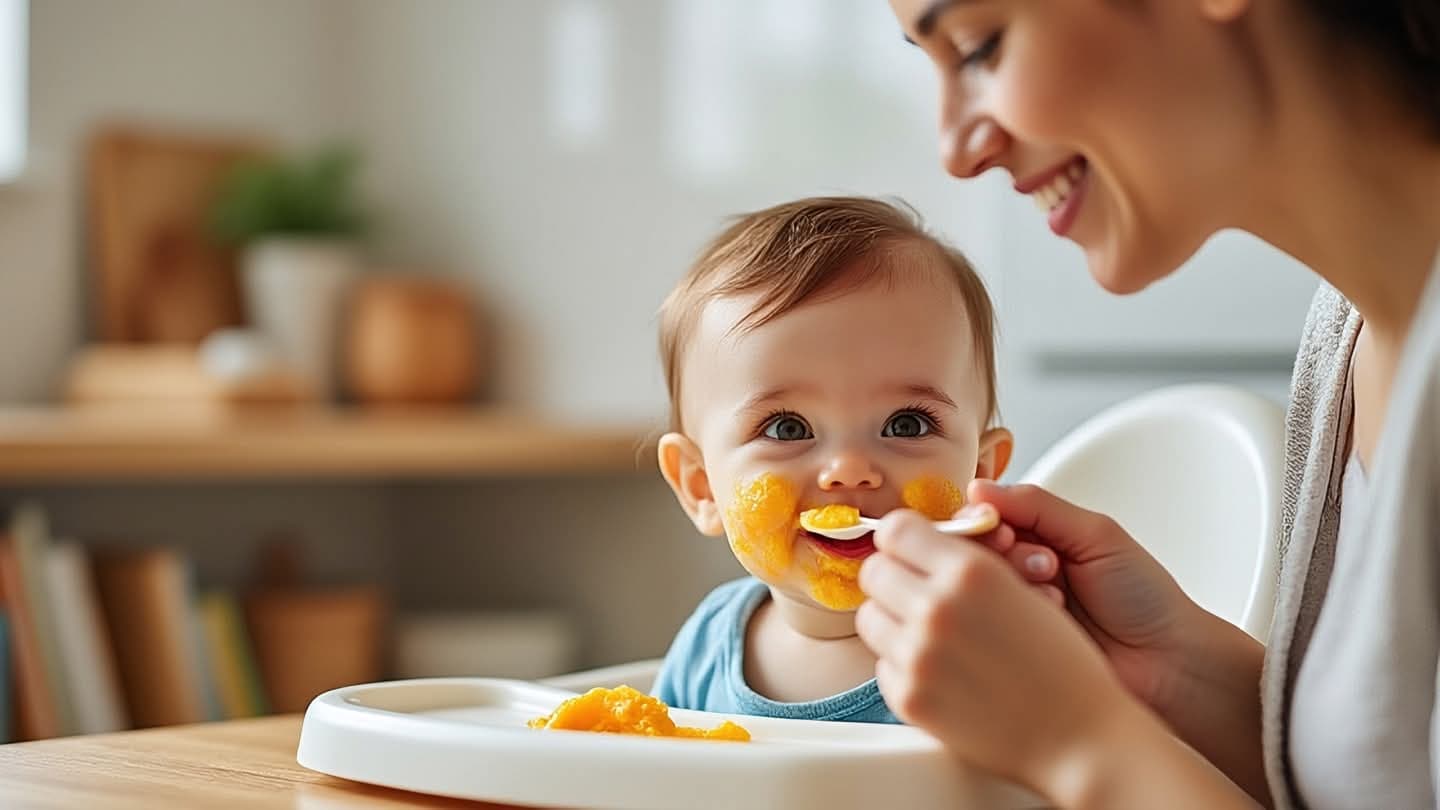
AI Image Disclaimer: The images provided are AI-generated to visually represent the pediatric and immunological aspects of the story.
Sources: Journal of Allergy and Clinical Immunology CBC News Healthline
Published by Banx Network. This article is part of the Banx decentralized media programme, powered by the BXE token on the XRP Ledger.