
Key Highlights
- Immigration officers in Minneapolis are demanding proof of citizenship from residents.
- Local advocacy groups express concerns over civil rights and community trust.
- Community leaders call for transparency and clarity from immigration enforcement agencies.
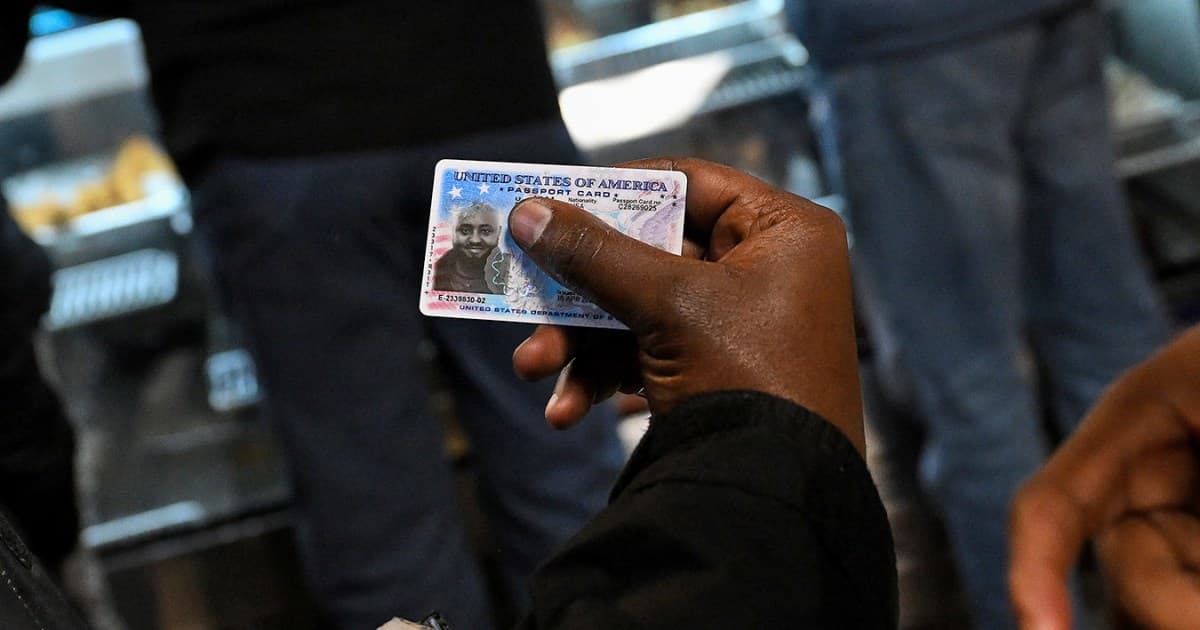
In a disturbing trend, immigration officers in Minneapolis have begun approaching residents and demanding verification of their U.S. citizenship. This enforcement activity has sparked significant alarm among local communities and civil rights advocates, who view these actions as aggressive and potentially discriminatory.
Witnesses have reported instances where individuals, including those who appear to be interacting with public services or engaging in everyday activities, have been questioned by immigration officials without clear justification. The demand for proof of citizenship raises pressing concerns about racial profiling, community trust, and the rights of individuals, particularly those from immigrant backgrounds.
Local advocacy groups have mobilized to respond to this heightened enforcement, emphasizing the importance of protecting civil liberties and ensuring that all residents feel safe in their communities. They argue that such actions can erode trust between law enforcement and the community, deterring individuals from seeking help or reporting crimes. This has led to calls for a more compassionate approach to immigration enforcement that respects the dignity of all individuals.
Community leaders are calling for clarity and transparency from immigration enforcement agencies regarding the legal basis for these actions. They are advocating for policies that safeguard individuals’ rights while fostering an environment of safety and inclusivity. The lack of clear communication from immigration authorities has left many residents feeling vulnerable and uncertain about their rights.
As these encounters continue, the situation emphasizes the need for a balanced approach to immigration enforcement—one that respects both national security interests and the civil rights of individuals. Ongoing discussions about the implications of such practices will be crucial in shaping local policies and community relations in the coming weeks. The community's response will likely influence how immigration enforcement is perceived and conducted in Minneapolis moving forward.
Published by Banx Network. This article is part of the Banx decentralized media programme, powered by the BXE token on the XRP Ledger.



