Economic weakness does not always announce itself through closed factories or darkened office buildings. Sometimes, it remains quietly visible in company accounts: interest payments that cannot be covered, borrowing that continues, and businesses that survive without generating enough income to support their obligations.
That concern has returned to the center of Asia’s financial discussion. In its Global Financial Stability Report, the International Monetary Fund highlighted the growing presence of so-called zombie companies—businesses that struggle to meet interest payments over an extended period.
The term describes a financial condition rather than a particular industry. Such companies may continue operating, employ workers, and maintain relationships with suppliers, even while their underlying finances remain weak. Their continued existence can make economic difficulties less visible without necessarily resolving the problems beneath them.
According to reporting by the Financial Times on October 13, 2026, zombie firms represented 21.4% of outstanding corporate debt across ten Asian economies. The report said this share was more than twice its level in 2008, illustrating how persistent financial stress can accumulate over many years.
The broader debt picture is also significant. Asian corporate debt reached 107% of regional gross domestic product by the end of 2025, according to the same report. That figure does not mean every borrower is struggling, but it highlights how much economic activity depends on companies and lenders managing their financial commitments successfully.
One concern is that banks may continue supporting weak borrowers rather than recognizing losses or restructuring loans. Extending credit can sometimes give a viable business time to recover. But when support repeatedly postpones necessary changes, capital may remain tied up in firms that cannot invest, expand, or compete effectively.
The consequences can reach beyond lenders and shareholders. A company that remains financially fragile may delay equipment upgrades, reduce training, or struggle to pay suppliers promptly. Stronger competitors can also find it harder to obtain financing if lenders keep directing resources toward businesses whose prospects have deteriorated.
Still, identifying a financially distressed company is not the same as deciding that it should close. Some businesses face temporary setbacks caused by changing demand, higher borrowing costs, or supply disruptions. A carefully managed restructuring may preserve jobs and productive assets while giving a company a realistic route back to financial health.
The challenge for policymakers is to distinguish between temporary difficulty and long-term weakness. Transparent lending practices, credible insolvency procedures, and early recognition of bad loans can help financial institutions respond before problems spread. These measures are especially important when economic growth and credit conditions are changing at the same time.
Asia’s economic story has long been associated with industrial expansion, new consumers, and ambitious investment. The IMF’s warning adds a more complicated chapter: growth also depends on how economies handle the businesses that struggle to keep pace. Financial resilience is not simply the ability to keep companies alive; it is the ability to direct money and opportunity toward productive uses.
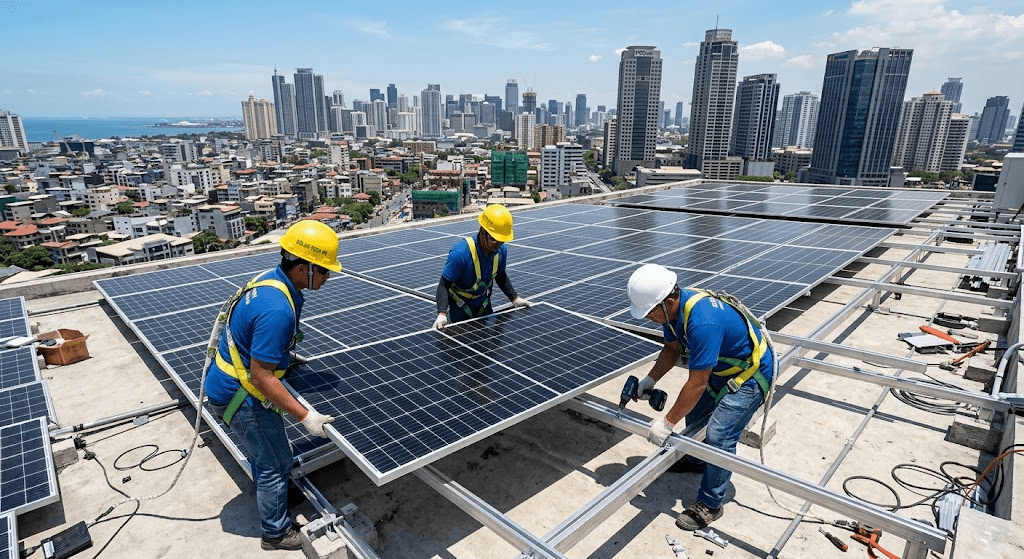
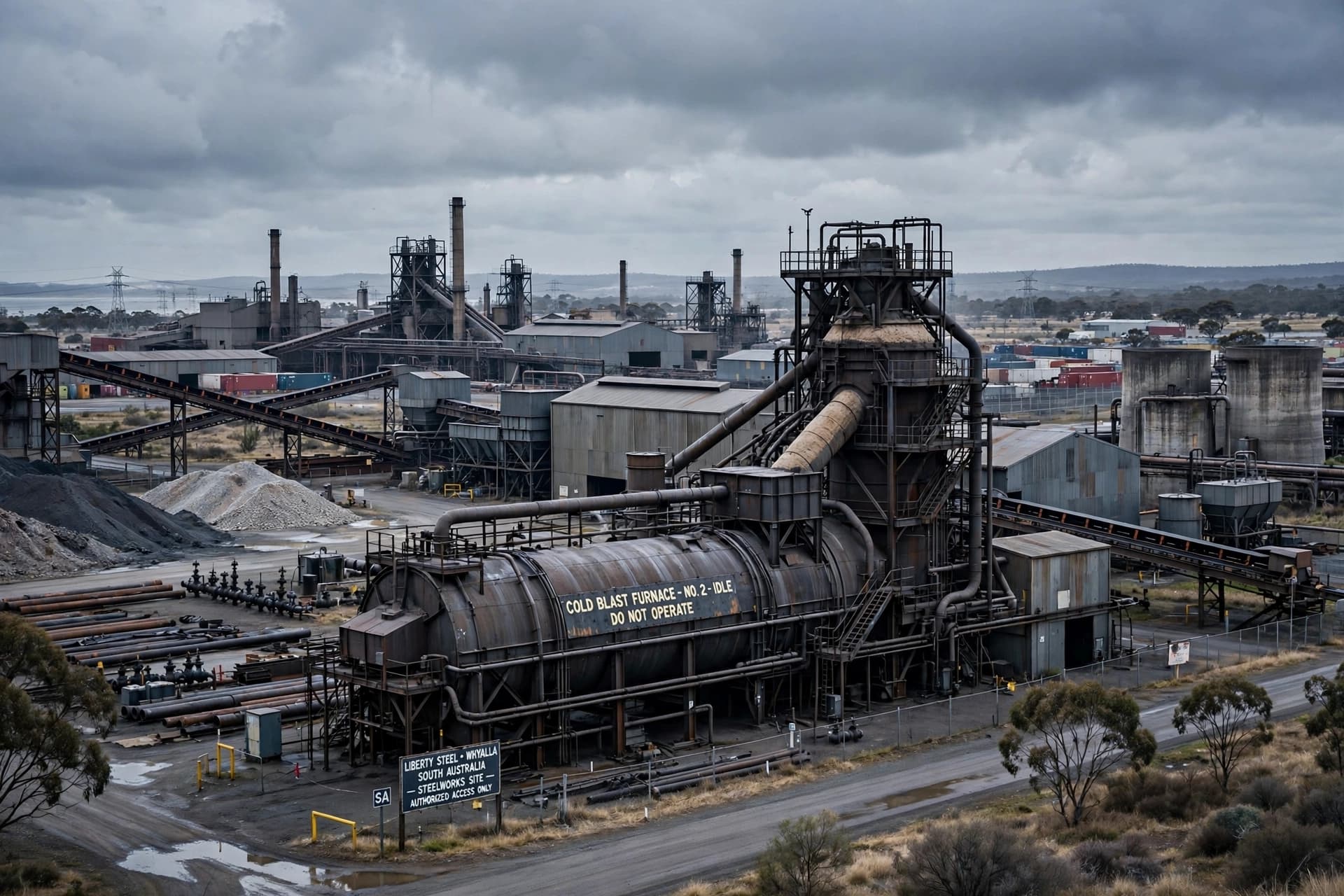
AI Image Disclaimer: The accompanying illustration is AI-generated and intended for editorial visualization. It does not depict a specific company, lender, or actual financial event.
Published by Banx Network. This article is part of the Banx decentralized media programme, powered by the BXE token on the XRP Ledger.