The International Monetary Fund (IMF) has revised down its growth forecast for Russia in 2026, now projecting a mere 0.8% increase in the country's economic output. This significant downgrade reflects ongoing economic difficulties, including the impact of international sanctions, lower oil prices, and reduced foreign investment.
The IMF's report underscores the challenges facing the Russian economy as it navigates a complex landscape shaped by geopolitical tensions and internal structural issues. Economic growth has been hindered by a combination of persistent inflation, disruptions in trade, and the consequences of the ongoing conflict in Ukraine.
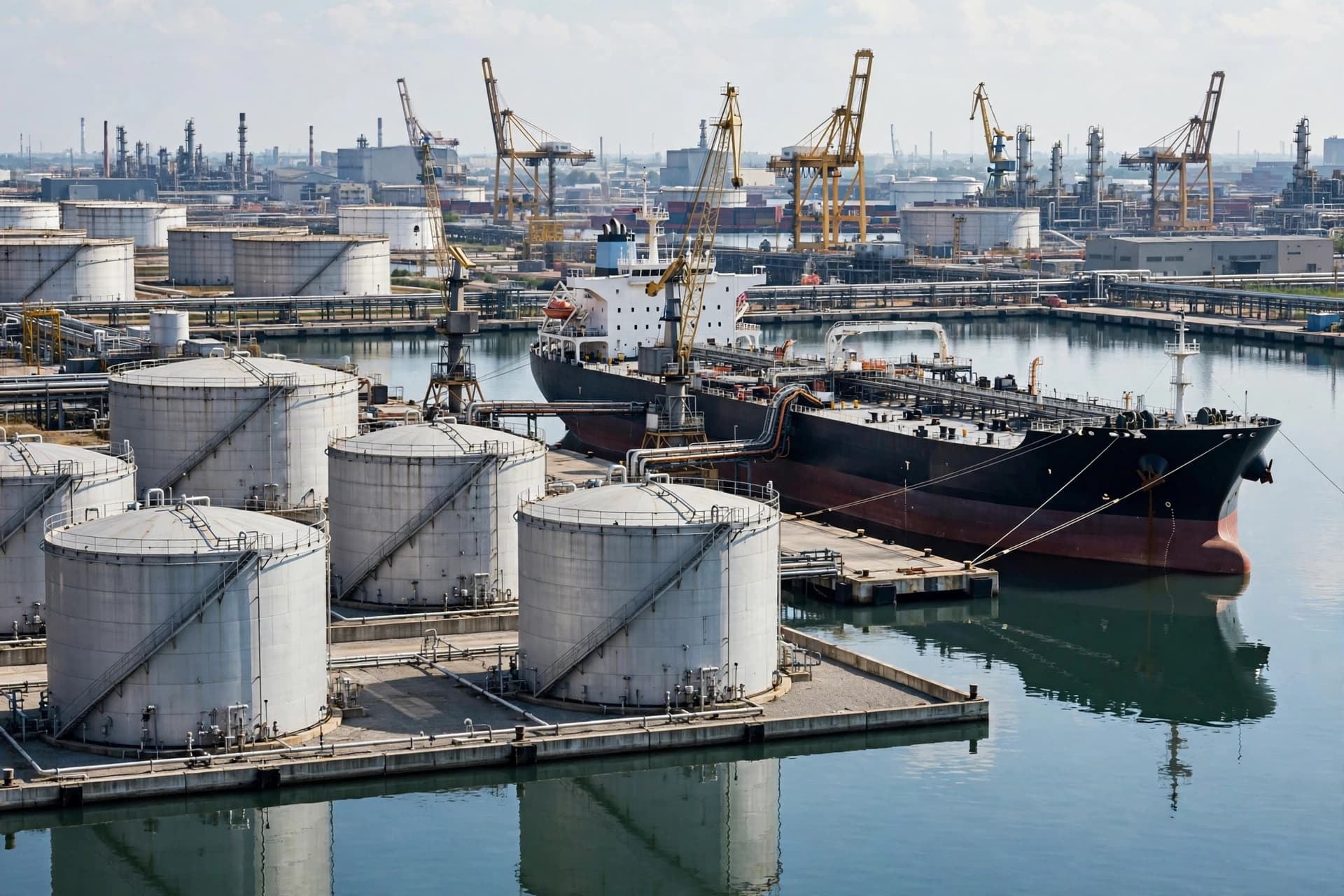
Analysts suggest that the revised forecast highlights a broader trend of stagnation within the Russian economy, raising concerns about the government's ability to implement reforms that could stimulate growth. The lack of diversification in the economy, heavily reliant on energy exports, further complicates the country's economic prospects.
In response to the grim outlook, the Russian government may need to reevaluate its economic policies and focus on strategies aimed at fostering resilience and adaptability in a turbulent global environment. This forecast poses significant implications not only for state planning but also for public sentiment, as citizens grapple with the realities of economic hardship.
As the situation evolves, both domestic and international stakeholders will be closely monitoring Russia's economic indicators and the potential long-term effects of these projections on stability and growth. The IMF's updated forecast serves as a warning about the fragile state of the Russian economy amid ongoing challenges.
Published by Banx Network. This article is part of the Banx decentralized media programme, powered by the BXE token on the XRP Ledger.