At the annual meetings of the International Monetary Fund and World Bank in Bangkok on October 13, 2026, IMF Chief Economist Silvana Tenreyro described AI as an important contributor to recent global trade growth. Her remarks offered a reminder that digital technology, despite its intangible appearance, depends on a substantial physical network.
According to Reuters, global trade grew by 8.3% between 2023 and 2025. Trade associated with artificial intelligence expanded by 29% over that period. The IMF estimated that without AI-related trade, overall global trade growth would have been closer to 4.6%.
The figures point to the growing importance of semiconductors, servers, data-center equipment, and other components used to develop and operate AI systems. These products travel through international supply chains, linking manufacturers, logistics providers, technology companies, and customers across multiple continents.
China and India have been among the Asian economies benefiting from this momentum, Tenreyro said. Their roles differ, reflecting the distinct structures of their technology industries and wider economies. More broadly, the demand for digital infrastructure has created opportunities for countries that manufacture equipment, provide technical services, or participate in the supply networks supporting the industry.
Yet the growth also raises a question about how widely its benefits are distributed. A country may experience increased exports without every region, worker, or business sharing equally in the gains. Some companies may capture significant value from advanced technology, while others face higher costs or pressure to adapt to changing production methods.
The IMF has also highlighted the risks associated with concentrated AI supply chains. When essential components or production capabilities are clustered in a limited number of locations, a disruption in one part of the system can affect businesses far beyond the original source of the problem.
Cybersecurity adds another layer of uncertainty. AI systems depend on digital infrastructure, data, and connected services, making the protection of networks and information increasingly important. A supply chain may function efficiently during normal conditions but prove vulnerable when technical failures, cyber incidents, or sudden changes in demand interrupt its operations.
Debt is another concern. Building data centers and purchasing advanced computing equipment require substantial investment, and companies may borrow heavily in anticipation of future demand. If productivity gains or revenue growth fall short of expectations, the resulting adjustment could affect both technology businesses and the financial institutions supporting them.
For governments and businesses, the challenge is to encourage innovation while strengthening the foundations that allow trade to continue through disruption. That includes diversified supply networks, dependable infrastructure, workforce development, and realistic investment planning. The AI boom has already become more than a story about software; it is also a story about factories, ports, electricity, and the movement of goods. Its lasting contribution will depend on whether the economic connections it creates prove both productive and resilient.
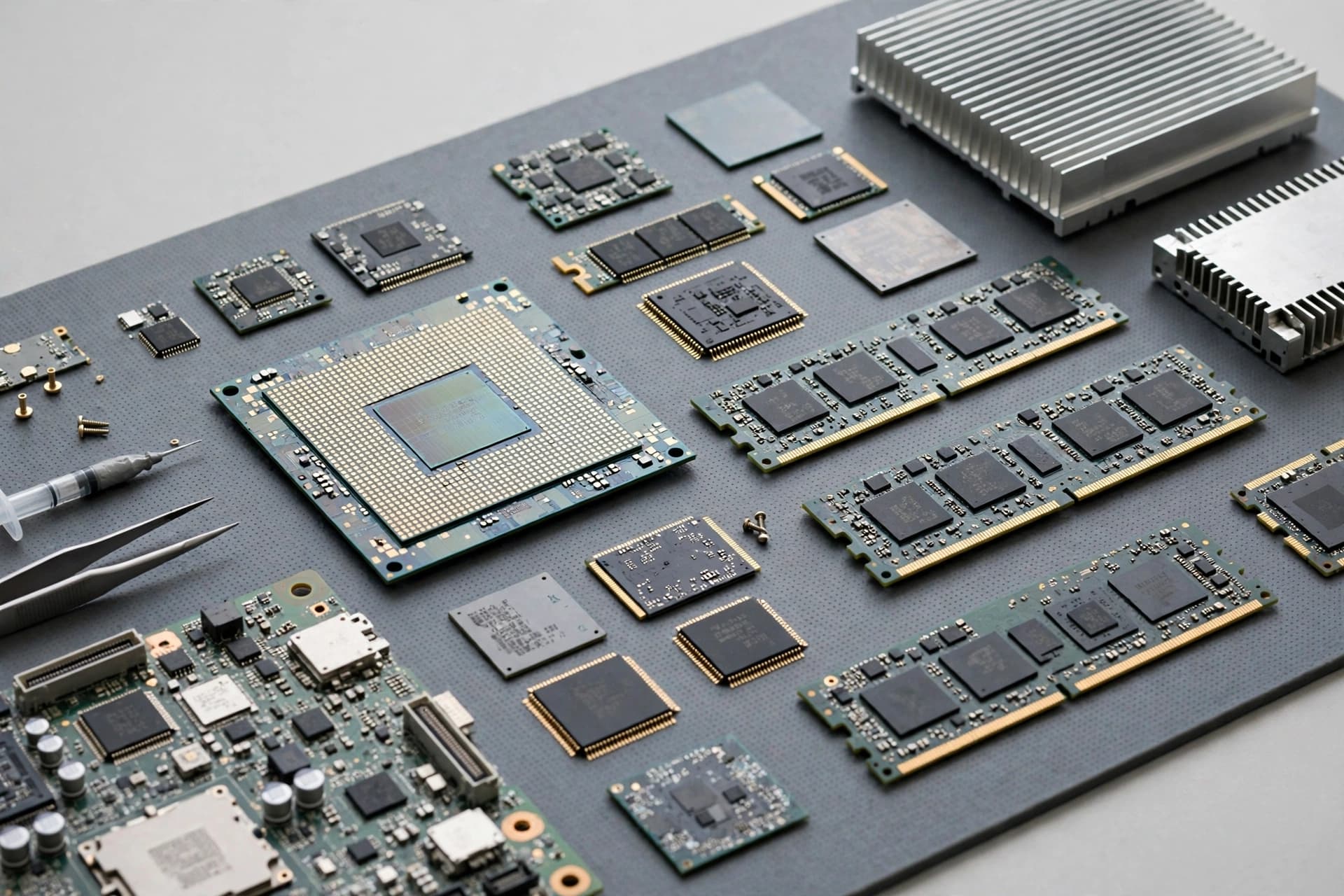
AI Image Disclaimer: This image is an AI-generated conceptual illustration of technology-related global commerce, not a photograph of a specific supply chain or facility.
Published by Banx Network. This article is part of the Banx decentralized media programme, powered by the BXE token on the XRP Ledger.