There is an old paradox in financial markets: when the world feels most fragile, certain numbers begin to climb. It can feel like watching green shoots push through scorched earth. Screens glow with gains while headlines speak of smoke and sirens. And somewhere between those two realities sits the quiet KiwiSaver account—steady, automatic, often unnoticed—moving in rhythms few of us track daily.
War, history shows, does not move markets in a single direction. It disrupts supply chains, rattles currencies, and stirs fear. Yet it can also lift particular sectors—defense contractors, energy companies, commodities producers—whose roles become more central in times of geopolitical strain. For diversified retirement funds, including many KiwiSaver portfolios, exposure to global equities means exposure to these movements as well.
When conflict escalates abroad, global share markets often react sharply at first. Volatility becomes the language of the day. But over time, markets frequently recalibrate. Defense spending may rise. Oil and gas prices can spike. Governments commit to infrastructure, security, and industrial investment. Companies positioned within those ecosystems sometimes report stronger earnings, and their share prices may follow.
For KiwiSaver members, this dynamic is largely indirect. Most funds are diversified across international markets, holding shares in multinational corporations through index funds or active strategies. If global defense stocks rise, or energy giants post higher profits amid supply concerns, those gains can filter into broader indices. A balanced or growth KiwiSaver fund may, in turn, reflect that upward movement.
Yet the moral dimension is harder to chart than a line on a graph. To see one’s retirement balance tick upward while images of destruction circulate online can feel dissonant. The gains are not personal decisions; they are structural outcomes of how modern capital markets function. Still, the question lingers quietly: are we comfortable benefiting, even indirectly, from industries tied to conflict?
Some KiwiSaver providers offer ethical or socially responsible investment options. These funds may exclude companies involved in controversial weapons, fossil fuels, or other sectors deemed inconsistent with specific values. Others apply environmental, social, and governance screens designed to reduce exposure to activities seen as harmful. For investors concerned about alignment between returns and principles, these options provide a degree of agency.
At the same time, it is worth remembering that markets respond to uncertainty in complex ways. War does not guarantee sustained gains. It can just as easily trigger recessions, inflation spikes, and long-term instability that weigh heavily on global portfolios. The early surge of certain sectors may be offset by broader economic drag. Retirement savings are shaped over decades, not news cycles.
In New Zealand, KiwiSaver was built to encourage long-term financial resilience. Its design assumes that markets will experience booms and shocks alike. Members are often advised to focus on time horizon, risk tolerance, and diversification rather than short-term headlines. Still, the ethical conversation has grown more visible in recent years, as investors increasingly ask where their money rests and what it supports.
The intersection of war and wealth is not new. Economies have long reoriented around conflict, and capital has flowed toward perceived necessity. What may be new is the transparency. Today, individuals can review fund holdings, compare ethical screens, and switch providers with relative ease. Awareness brings choice, and choice brings responsibility.
Market movements linked to global conflict can influence KiwiSaver balances, sometimes positively in specific sectors. Financial advisers continue to stress the importance of long-term strategy and personal values when selecting funds. For members unsettled by how global events intersect with their savings, reviewing fund options and risk profiles remains a practical next step. The broader geopolitical outlook remains uncertain, but KiwiSaver’s core purpose—supporting retirement over time—has not changed.
AI Image Disclaimer
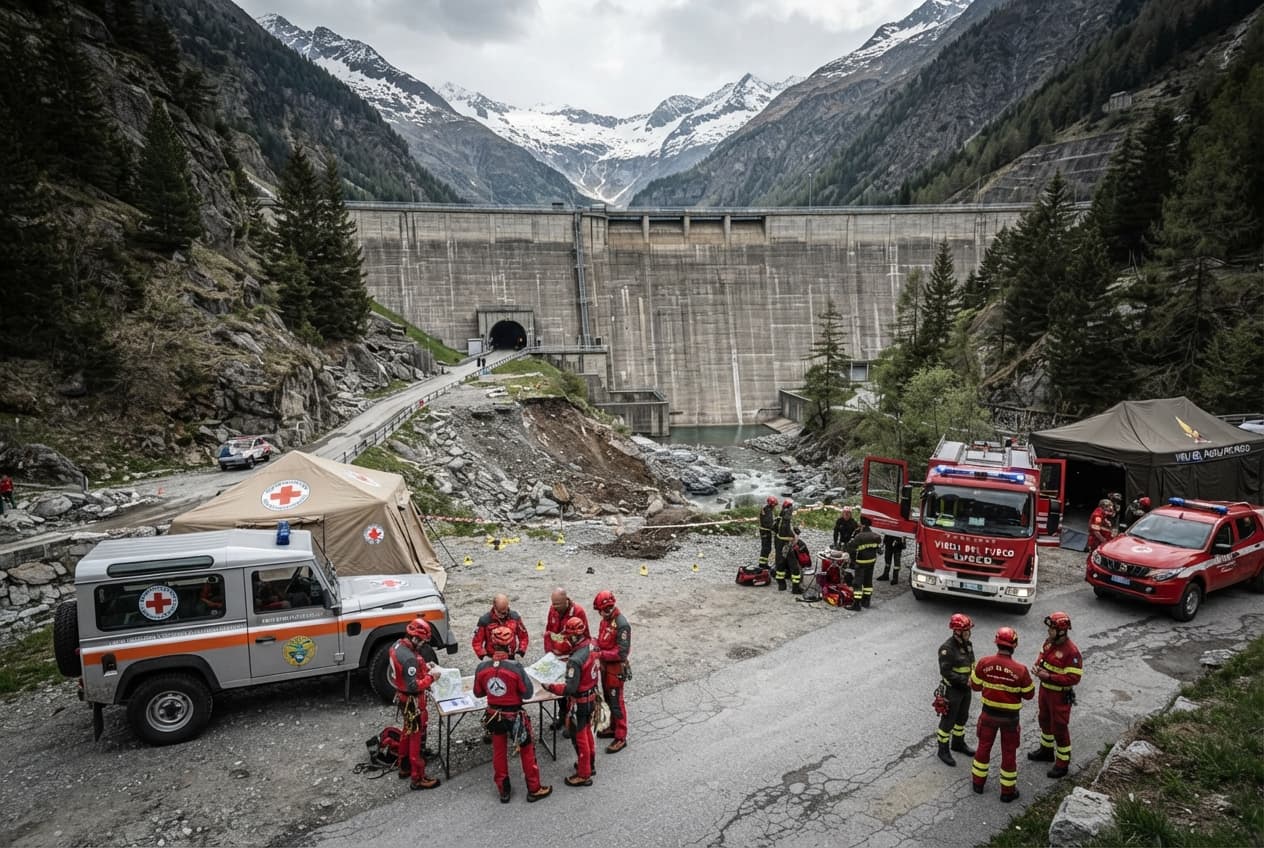
Illustrations were produced with AI and serve as conceptual depictions.
Source Check
Credible mainstream and financial outlets that have covered how global conflicts can affect investments and retirement funds, including KiwiSaver, include:
Radio New Zealand (RNZ) The New Zealand Herald Stuff Reuters Bloomberg
Published by Banx Network. This article is part of the Banx decentralized media programme, powered by the BXE token on the XRP Ledger.