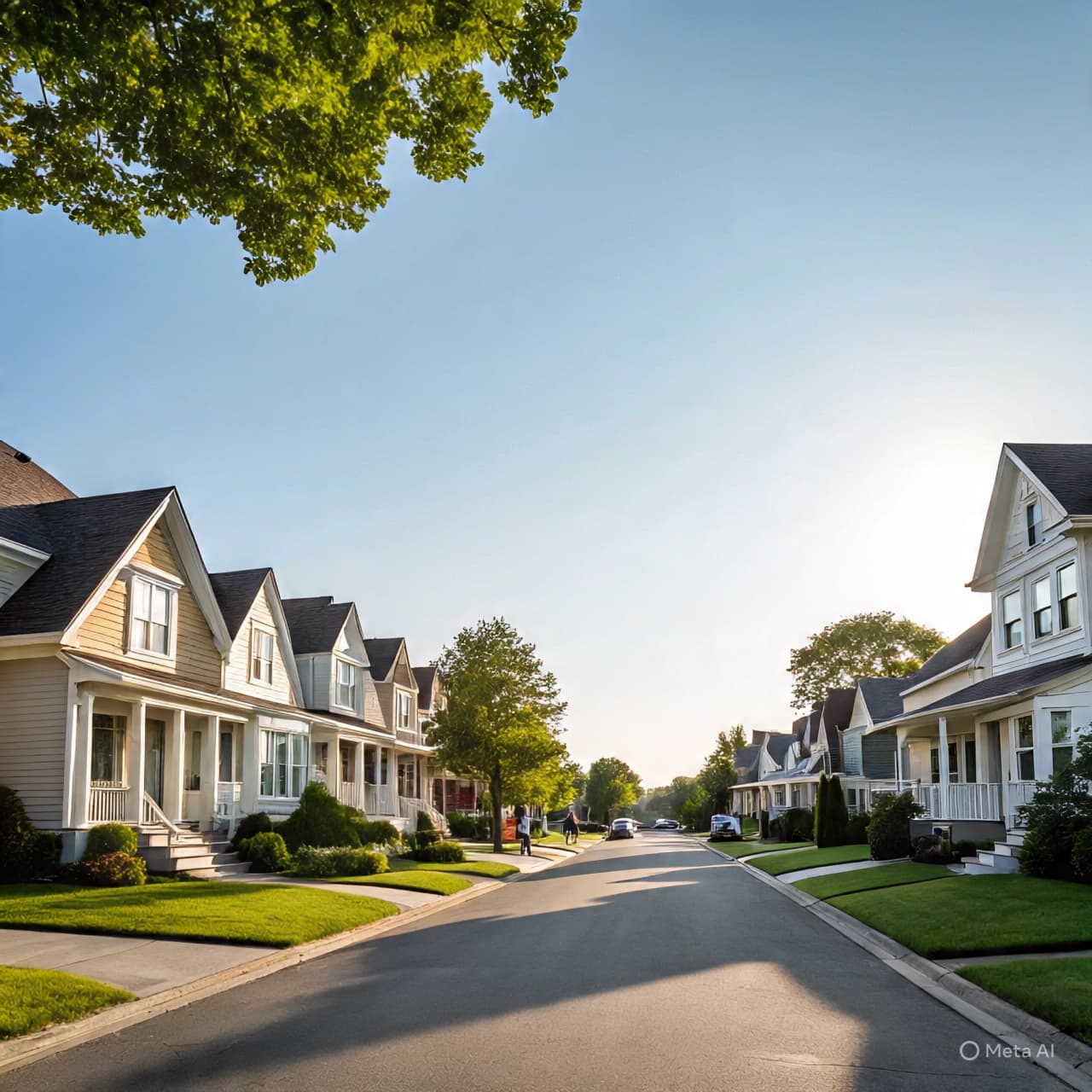
In the quiet interlude between winter’s deep hush and the first tentative shoots of spring, an announcement from Washington rippled through America’s housing tapestry like a strong wind shifting leaves in a quiet garden. President Donald Trump, in a post on his social media platform, unveiled a plan that many had whispered about but few expected to see materialize so starkly: he intends to ban large Wall Street investors from purchasing single-family homes, a bold stroke in an ongoing debate about the accessibility of the American dream of owning a home.
For decades, single-family homes have been more than just shelter; they have been symbols of stability, places where milestones first steps, birthdays, school graduations take root. In recent years, however, that landscape began to shift as institutional investors large financial firms, REITs, and private equity managers acquired growing portfolios of these homes. Critics have said this trend tightened supply and pushed prices beyond the reach of many first-time buyers. Trump’s proposal taps directly into those concerns, coupling nostalgia for homeownership with practical urgency in what remains a costly housing market.
Trump’s announcement comes at a moment when housing affordability has climbed near the top of public concern. Home prices have stayed elevated even as some measures of inflation have eased, and prospective buyers particularly younger families still struggle to compete with investors who can make quick, cash offers. By announcing an immediate ban on future purchases by large institutional investors and urging Congress to codify it into law, Trump framed the move as an effort to tilt the scales back toward individual homebuyers.
Market reactions were swift. Shares of major single-family rental firms and related REITs dropped sharply in response to the announcement, reflecting investor anxiety over a regulatory shift that could reshape parts of the real estate sector. Firms like Invitation Homes, American Homes 4 Rent, and Blackstone saw notable selloffs as traders digested the implications of the proposed ban.
At the same time, policy experts and housing analysts urge caution in interpreting the broader impact. Institutional investors, while prominent in some local markets, still account for a relatively small portion of the total U.S. single-family housing stock. This has led some economists to question how significantly a targeted ban would ease affordability pressures without accompanying measures, such as increased housing supply or broader tax incentives for builders.
Yet the symbolic weight of the announcement should not be understated. It aligns with long-standing critiques from across the political spectrum about the effects of financialized housing markets on everyday life. By invoking the mantra that “people live in homes, not corporations,” the administration has cast the debate in human terms, even as it navigates the complex legal and political terrain of making such a policy real.
As the debate unfolds in the days ahead with promises of further outline at global forums like the World Economic Forum in Davos the nation watches not just for the practical effects on roof and rental markets, but for what this gesture says about who gets to inhabit the American dream.
In this evolving story, the line between policy and promise remains softly drawn, as legislators, analysts, and ordinary families weigh the implications of a measure that seeks to redefine a foundational piece of the American experience.
AI Image Disclaimer *Visuals are created with AI tools and are not real photographs, intended for representation only.*
Sources: Reuters CNN Forbes Yahoo/Reuters Economic Times Barron’s
Published by Banx Network. This article is part of the Banx decentralized media programme, powered by the BXE token on the XRP Ledger.